This article first appeared in the Mediaplanet Global Resilience campaign, which was published in The New Scientist.
The climate crisis is threatening food security, driving the spread of infectious diseases and stripping women of their rights and livelihoods. The climate-health connection requires action now.
Climate change significantly affects women’s and girls reproductive health, which may surprise many due to the infrequent acknowledgement of this connection. Urgent action is necessary to prevent it from reversing the progress already made.
Climate crisis exacerbates inequities
Climate change is increasing crises such as desertification and floods, impacting local health systems and depleting local resources. “Often, women and girls are impacted most,” says Dr. Tabinda Sarosh, Interim CEO at Pathfinder International. The nonprofit organisation collaborates with local partners in 21 countries to enhance health systems’ resilience, and sexual and reproductive health and rights.
Dr. Sarosh says: “Climate change leads to denial of sexual and reproductive health services and rights, increases food and water insecurity, impacts livelihoods and economic security and worsens existing inequities — in every country where we work.”
Disasters disrupt women’s health
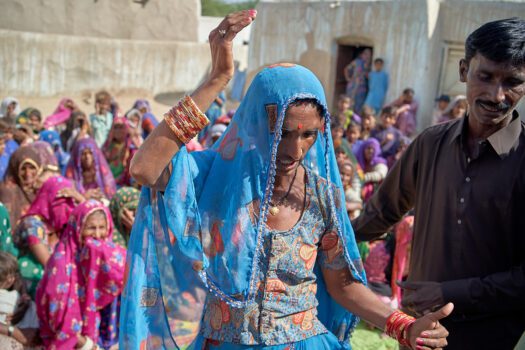
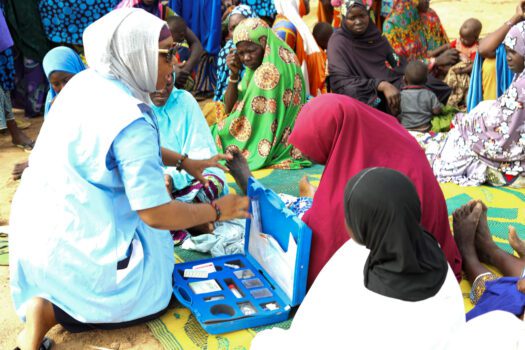
During severe flooding in Pakistan, 625,000 pregnant women were displaced. Around 70,000 of them gave birth in camps in a single month, where delivery conditions are often unsafe. Pathfinder provided safe delivery kits, humanitarian food assistance and counselling on family planning.
Bangladesh is regularly affected by cyclones, and the Government has shelters where communities take refuge. However, in the shelters, women and girls may not have access to the menstrual health products, clean water and privacy they need.
“This is particularly distressing in a culture where menstruation is a taboo subject. Lack of menstrual health products can lead to physical health issues but can also impact mental health, particularly for adolescent girls,” says Dr. Sarosh.
Access to food and water
Climate change may exacerbate food insecurity, especially among women and children. Dr. Sarosh says: “We have worked around Lake Victoria, in Kenya, Tanzania and Uganda, helping women in the fishing industry. We support women as leaders who encourage sustainable fishing practices and entrepreneurs to ensure they aren’t pressured into coercive practices.”
Water management is also essential. Pathfinder International, alongside the Government, is running a pilot project in Egypt to boost eco-friendly water waste management at health clinics, aiming to improve their resilience to extreme heat and water depletion. Simultaneously, Pathfinder works with communities near the clinics to improve awareness about health resources, household resource management and entrepreneurial skills.
We need more health system assessments, but critically, solutions must be evidence-based and locally led.
Dr. Tabinda Sarosh
What can be done?
Health systems must prioritise climate resilience to avoid being overwhelmed. This resilience enhances health outcomes for all, especially women and girls, during crises and in everyday situations. This means:
Action must be local
“We need more health system assessments, but critically, solutions must be evidence-based and locally led,” says Dr. Sarosh. The resilience and preparedness of health systems must be assessed in relation to local climate threats. As of 2021, only 27% of countries had conducted climate-resilience assessments of health facilities.

Community engagement is essential
To manage climate change adaptation,early warning systems, dissemination of critical information, as well as integrated climate, health and livelihood activities are crucial. Technology may help. For instance, in some communities, digital applications can quickly connect individuals to social safety nets and resources for climate resilience and education.
Empower women in climate policy
The leadership and development of women and young people is vital, to enhance their participation, voice and agency in climate actions and decision-making. Meanwhile, health and gender considerations must be at the forefront of climate policies.
Dr. Sarosh says: “COP28 in 2023 was the first to deeply examine the impact of climate change on health. This means more leaders will be renewing country action plans on health, which is good news for women and girls.” Such awareness and action can enhance outcomes for women and girls while mitigating the climate crisis’s impact on their wellbeing.