
At Pathfinder, we stand with government and partners in advancing access to voluntary contraception, working together to build healthier families, stronger communities, and a more prosperous Uganda.
Every year, on World Contraception Day, we come together to affirm a simple truth: a woman’s ability to decide if, when, and how many children she wants to have is critical to her health, well-being, prosperity, and control over her future.
At Pathfinder, we work with women and their communities to design solutions that improve women’s health, resilience, agency, and leadership. Access to contraception remains a core part of giving every woman the chance to reach her full potential.
And contraception saves lives. It prevents maternal deaths, strengthens families, and fuels the progress that communities everywhere dream of.
Co-creating for contraceptive access
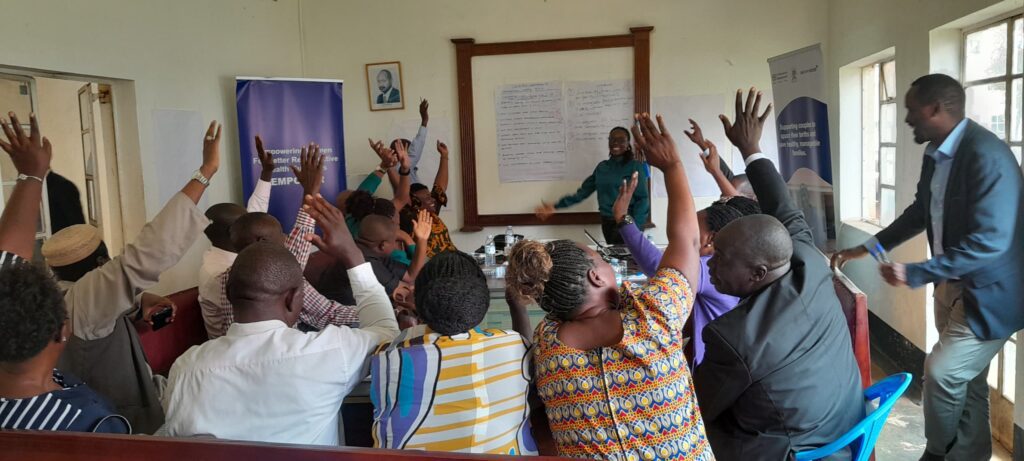
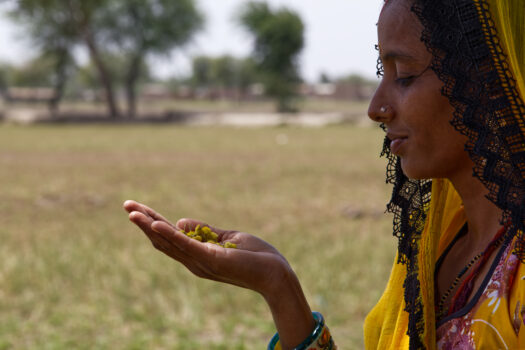
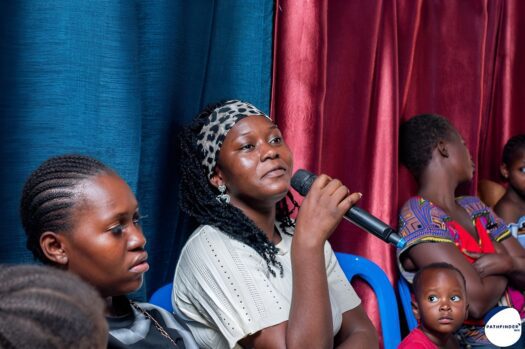
A mother in Buliisa District participates in a community co-creation event.
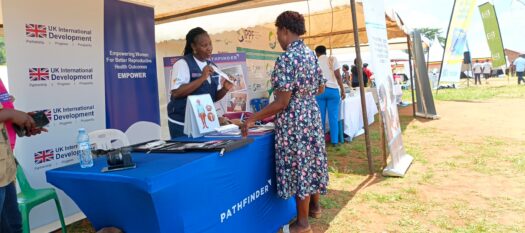
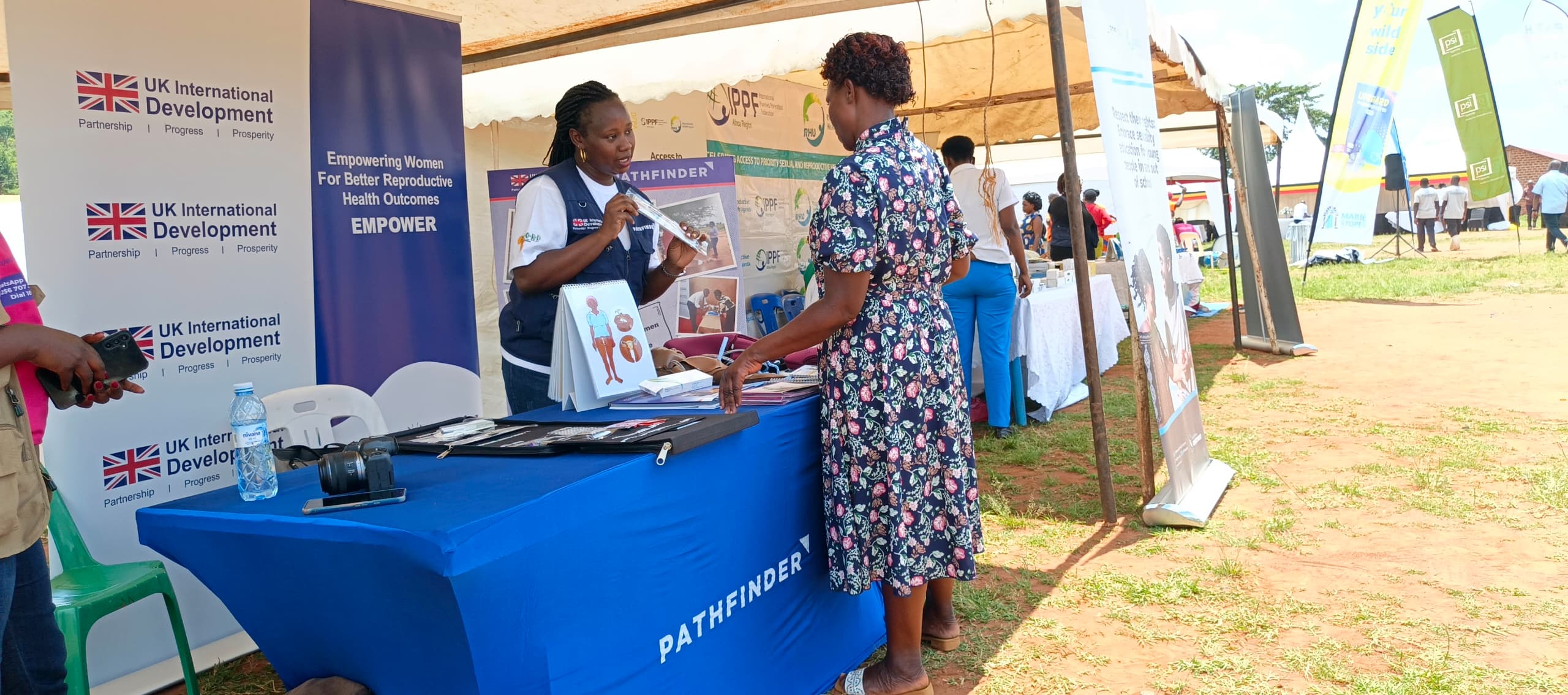
In Uganda, through EMPOWER, a program we are leading with support from the UK government, we have been holding co-creation meetings with women, men, young people, and community leaders across 50 districts. What they tell us is that many women and girls still lack access to contraception and the agency to make their own reproductive choices.
Although more women are accessing contraception than ever before, the picture is uneven. In regions like Busoga, Bukedi, Karamoja, and Teso, child marriage and teenage pregnancy continue to cut girls’ futures short. In some communities, more than 130 out of every 1,000 adolescent girls give birth, a number that reflects not only gaps in services but harmful and deep-rooted social and gender norms. In some polygamous families, women are pressured to have many children to gain respect or security, even when it risks their health.
Facing stigma at health facilities, many young people are turned away when they seek out contraception. Unmarried women are shamed for wanting to prevent pregnancies until they are ready. Women with disabilities are denied respectful care.
These stories remind us that access to contraception goes beyond commodities and clinical care; it is about being treated with dignity and confronting inequities that run deep in culture and power structures.
Communities have the solutions
The good news is that solutions already exist within communities:
- Teachers are ready to ensure young people get accurate, age-appropriate information.
- Local leaders and faith institutions, when invited into dialogue, can help dispel myths and encourage openness.
- Community health workers, cultural leaders, religious leaders, and other community influencers are trusted messengers who reach people where they live.
Working with these champions of change amplifies local voices and builds stronger, more resilient systems. Men, too, play a vital role, not as gatekeepers, but as partners who support and share decisions.
The message is clear: contraception is not just a private concern—it is a public good. Its benefits ripple far beyond the individual. When women and girls can make informed choices, families thrive, communities prosper, and nations advance. The impact is visible: less poverty, healthier mothers and children, and futures full of opportunity for all.
True progress happens only when no one is left behind, when every girl, woman, man, and youth, regardless of their background, can shape their own future.