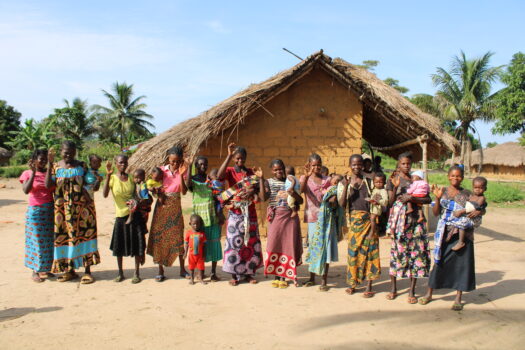
Climate change is ravaging communities across Pakistan and Bangladesh. From devastating floods and violent cyclones to prolonged droughts and lethal heat waves, the crisis disproportionately strikes the most vulnerable—those with the fewest resources and the least political voice.
To meet this challenge, and building on our decades of experience elevating women’s leadership, we engaged more than 1,000 women across Bangladesh and Pakistan over the past four years as Climate Champions.
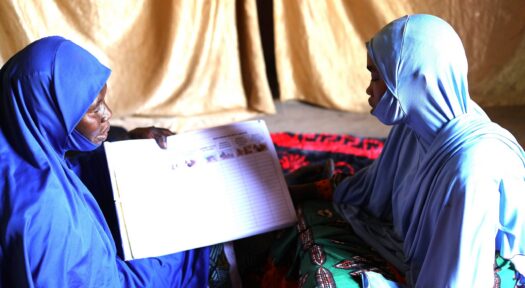
This powerful network is strengthening local resilience and increasing critical climate and health awareness. They are the community-level first responders keeping families safe—helping pregnant women plan for safe deliveries during disasters, bringing life-saving information on nutrition and disease prevention, and providing links to safe shelters.
These champions are also advocates with seats on local governance committees, ensuring sustainable investments are made for a climate-resilient future. They are preventing child marriages, getting more girls into school, and fostering economic prosperity by spreading the word about climate-adaptive livelihoods.
Their names may never make headlines, but their essential work is undeniable.
Aklima
Sylhet, Bangladesh
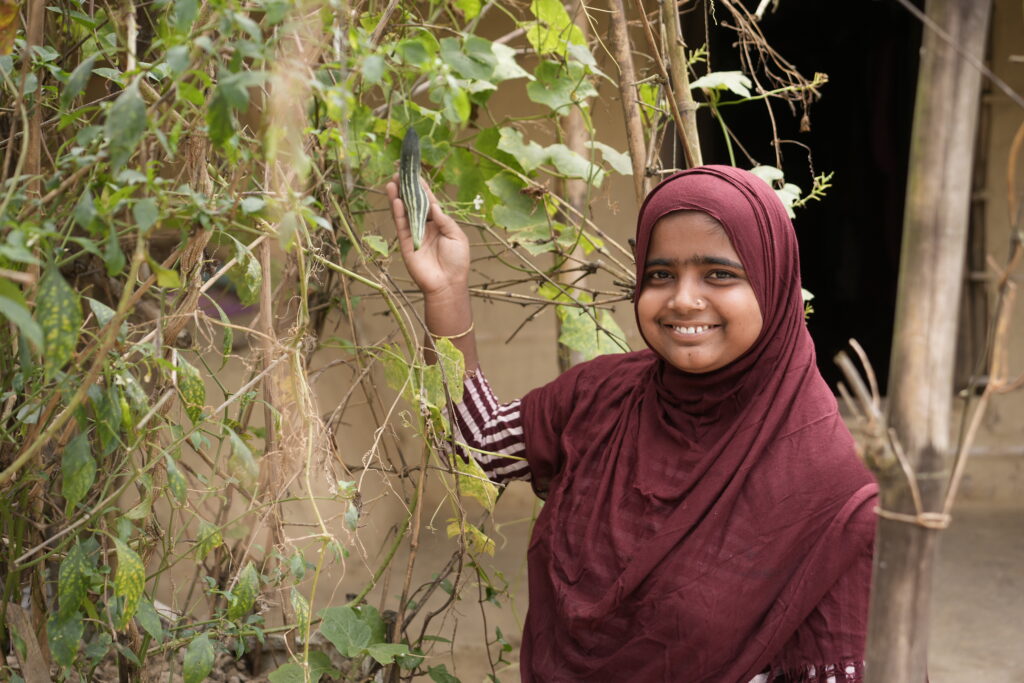
“I am no longer just someone’s wife or mother—I am a person, a leader. I want more women like me to find courage and direction. This transformation has been possible through the support and guidance I received, and I am deeply grateful.”
In the flood-prone village of Khagail, Aklima’s early life was shaped by uncertainty. During the devastating floods in 2022, she was pregnant and struggling with extreme poverty, with no stable income.
She then joined a local women’s group with Pathfinder’s support. Through regular meetings and hands-on training, Aklima learned that climate disasters could be met with preparation, knowledge, and collective action.
“I used to believe disasters were something to endure in silence,” she shared. “Now I know that awareness and readiness are the greatest strengths.”
Adopting climate-resilient farming techniques like sack and tower gardening, Aklima now grows ten types of vegetables on raised beds using flood-adaptive methods. Her harvest improves her family’s nutrition, and the surplus generates an average monthly income of 10,000 BDT, part of which she saves for emergencies. She also accesses seeds, fertilizers, and services from government agricultural offices and guides other women in navigating these resources.
Recognizing the potential of her skills, Aklima began producing bamboo and cane crafts—baskets, trays, and household items—which she sells in the local market, adding another 10,000 BDT to her monthly income. This strengthened her family’s financial stability and established her as an independent entrepreneur.
Participation in gender-awareness sessions has transformed her household. She and her husband now make decisions jointly, including family planning, fostering mutual respect and a healthier environment.
Aklima’s leadership extends into her community. She contributes to disaster preparedness and response plans, raises awareness, and ensures women’s voices are included in decision-making.

Karishma
Sindh, Pakistan
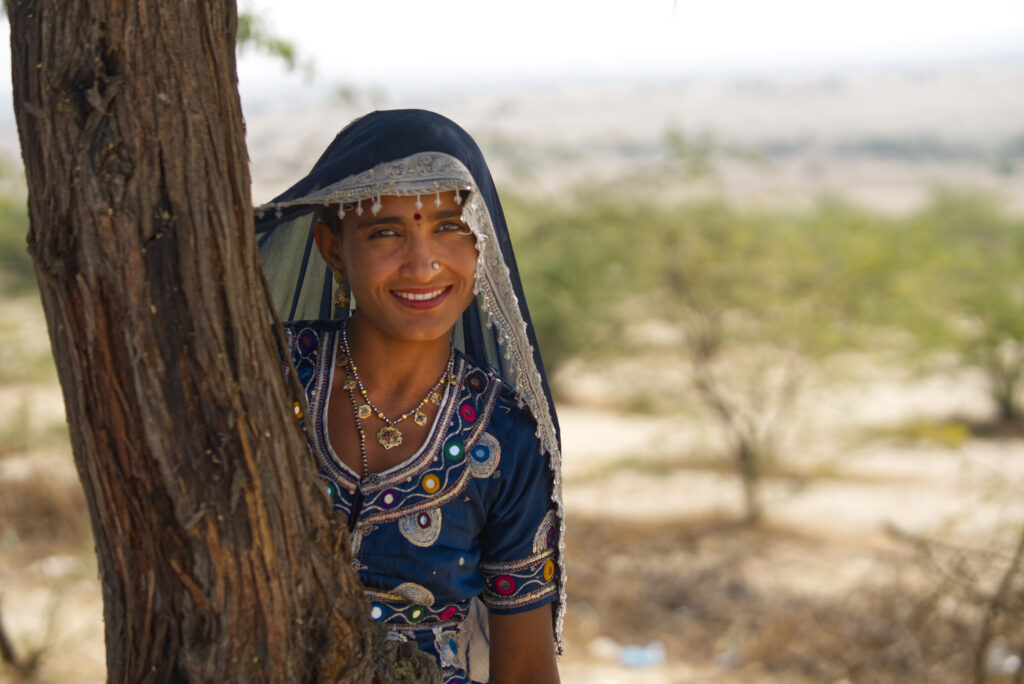
“Through our theatre performances, we have created a space in the community where women, girls, men, and boys come together not only for entertainment but also to learn about the importance of education—especially for girls—and to explore new horizons.”
Karishma—a young woman married at an early age—embodies the spirit of strength and perseverance needed to tackle the challenges posed by climate change and restrictive social norms. Her resilience and determination led her to become a Climate Champion, a turning point not only in her own life but also in her husband’s.
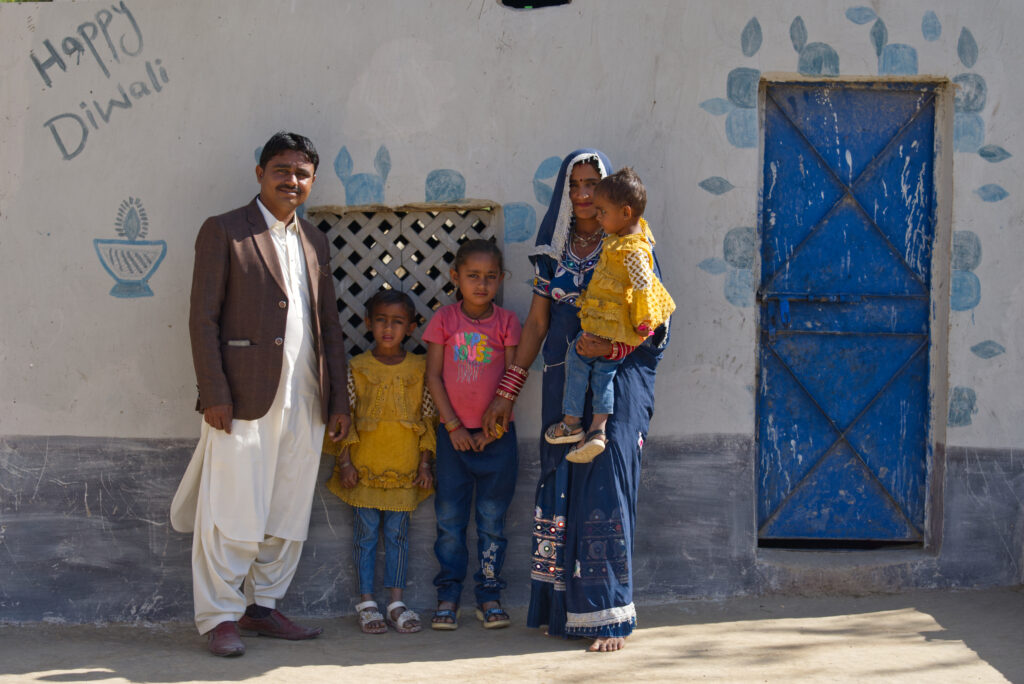
Karishma and her husband participated in trainings supported by Pathfinder, where they learned and embraced the responsibility of raising awareness about the impacts of climate change on women and girls. Inspired by this experience, together, they began advocating against child marriage, a widespread practice in their community.
Karishma had seen how climate-induced disasters, such as floods, intensify financial pressures on families, leading many parents to marry off their daughters at a young age in hopes of easing their financial pressure. To raise awareness about the ills of child marriage and amplify their message, Karishma and her husband formed a community theatre group, using art as a tool to spark conversations within their community about the dangers of early child marriage and the value of girls’ education.
Farabi
Netrakona, Bangladesh
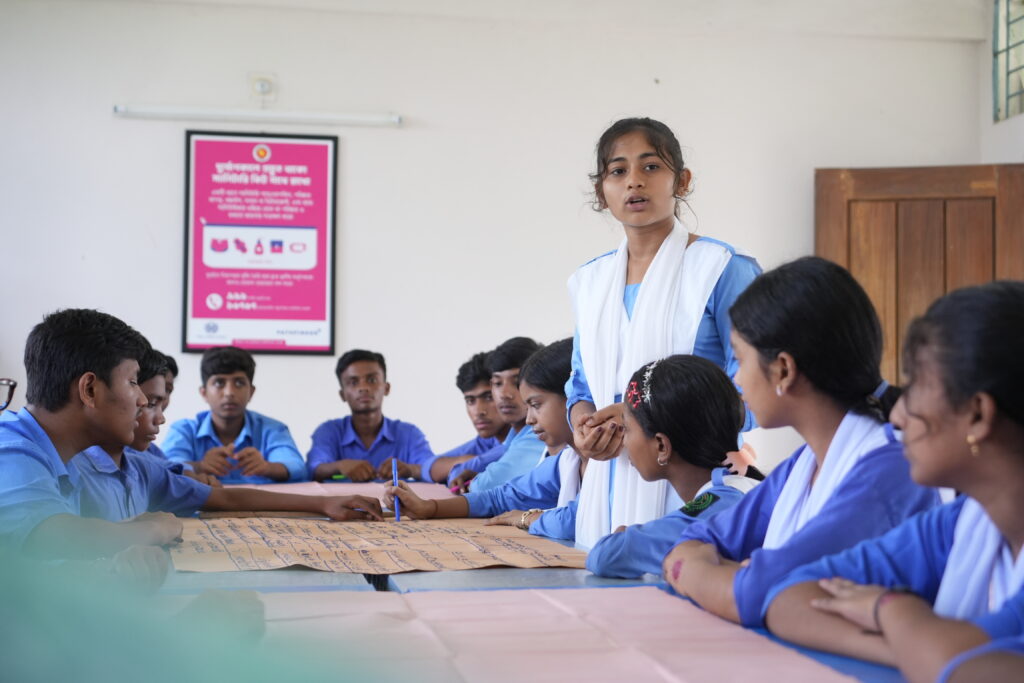
Farabi, 15, is a member of the student council at Birampur High School in Mohanganj Upazila, Netrakona District. With 19 other students on the council and Pathfinder support, she began engaging in activities on climate resilience, disaster preparedness, and community development. She attends monthly sessions covering food and nutrition, climate change resilience, disaster preparedness, sexual and reproductive health, gender-based violence, puberty, and school safety planning, actively sharing her knowledge with her peers.
Through her leadership, Farabi realized many girls were experiencing menstrual health issues and other health concerns but were unable to seek help. She raised this issue during a session with the head teacher. As a result, a local service provider arranged a health session with the students, and the school administration set up a system allowing small groups of students to visit the Union Health and Family Welfare Center every Sunday and Wednesday to receive health services.
Farabi’s dedication extends beyond health. After experiencing a severe flash flood in 2022, she recognized the importance of early warning systems. She now proactively shares weather forecasts and flood alerts with her family, classmates, and neighbors using government hotlines and websites. She organizes sessions on climate change, its impacts, and practical solutions, teaching peers about tree planting, waste reduction, and other sustainable practices.
Her peers look up to her as a motivated and responsible young leader. Farabi dreams of serving her country as an army officer and continues to demonstrate courage, initiative, and a strong commitment to her community’s safety, health, and resilience.
Poonam
Sindh, Pakistan
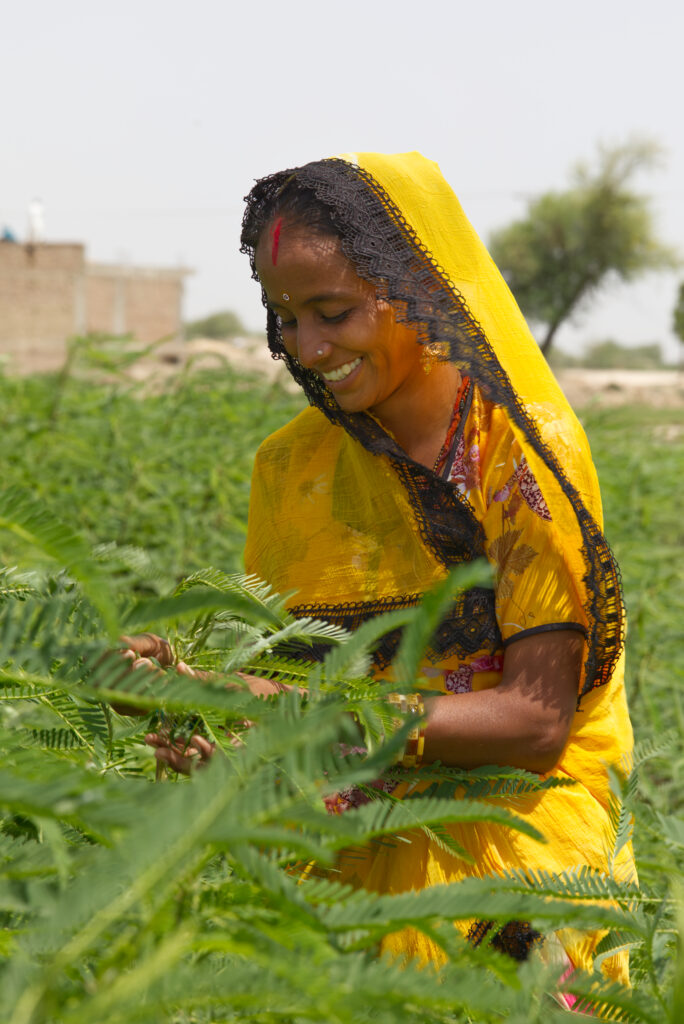
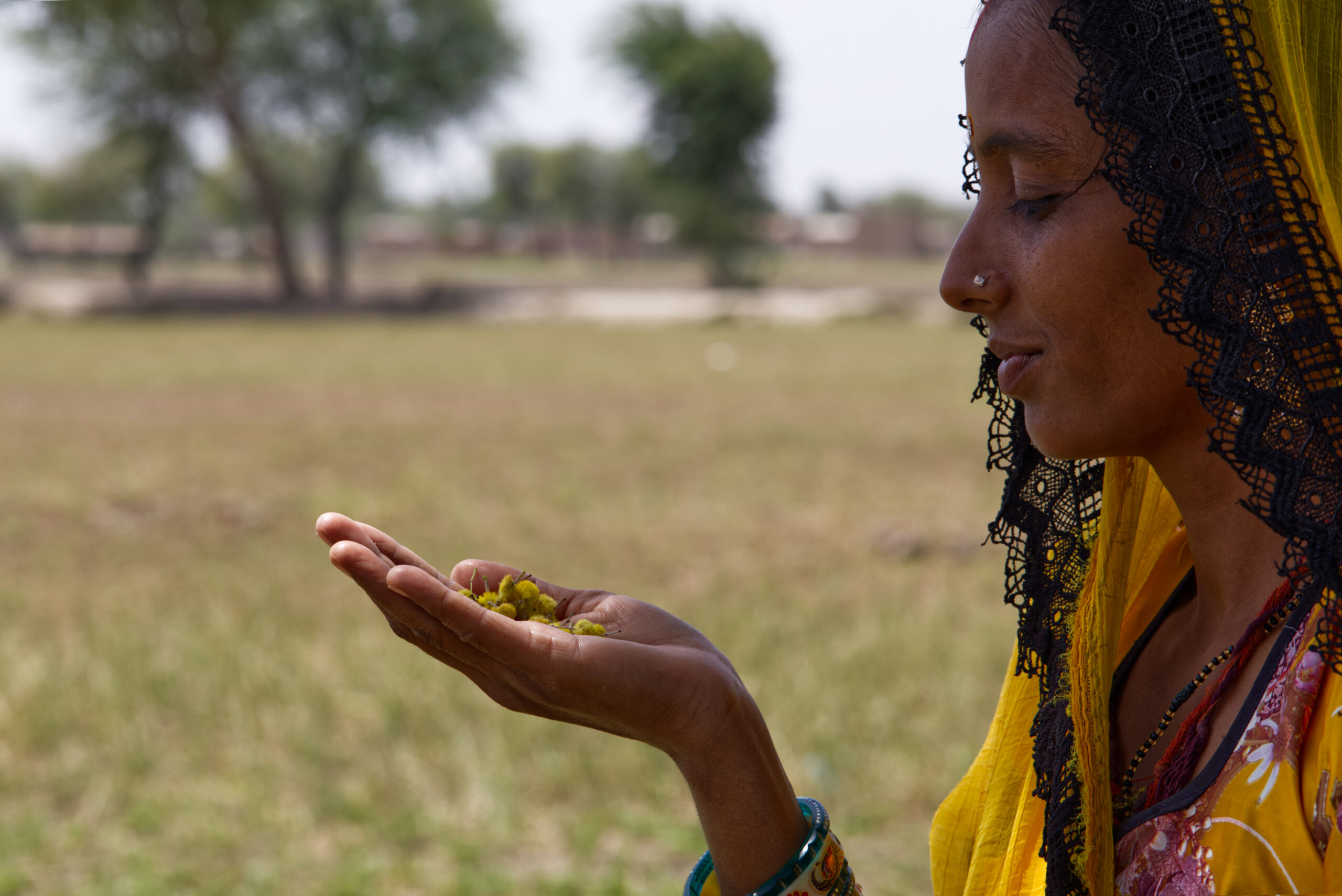
Married at just 13, Poonam Bai began her new life in Raichand Koli village with little control over her future. But over the last 19 years, with the steady support of her husband, she resumed her education, completing school and two years of college, while raising a family of her own.
Now 32, Poonam is a respected Climate Champion in her community, offering guidance on healthcare, family planning, nutrition, and disaster preparedness. During floods and heavy rains, she helps families protect themselves from water- and vector-borne diseases, and ensures pregnant women are prepared for climate emergencies.
Once a child bride, Poonam now advocates for girls’ education and agency, breaking cycles of silence with dignity and quiet leadership. Her journey reflects the power of persistence and the deep impact of one woman’s resolve to build a better future for others.
To learn more about our Climate Champions initiative, read this brief.
Or watch stories from Rasna, Romena, and Mojadila.
We are grateful for Takeda Pharmaceutical Company Limited’s Global CSR Program for supporting this transformative work through the Advancing the Leadership of Women and Girls Towards Better Health and Climate Change Resilience project.