Cross-posted from our Country-Led in Action newsletter on LinkedIn.
In Uganda, we often speak about systems strengthening, localization, and sustainable change. But what does that look like in the lives of the people we serve? Through the EMPOWER Program, we are seeing what happens when health workers, communities, and local leaders are supported to lead change themselves: stronger health systems and communities sustaining positive change.
Rebuilding trust and quality at heath facilities
At Nakivale Health Centre III, which serves a large refugee community, midwife Doreen recalls a time when family planning services were limited, especially for women who had just given birth.
“We used to have a very low uptake of family planning services, especially postpartum family planning,” she says. “Sometimes we would turn women away and ask them to return another day. It was heartbreaking to see some of them come back pregnant, reminding us that we had turned them away.”
Working alongside Doreen and her colleagues, the EMPOWER Program focused on strengthening the skills and systems already in place. Health workers received mentorship, improved their counselling skills, and were supported to better manage commodities and documentation. Over time, the team began to see more women using family planning.
Encouraged by this progress, the facility started a “Continuous Quality Improvement” project to strengthen immediate postpartum family planning. Early results show a steady increase in uptake of immediate postpartum family planning, with no women using it in September to 65 women using it by December 2025.
For Doreen, the change is personal.
“If we continue strengthening health education, more women will take up family planning, and we shall have empowered women deciding when and how many children to have.”

Creating safe spaces for young mothers
At Nawampiti Health Centre II, change is visible in the confidence of young mothers.
With support from EMPOWER, the facility introduced Young Mothers’ Forums. These forums provide safe spaces where pregnant teenagers and young mothers can talk openly, receive counselling on family planning, learn about gender-based violence, and get guidance on antenatal care.
Nalulondo Olivia, the maternity in charge, says the facility has realized a difference.
“We never used to counsel clients properly,” she says. “Even now, some young people say, ‘Eh, these days you guys are teaching us?’ It is exciting to see them take interest in their reproductive health.”
The facility also began offering long-acting reversible contraceptives, which were not previously available. In just three months, 78 young women under the age of 24 chose a long-acting family planning method.
Barbara, a young mother, says this decision has given her peace of mind.
“I’m happy I received Jadelle,” she says. “Now I can focus on my farming and take care of my one-year-old daughter without worrying about another pregnancy.”
Working through trusted community voices
Sustainable change does not happen in facilities alone. It also happens in communities, where beliefs and social norms shape decisions. Mutesasira Silver, a traditional healer, is one of the community gatekeepers trained through EMPOWER.
“As a cultural leader, people listen to me,” says Silver. “Now I guide them not just spiritually, but toward healthier families.”
Since his training, Silver has been referring clients to Bunyiro Health Centre III for family planning services. He is one of 509 trained community gatekeepers who are now helping families access information, encouraging open conversations, and supporting healthier choices.
Restoring dignity through fistula repair camps
In Mubende, the impact of this work can be seen in the life of Dorothy Namirembe. At 25, Dorothy had lived with obstetric fistula for six years. She stopped attending church, avoided social gatherings, and lost her partner. She lived in isolation and shame.
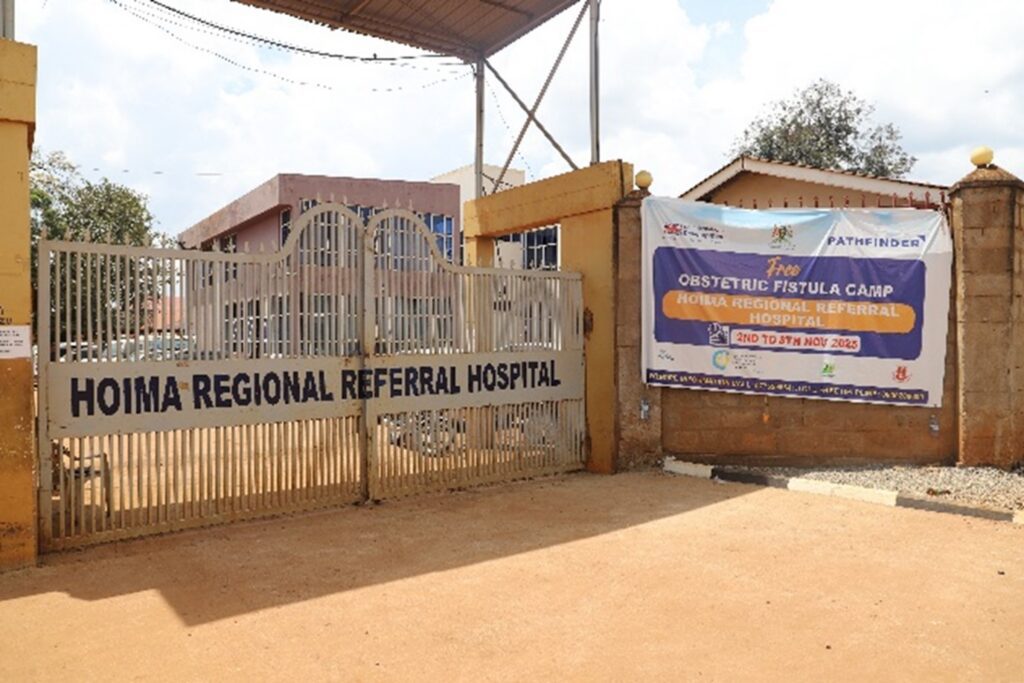
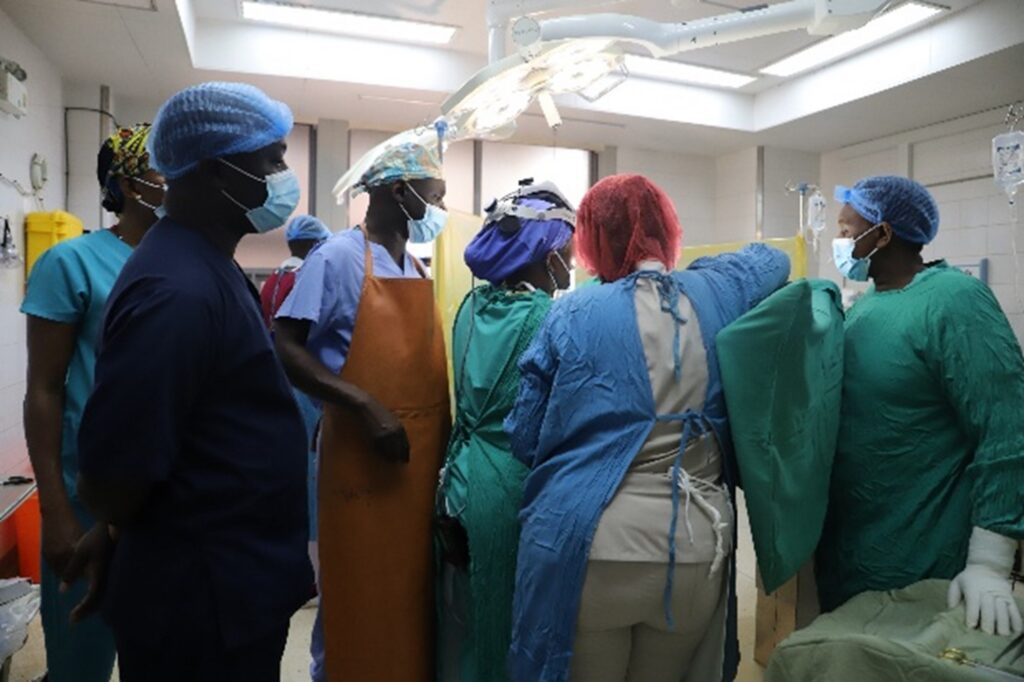
Her turning point came when she heard a radio announcement about a fistula repair camp. She attended the camp and received surgery, giving her a fresh start
“I had lost hope and even wished for death at some point,” she says. “But now I am fully recovered. I haven’t had to use pads since I left the hospital. Thank you for giving me life. I am looking forward to starting afresh.”
Strengthening local systems
These stories remind us that our role is not to replace local systems, but to strengthen them. When health workers are supported, they provide better care. When young mothers are given safe spaces, they gain agency to make informed decisions. When community leaders are engaged, they help shift norms. And when women receive quality care, they reclaim their dignity.
Through EMPOWER, we are seeing country-led change in action. Health workers are leading improvements. Communities are shaping solutions. And together, we are building stronger, more responsive health systems that will continue serving families long into the future.