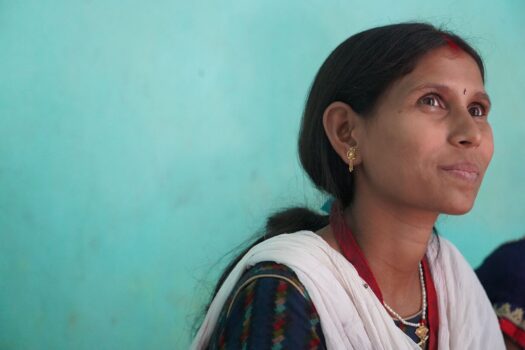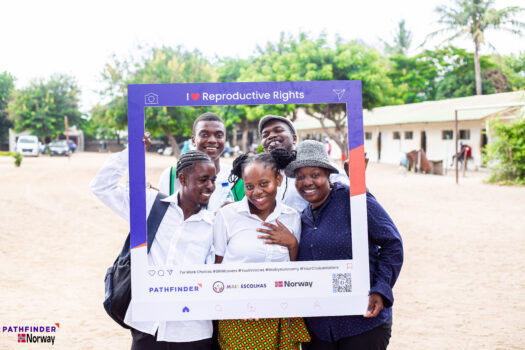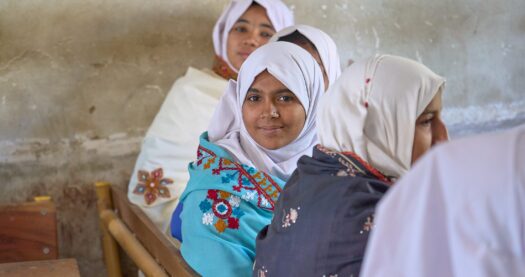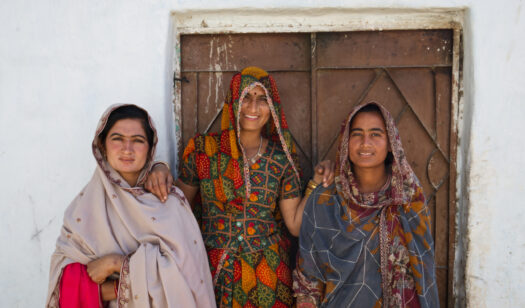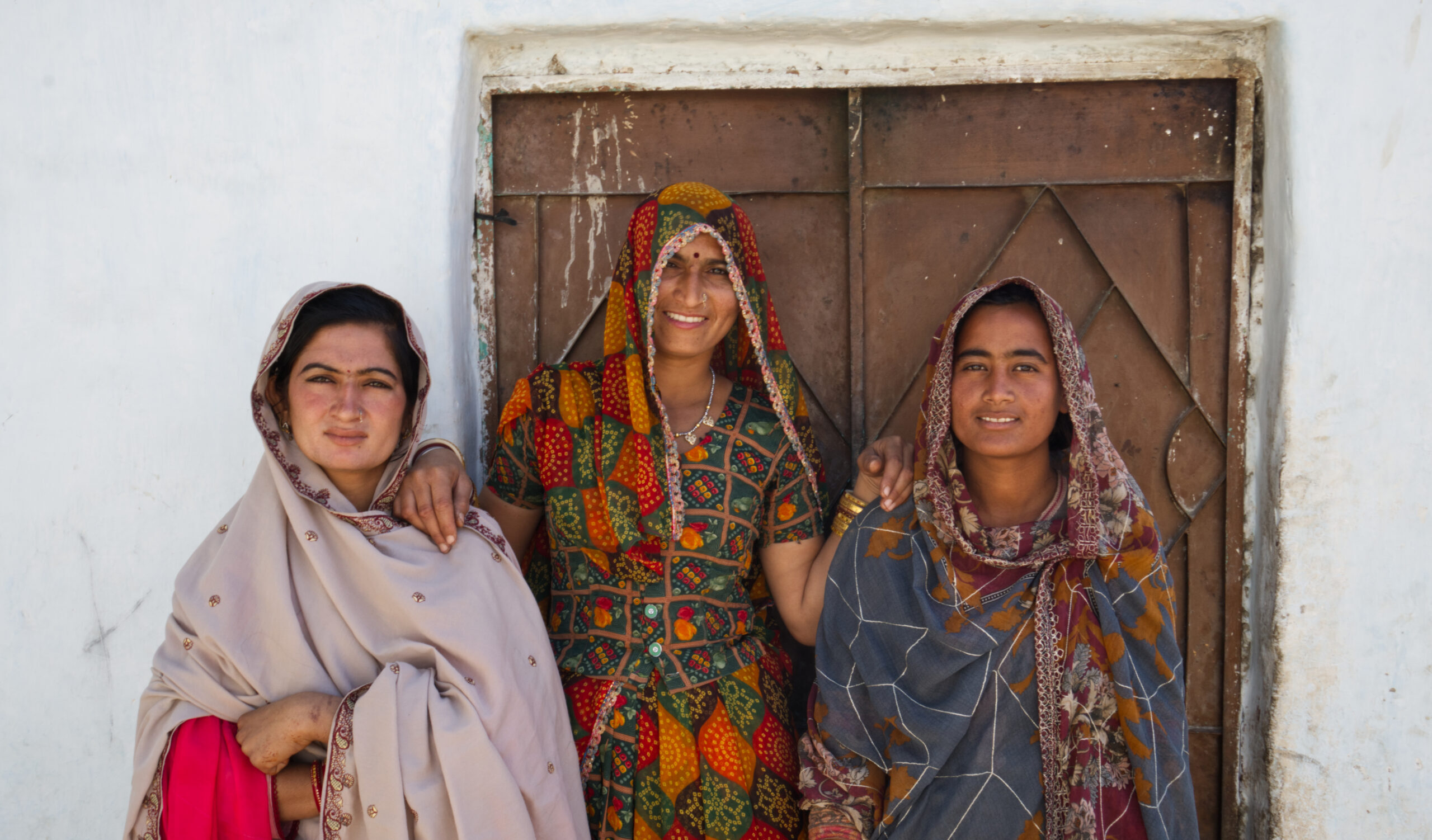
To truly build resilience in the face of the climate crisis, we must shift the power dynamics: from top-down interventions to community-led transformation—with women leading the way.
Our Toolkit for Applying a Gender-Transformative Approach to Women-Led Climate Resilience offers a roadmap for moving beyond “gender-sensitive” programming toward “gender-transformative” outcomes that are designed, implemented, and sustained by local communities.
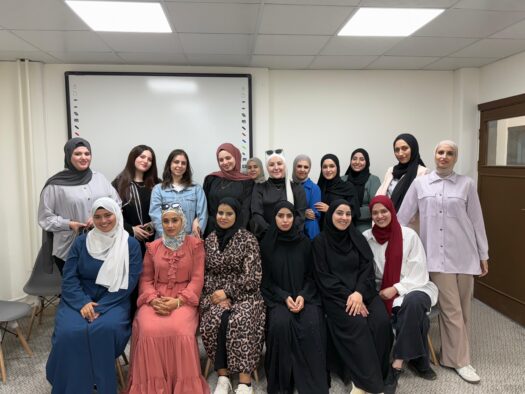
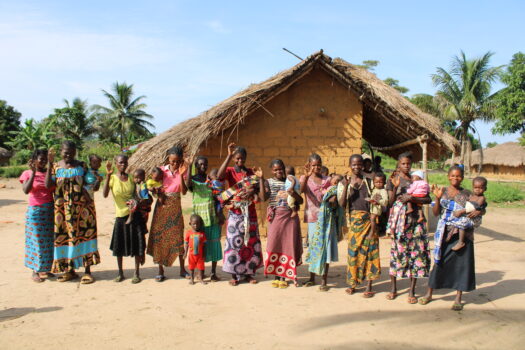
Women and girls are disproportionately affected by the climate crisis, and their exclusion from climate-related decision making increases their vulnerability, as their needs, priorities, and perspectives are often overlooked. The toolkit helps to catalyze their leadership and ensure they have the tools and knowledge to shape their own futures and make their communities climate resilient.
Moving from Instruction to Co-Design
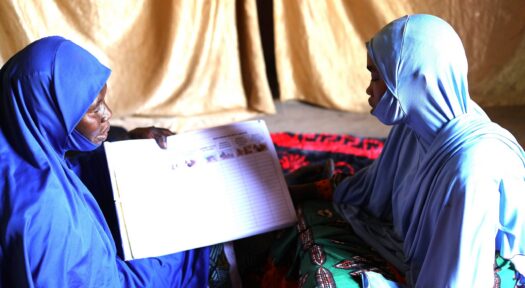
The toolkit introduces gender-transformative approaches that ground climate programming in women’s lived experiences and emphasizes co-creation of interventions with women and their communities. This inclusive, collaborative design process uses gender analysis and community risk assessments where women, community leaders, and members of community-based organizations and local health and social systems define their vulnerabilities and priorities. This ensures, based on the principles of a gender-transformative approach, solutions at the intersection of climate, gender, and health are grounded in the lived realities of the people they serve.
Transforming Systems, Not Just Individuals
True localization requires shifting the social fabric. Using the Socio-Ecological Model, the toolkit provides practical guidance on engaging individuals and every level of the society —at the individual, household, community, and institutional levels. From offering women access to climate-resilient livelihoods, working with male family members to strengthen household equity, and partnering with local “Climate Champions” who challenge the gender norms, the approach ensures that change is woven into the local social architecture.
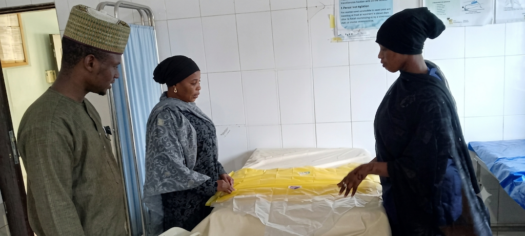
Through the toolkit’s application, husbands became allies for their wives’ enterprises, such as a weaving center set up in Sindh, Pakistan. Health systems prioritized reproductive health, and women led nature-based solutions—like mangrove plantations in coastal communities.
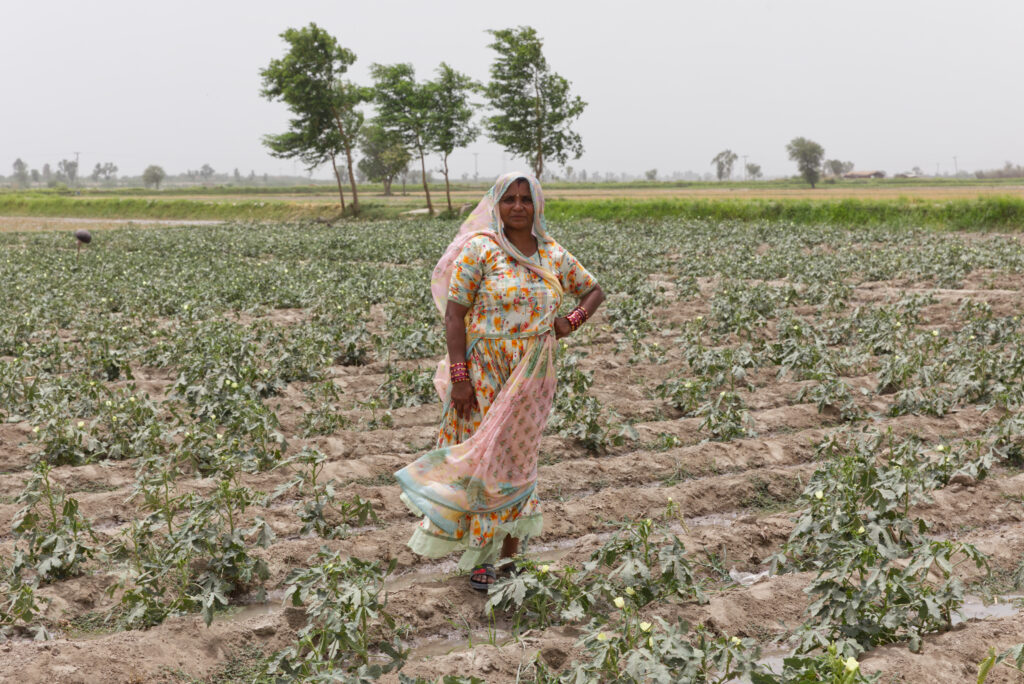
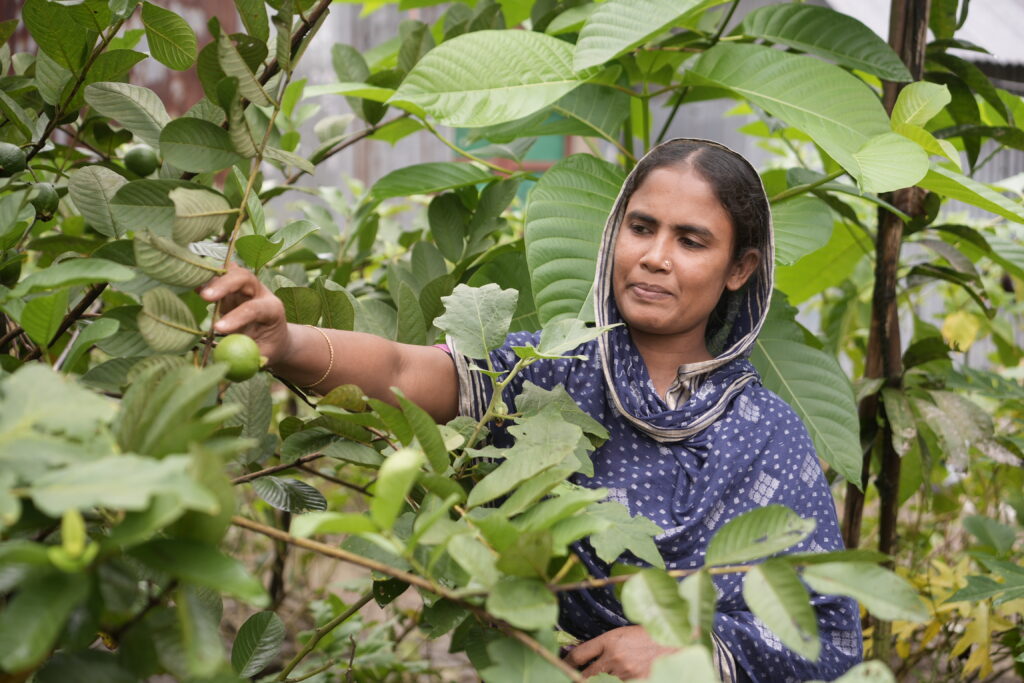
Applied by Pathfinder International in Bangladesh and Pakistan over the past several years, locally led solutions using a gender-transformative approach across all levels of Socio-Ecological Model included:
- Building the agency of women as Climate Champions through capacity strengthening on climate change and its impacts on sexual and reproductive health and rights and gender-based violence.
- Engaging men and boys to redistribute gender roles and responsibilities, redefine power dynamics, and include them as allies in gender-just climate actions.
- Holding community theatre and folk music performances delivering narratives at the intersection of climate education and gender equity, challenging harmful gender norms and creating enabling environment for women’s leadership in climate resilience at the community level.
- Creating school-based disaster management plans and guidelines that relied on the leadership of adolescent girls and boys.
- Including women serving as Climate Champions on Multisectoral Committees, facilitating the development of gender-inclusive contingency plans and decisions about local climate-resilience action plans and investments.
Building Institutional Legacy
A key tenet of our country-led approach is sustainability. The toolkit highlights how to strengthen climate emergency preparedness of local health systems and strengthen social safety nets of government offices that remain in place long after a project concludes. By investing in the capacity of local community-based organizations and institutions, use of the toolkit ensure that the expertise stays where it matters most: at the frontline.
Finally, the toolkit provides guidance on how to evaluate and learn from the gender-transformative approach to climate resilience programming by systematically monitoring, evaluating, and documenting transformative changes across all levels of Socio-Ecological Model.
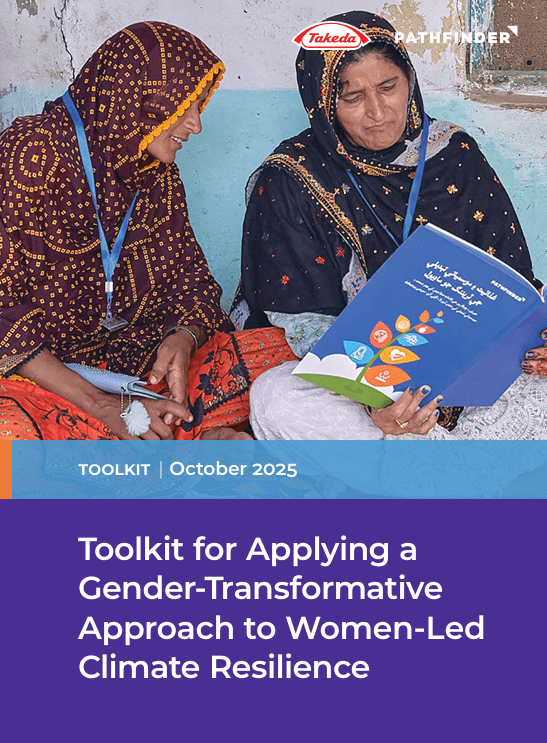
Put the Toolkit into Practice
Whether you are a donor, a policymaker, or a practitioner, this toolkit offers the templates, assessments, and real-life examples needed to operationalize a country-led, gender-transformative approach.
How are you shifting power in your own climate and health programs? Join the conversation on our LinkedIn page.