Dissiper la méfiance par le dialogue
Comment le modèle RMA a transformé la vie d’un couple au Niger
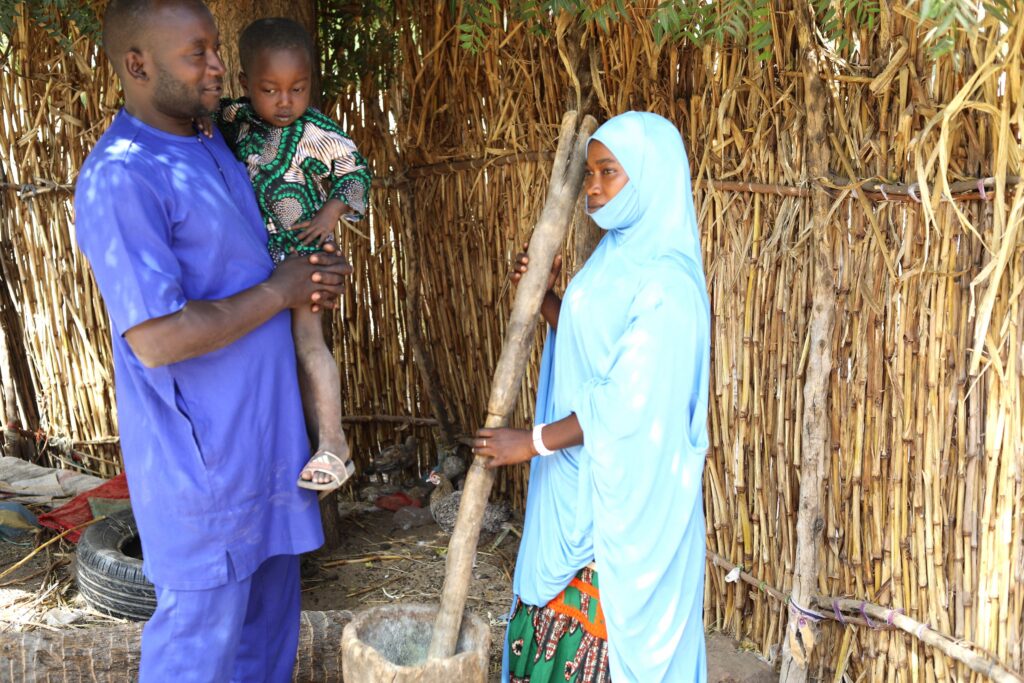
Anissa et son mari, Soumana, vivent avec leurs quatre enfants dans le village d’Harikanassou, situé dans le district sanitaire de Boboye, dans la région de Dosso au Niger. Bien que mariés depuis 12 ans, Anissa et Soumana avaient du mal à communiquer ouvertement sur la planification familiale. Comme beaucoup d’autres couples dans les zones rurales du Niger, leur perception de la planification familiale était façonnée par des mythes et des informations erronées.
Leurs blocages de communication se sont dissipés après qu’ils ont assisté à une séance d’information sur le modèle « Reaching Married Adolescents » (RMA) au centre de santé de leur village. RMA est mis en œuvre dans le cadre du projet J-Matassa. Lancé en 2024 par Pathfinder Niger et ses partenaires, le projet J-Matassa vise à réduire les mariages précoces, les grossesses non désirées et la mortalité maternelle, tout en autonomisant les femmes et les jeunes.
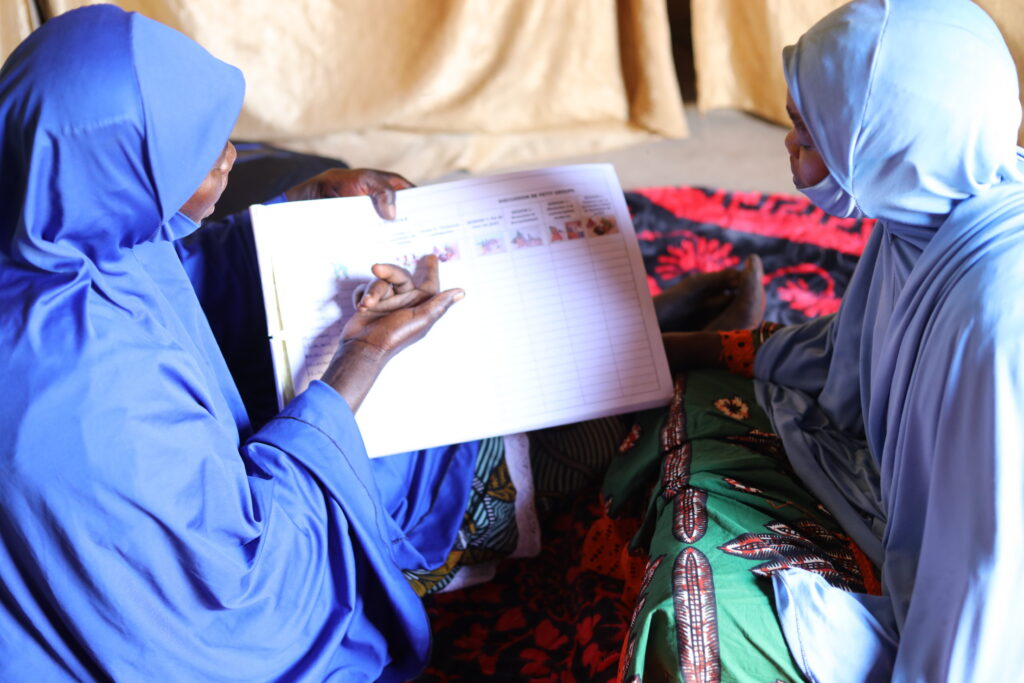
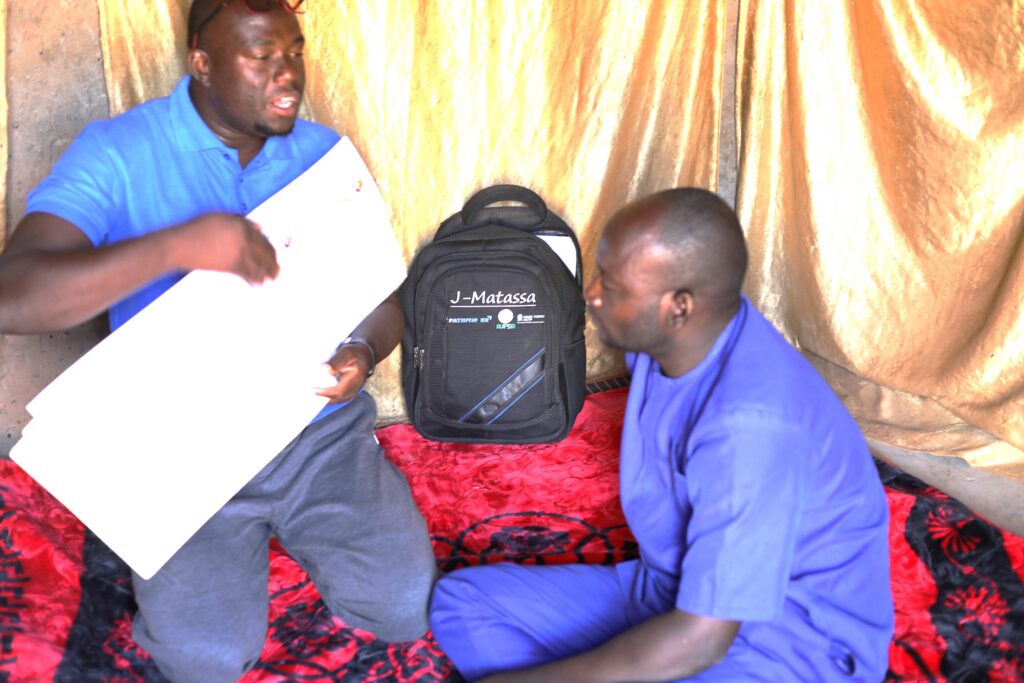
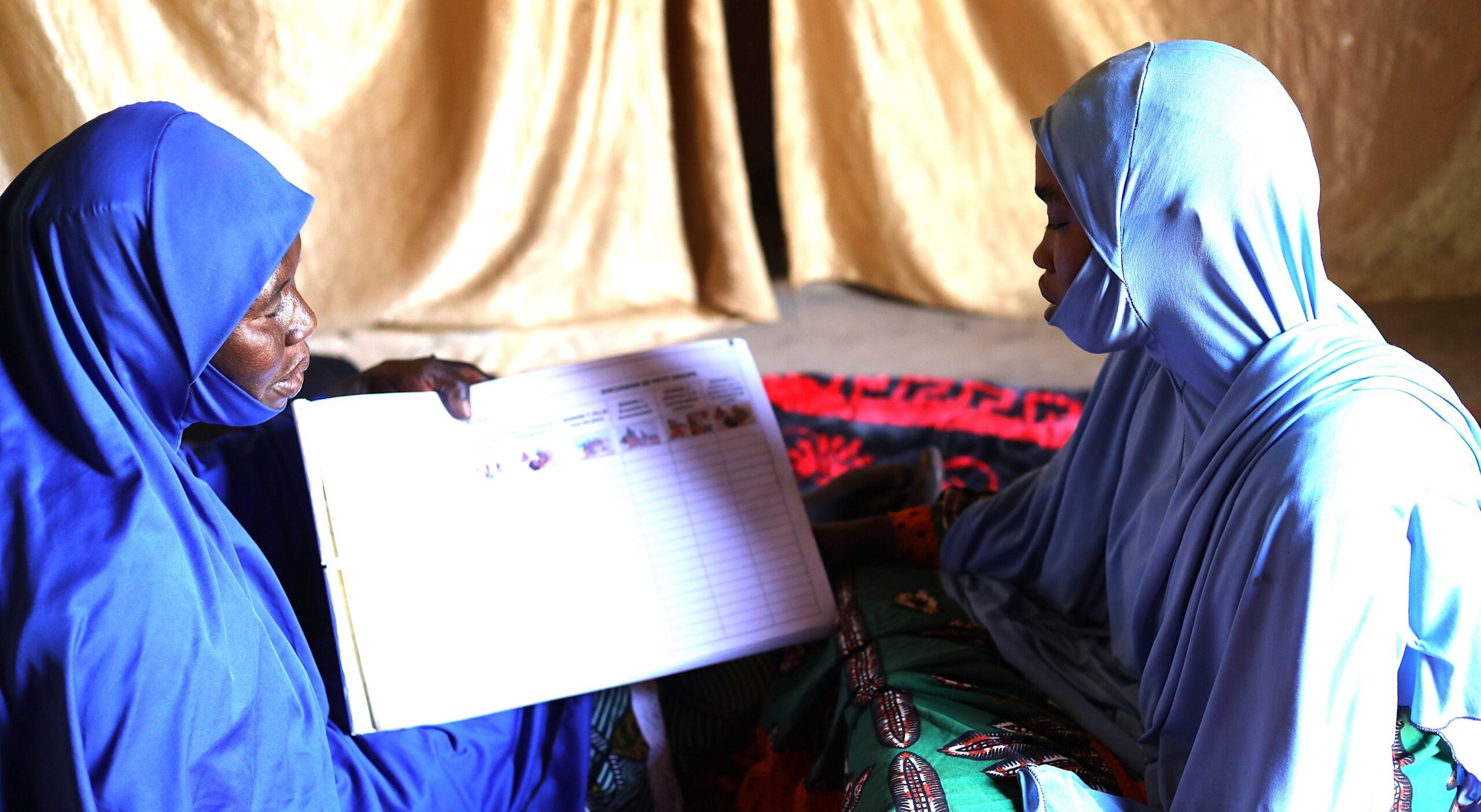
Le modèle RMA accompagne les adolescentes mariées, les jeunes femmes et leurs maris par le biais de visites à domicile, de séances de discussions en petits groupes, de séances de coaching et de dialogues communautaires axées sur la santé reproductive, la communication au sein du couple et le bien-être familial.
« Au début, ils nous ont expliqué que le programme visait à promouvoir l’espacement des naissances et à améliorer la santé du couple », se souvient Anissa. Anissa avait déjà entendu parler de la planification familiale, mais elle ne comprenait pas son rôle dans la protection de sa santé.
La perception de Soumana concernant la planification familiale était marquée par la méfiance : « Avant, je pensais que ces idées venaient de l’extérieur simplement pour nous empêcher d’avoir des enfants. »
Grâce aux visites régulières des agents de santé communautaires et aux discussions en petits groupes organisées par J-Matassa, Anissa et Soumana ont pris de plus en plus d’assurance pour parler de leur santé reproductive en tant que couple.
« Depuis que nous avons rejoint le modèle RMA, nos vies ont changé. Il y a plus d’harmonie et, surtout, beaucoup plus de communication entre nous », explique Anissa.
Pour Soumana, les connaissances acquises ont déclenché un changement bien plus profond. « J’ai compris que l’espacement des naissances est important pour la santé de la femme, et j’ai accepté que ma femme utilise une méthode. Mais l’impact le plus significatif aujourd’hui, concerne leur relation au quotidien. J’ai aussi compris que la violence est destructrice. Il vaut mieux vivre en paix et en harmonie », explique Soumana.
Aujourd’hui, Anissa et Soumana sont eux-mêmes devenus des défenseurs de la santé reproductive au sein de leur communauté. « Je partage ce que j’ai appris avec mes amis pour qu’ils puissent eux aussi en bénéficier », explique Soumana.
Ensemble, ils montrent comment l’accès à l’information, le dialogue et l’engagement des hommes peuvent transformer la dynamique familiale, favoriser des relations plus équilibrées et contribuer à prévenir la violence au sein du couple.
À propos de J-Matassa
Depuis le lancement du projet J-Matassa, RMA a touché 8 500 couples issus de 85 villages des régions de Dosso et de Tillabéri. En 2025, la mise en œuvre du modèle RMA a permis au projet J-Matassa d’atteindre les résultats suivants :
- 121 000 visites à domicile réalisées
- 3 775 discussions en petits groupes animées
- Plus de 80 000 femmes ont accédé à des méthodes contraceptives modernes — parmi ces femmes, environ 26 000 étaient de nouvelles utilisatrices
- Vaccination d’environ 7000 nourrissons
- Plus de 1500 femmes ont bénéficiés de soins pré et natals
Dissolving Mistrust through Dialogue
How the RMA Model Transformed the Life of a Couple in Niger
Anissa Fataou and her husband, Soumana, live with their four children in Harikanassou village, located in the Boboye health district of Niger’s Dosso region. Although married for 12 years, Anissa and Soumana found it difficult to communicate openly about family planning. Like many other couples in rural Niger, their perceptions of family planning were shaped by myths and misinformation.
Their communication roadblocks lifted after they attended an information session on the Reaching Married Adolescents (RMA) model at their village health center. Implemented through Pathfinder International’s J-Matassa project, the RMA model supports married adolescent girls, young women, and their husbands through home visits, coaching sessions, and community discussions focused on reproductive health, couples’ communication, and family wellbeing.
“At first, they explained to us that the program aimed to promote birth spacing and improve the couple’s health,” recalls Anissa. Anissa had already heard about family planning, but she did not understand its role in protecting her health.
Soumana’s perception of family planning was marked by distrust: “Before, I thought these ideas came from outside simply to prevent us from having children.”
Through regular visits from community health workers and small-group discussions organized by J-Matassa, Anissa and Soumana grew increasingly confident about discussing their reproductive health as a couple.
“Since we joined the RMA model, our lives have changed. There is more harmony and, above all, much more communication between us,” says Anissa.
For Soumana, the knowledge he gained sparked a much bigger change. “I understood that spacing births is important for a woman’s health, and I accepted that my wife should use a method.”
But the most significant impact today comes from RMA’s focus on preventing gender-based violence. “I’ve also come to understand that violence is destructive. Living in peace and harmony is better,” says Soumana.
Today, Anissa and Soumana have themselves become advocates for reproductive health in their community. “I share what I’ve learned with my friends so they can benefit from it too,” Soumana explains.
Together, they demonstrate how a couple’s access to information and engagement in healthy dialogue can transform family dynamics, promote more balanced relationships, and help prevent gender-based violence.
About J-Matassa
Launched in 2024 by Pathfinder International Niger and partners, the J-Matassa project aims to reduce early marriage, unintended pregnancies, and maternal mortality, while empowering women and young people.
Since its inception, J-Matassa has reached 8,500 couples from 85 villages across the Dosso and Tillabéri regions. As of 2025, J-Matassa had:
- Provided prenatal and postnatal care to more than 1,500 women.
- Conducted more than 121,000 home visits
- Facilitated 3,775 small group discussions
- Enabled more than 80,000 women to access modern contraceptive methods—of these women, approximately 26,000 were new users
- Vaccinated approximately 7,000 infants