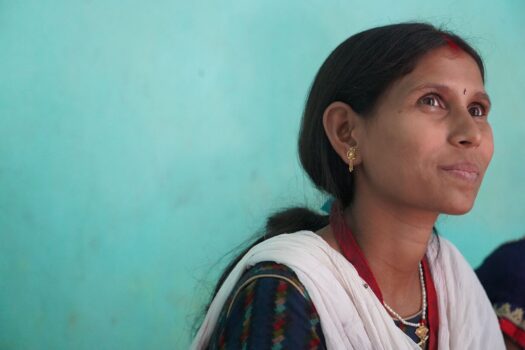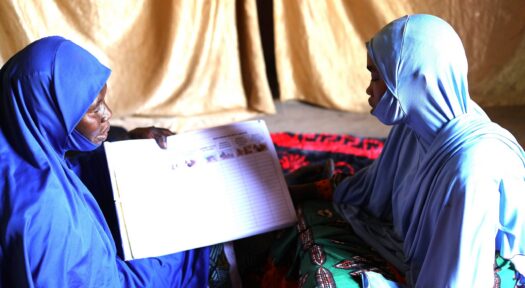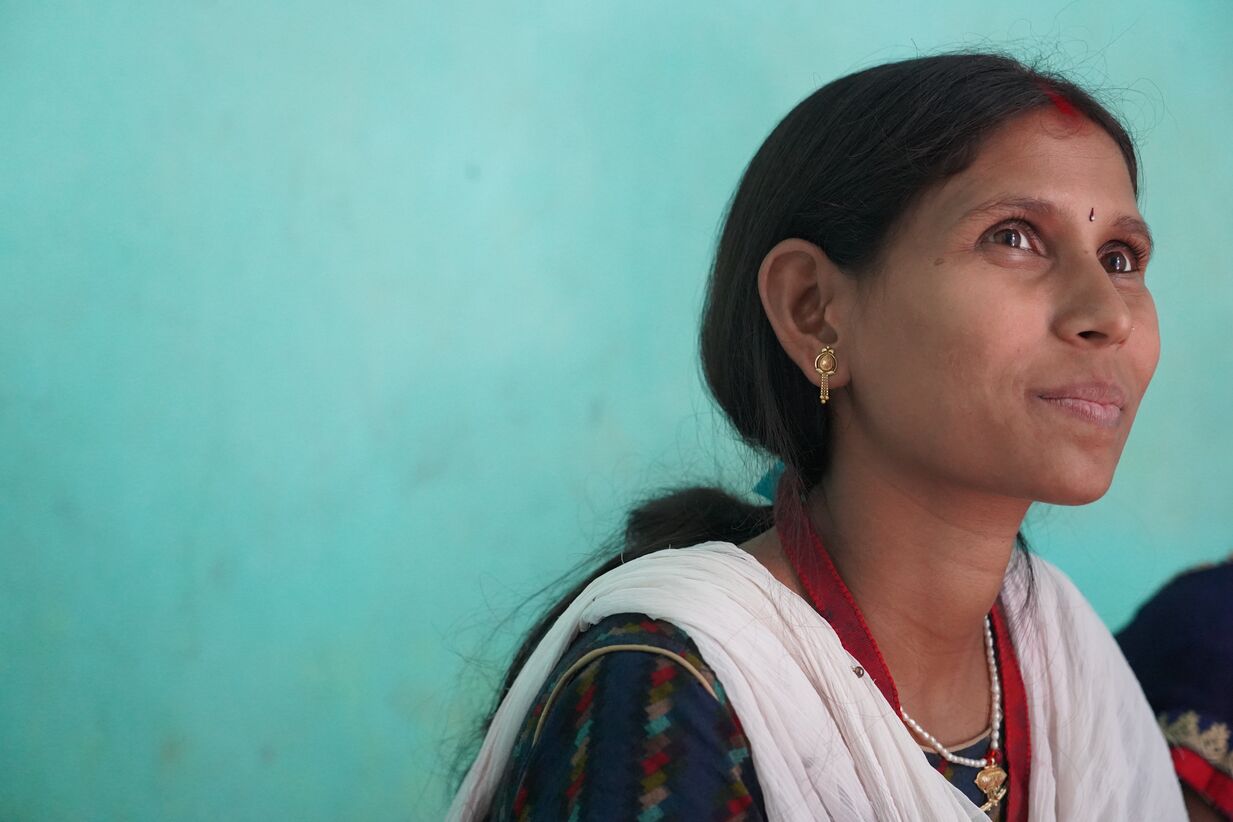
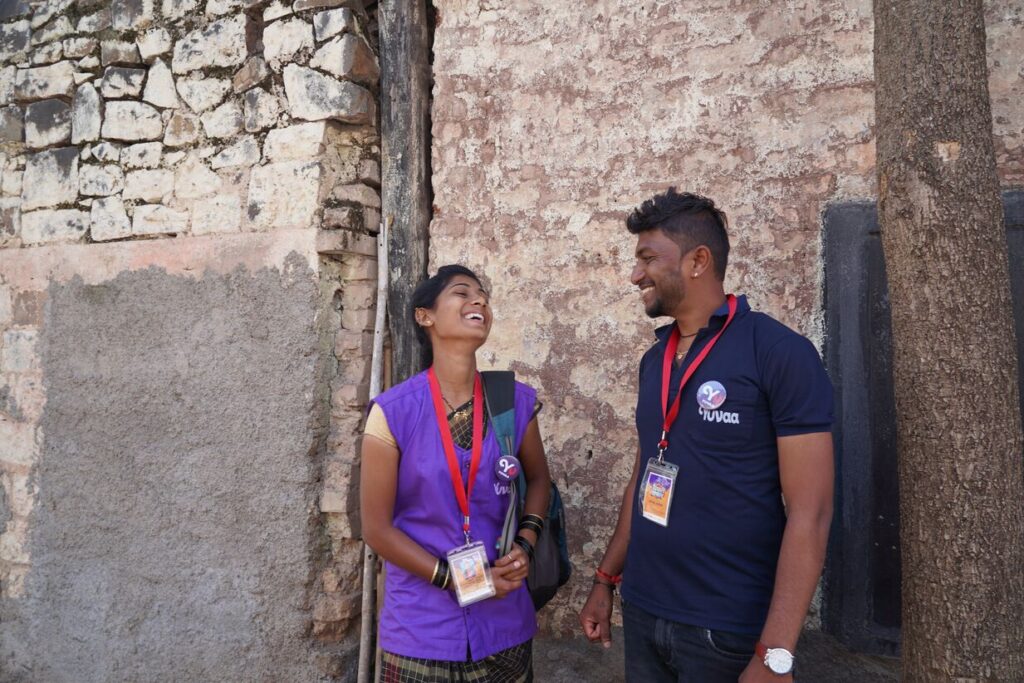
Through Pathfinder India’s innovative social entrepreneurship model in rural India, young couples delivered quality health products and services to underserved and hard-to-reach communities while building sustainable businesses.
Turning Couples into Changemakers
The Yuvakaar (social entrepreneurship couples) model addressed existing challenges to the provision of quality health care—poor infrastructure, mobility challenges, and deep-seated social barriers that inhibit women from making their own reproductive health decisions—while giving young couples a chance to gain financial autonomy.
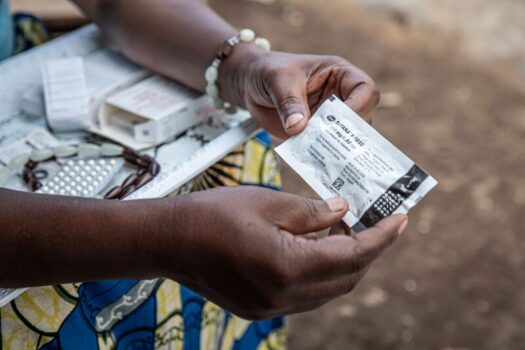
Pathfinder India worked with the private sector and local communities to scale the model across 10 districts in India’s Bihar and Maharashtra states. More than 600 trained social entrepreneurs reached more than 4,000 villages across the two states. They offered family planning products, such as condom and pills; family planning counseling services; and other health care products like pregnancy test kits, baby oil, sanitary pads, soaps, cosmetics, and solar lamps.
Here is how the model works:
- Doorstep Delivery: Trained couples (Yuvakaars) to deliver quality health care products and related services right to people’s doorsteps.
- Digital Empowerment: Equipped with digital tools, behavior-modeling films, and interactive games, Yuvakaars effectively promote health-seeking behaviors among young couples.
- Financial Independence: Backed by initial seed money and digital record-keeping tools, Yuvakaars build a sustainable product basket and market products to rural families. Yuvakaars earned approximately INR 4,000-7,000 in additional income.
- Smart Supply Chains: By bypassing local retail outlets and connecting directly with wholesalers and depot holders, they maximize their profit margins and ensure uninterrupted product availability.
Beyond Health Care: Driving Social Change
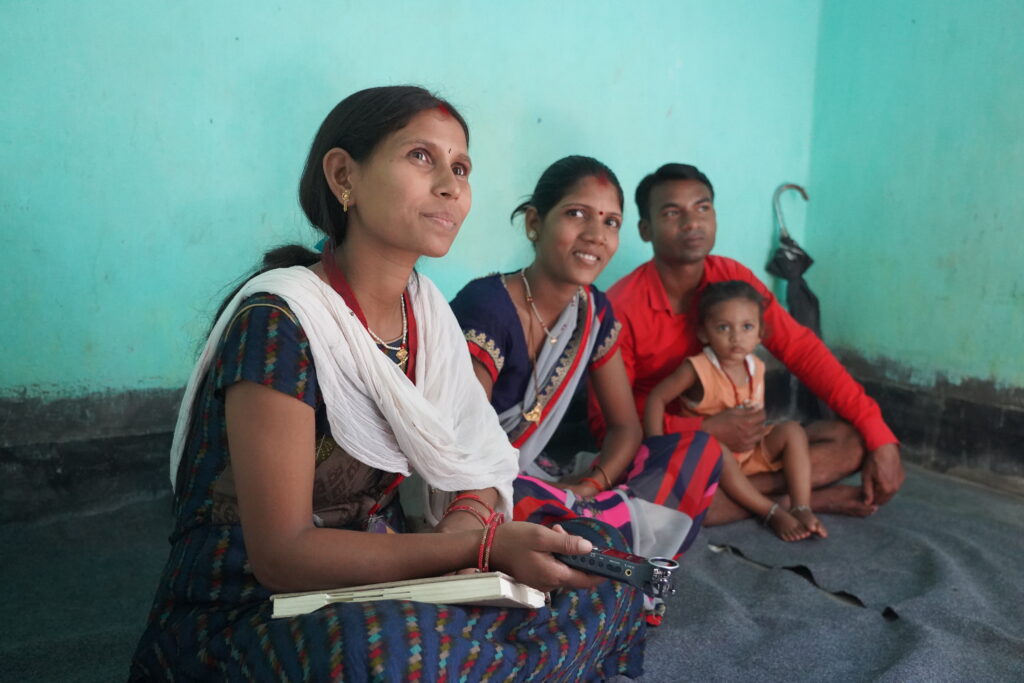
In addition to improving access to health care, the Yuvakaar model built the agency of women who served as social entrepreneurs. Through greater financial autonomy, these women gained more say in family decision-making processes and how money is spent on the health care needs of their families. Additionally, their male partners have provided social support, building more equity in their relationships.
Incentivizing Male Engagement
One challenge the model faced was a higher attrition rate among males who could move to new roles to earn a higher income through other opportunities. To boost profit margins, Pathfinder India added more commercial products, such as branded shampoo, soaps, and cosmetics to the items the young couples were selling.
A Scalable Solution
The success of the Yuvakaar model proves that couple-led social entrepreneurship is a scalable solution for rural markets. By combining essential healthcare delivery with financial sustainability, this model offers a blueprint for improving health equity across rural communities at scale. The model can layer commercial Fast-Moving Consumer Goods and services to enhance the marketing reach of commercial brands in rural India, especially in Bihar, Uttar Pradesh, and Jharkhand.
Read more about the model.