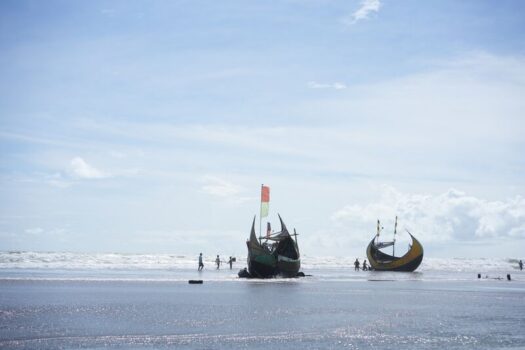
Mozambique’s famous coastline, one of the longest in Africa, stretches more than 2,300 kilometers (1,430 miles) along the Indian Ocean. Each year, as global temperatures and sea levels rise, the ocean erodes away a growing portion of Mozambique’s coastal ecosystem.
But not without a fight. For the last decade, coastal communities have been holding the line through mangrove restoration. Today, Mozambique is home to Africa’s largest mangrove restoration project.
This is what Mozambique is best known for: persistent, community-led action against a rising tide. Not only the kind that encroaches on the coast—also the kind that infringes upon the rights of women and girls. At Pathfinder International, we’ve long had the privilege of partnering with communities in this fight.
The country’s ambition, resilience, and commitment to women’s and girls’ health make Mozambique one of our most significant partnerships anywhere in the world.
—Tabinda Sarosh, President and CEO
Rooted in Sexual and Reproductive Health and Rights
For almost three decades, Pathfinder International Mozambique has worked alongside the Ministry of Health, civil society organizations, and communities to advance the sexual and reproductive health and rights of women, girls, and young people. In the last 12 years of collaboration alone, we have contributed to the development of 19 national laws, policies, strategies, clinical standards, and implementation plans protecting and advancing the rights of women, adolescents, and young people. These include reforms on prevention of child marriage, adolescent- and youth-friendly health services, family planning, maternal and newborn health, community health, self-care, gender equality, and more.
Though an important contribution to a stronger legal foundation, policy wins alone are not sufficient to safeguard sexual and reproductive health and rights, particularly for historically marginalized groups. Just as reclaiming the coastline requires year-round action, so does defending the hard-won rights of women, girls, and young people.
This is why, across every province in Mozambique, we work to strengthen health systems, expand access to sexual and reproductive health care, prevent gender-based violence, and put policy into practice.
Stronger Health Systems for Adolescents and Youth
More than one-quarter of Mozambique’s population is under the age of 19. According to the 2022–23 Demographic and Health Survey, 36% of girls aged 15–19 have begun childbearing—in rural areas, this number is closer to 44%. With such a rapidly growing youth population, ensuring that health systems are well-equipped to handle increased demand for adolescent and youth sexual and reproductive health services is critical, as is addressing the barriers and norms that prevent young people from seeking care.
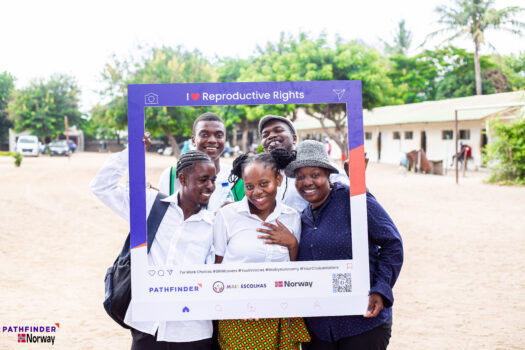
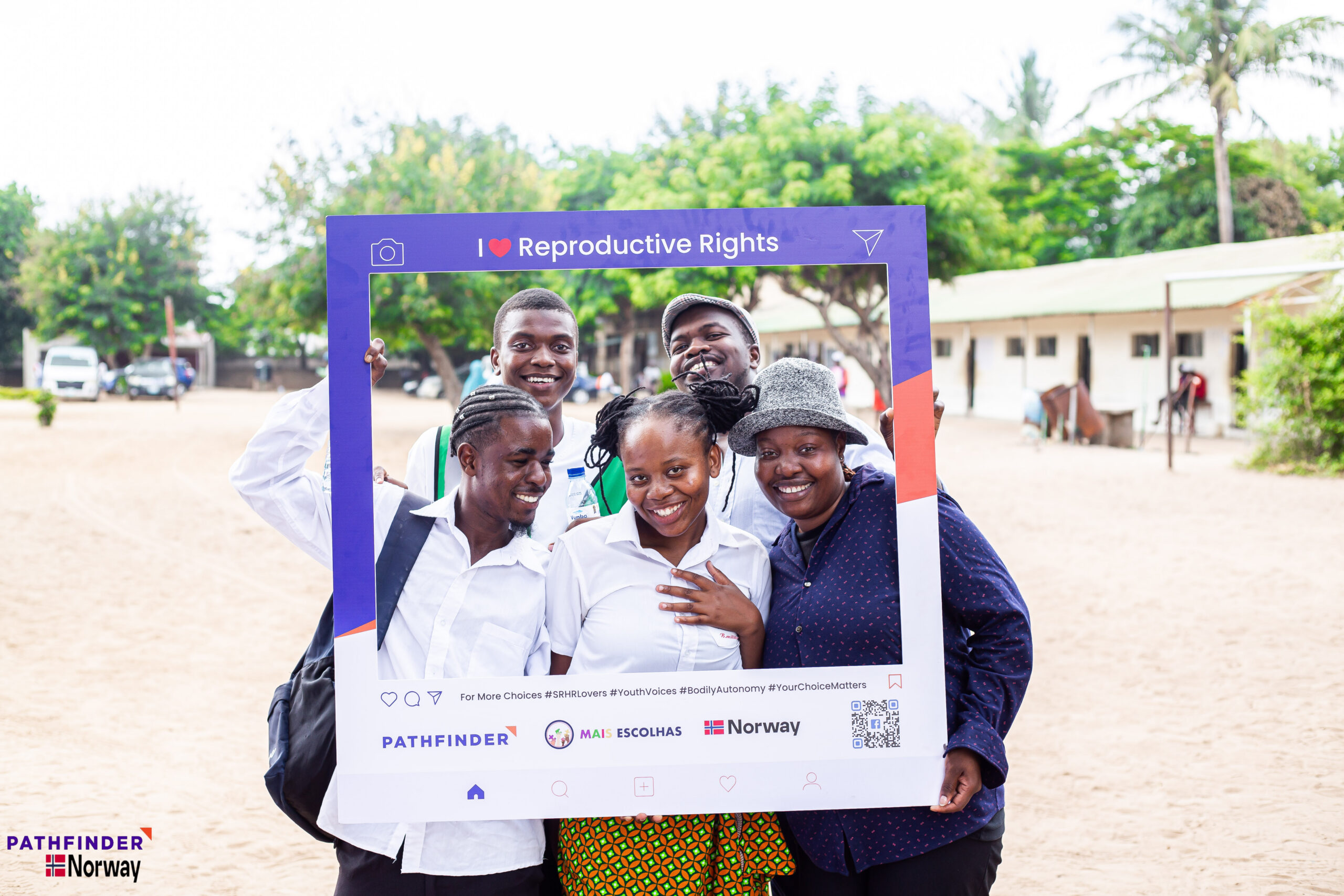
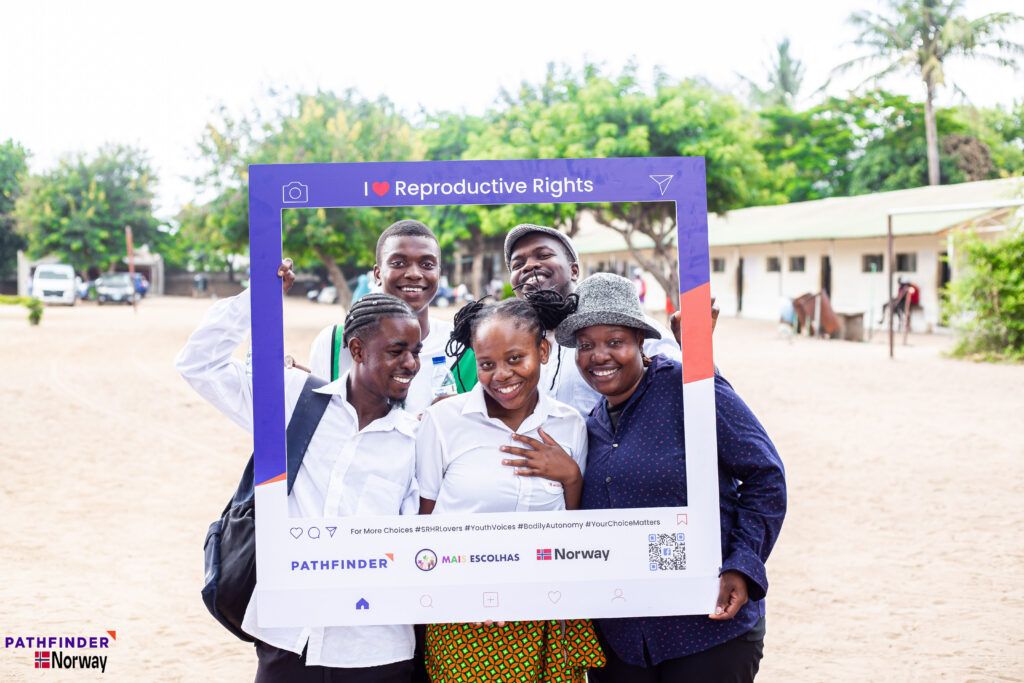
In Cabo Delgado, Maputo City, and Maputo Province, Pathfinder’s Mais Escolhas (More Choices) project supports government-led efforts to improve sexual and reproductive health outcomes and quality of life for women and girls aged 10–24.
In addition to training health workers in adolescent- and youth-friendly sexual and reproductive health services, the project also conducts outreach at schools, through radio programs, and with community and youth leaders. By building awareness among youth, their parents, and their communities, Mais Escolhas fosters an enabling environment for adolescent and youth sexual and reproductive health. Last year, Mais Escholhas…
- Reached 9,546 adolescents with comprehensive sexual and reproductive health education
- Provided 45,093 adolescent girls and young women with a contraceptive method
- Increased gender-equitable attitudes by 47% (measured through the GEM scale)
Revolutionary Self-Care
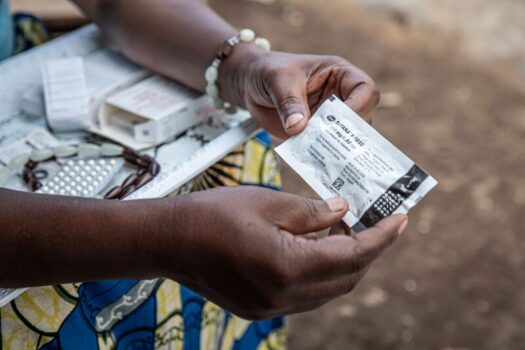
Another exciting development in Mozambique is the growing momentum around self-care, particularly DMPA-SC self-injection. In alignment with Mozambique’s National Family Planning Strategy, Pathfinder’s Futuros com Escolhas (Futures with Choice) project supports the health system to provide high-quality services, full contraceptive method choice, and gender-based violence prevention and response.
In Inhambane Province, where the project operates, self-injection now accounts for approximately one-quarter of all DMPA-SC users—well above the national average. Next, in close collaboration with government partners, the project is preparing to introduce the hormonal IUD.
This kind of careful, technical work rarely attracts headlines, but the results have the potential to expand contraceptive choice for women, girls, and young people for generations to come.
Taking a Stand with Sex Workers
Mozambique has one of the highest HIV burdens globally, with an adult HIV prevalence of 12.5%. HIV prevalence is higher among female sex workers, at approximately 30%. Structural barriers, including stigma, discrimination, criminalization, gender-based violence, and limited legal protection, continue to undermine access to HIV prevention, treatment, and justice services.
To advance human rights and sustain equitable HIV responses among key populations, Pathfinder’s Hands Off II project supported the establishment of the National Sex Workers’ Rights Platform (NSWRP). Comprising 29 member organizations across five provinces, this national coordinating body strengthened sex worker-led governance, advocacy, community-led monitoring, and accountability mechanisms.
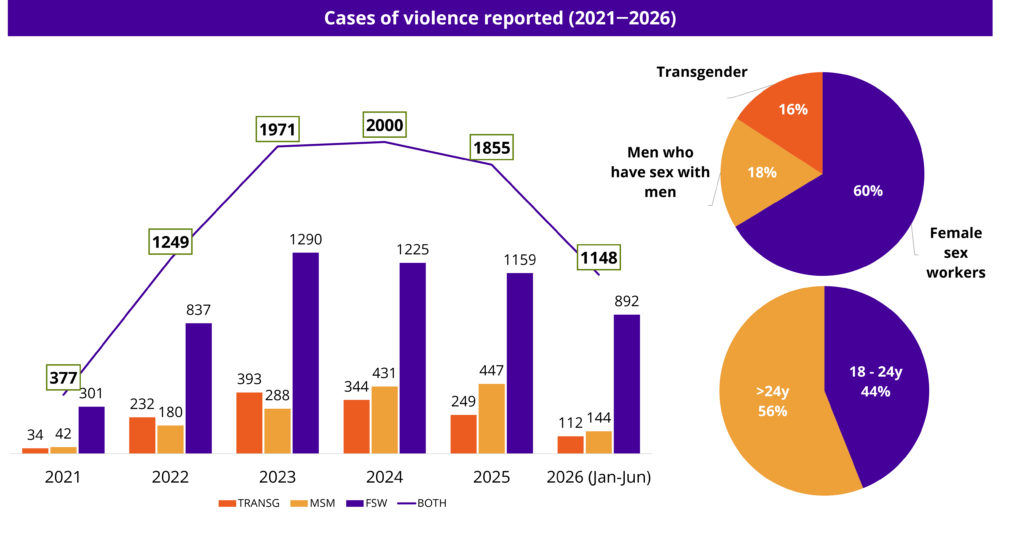
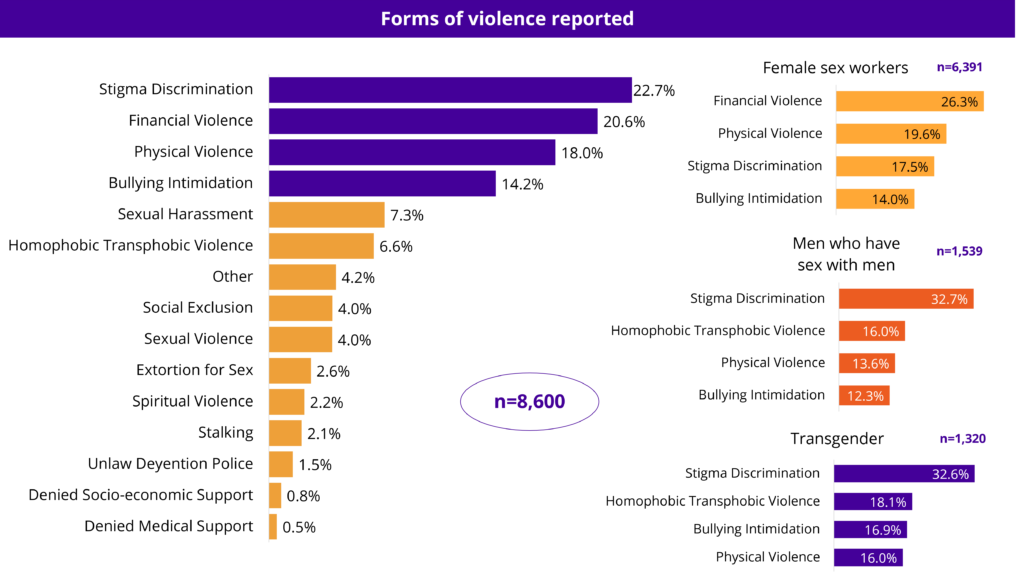
NSWRP was instrumental in strengthening referral pathways to link survivors of violence to legal, psychosocial, and health services and institutionalizing community-led monitoring to document and respond to human rights violations. Over the course of 2025, more than 1,000 human rights violations—that would have gone unreported without systems established through NSWRP—were documented.
Onward
The milestones described above were achieved amid insecurity, climate shocks, and supply chain challenges that continue to test both communities and health systems. In navigating these obstacles, Mozambique reminds us that resilience and innovation often grow together. It reminds us that progress is built not only through funding and programs, but through trust, relationships, local leadership, and a willingness to keep moving forward even when circumstances are difficult. Like the tides that shape its coastline, Mozambique continues to adapt, endure, and renew itself. We are privileged to work alongside our communities, in partnership with the government and thanks to our generous donors, for efforts that are shaping the country’s future.