Jordan’s growing green economy is creating new conversations around sustainability, innovation, and climate resilience—at the same time, it is also opening important pathways for women’s employment, leadership and entrepreneurship.
For many women, entering the workforce still comes with structural barriers: limited access to opportunities, mobility restrictions, caregiving responsibilities, and unequal professional networks. However, women across Jordan are increasingly stepping into emerging sectors tied to sustainability, cleantech, environmental innovation, and climate-smart entrepreneurship.
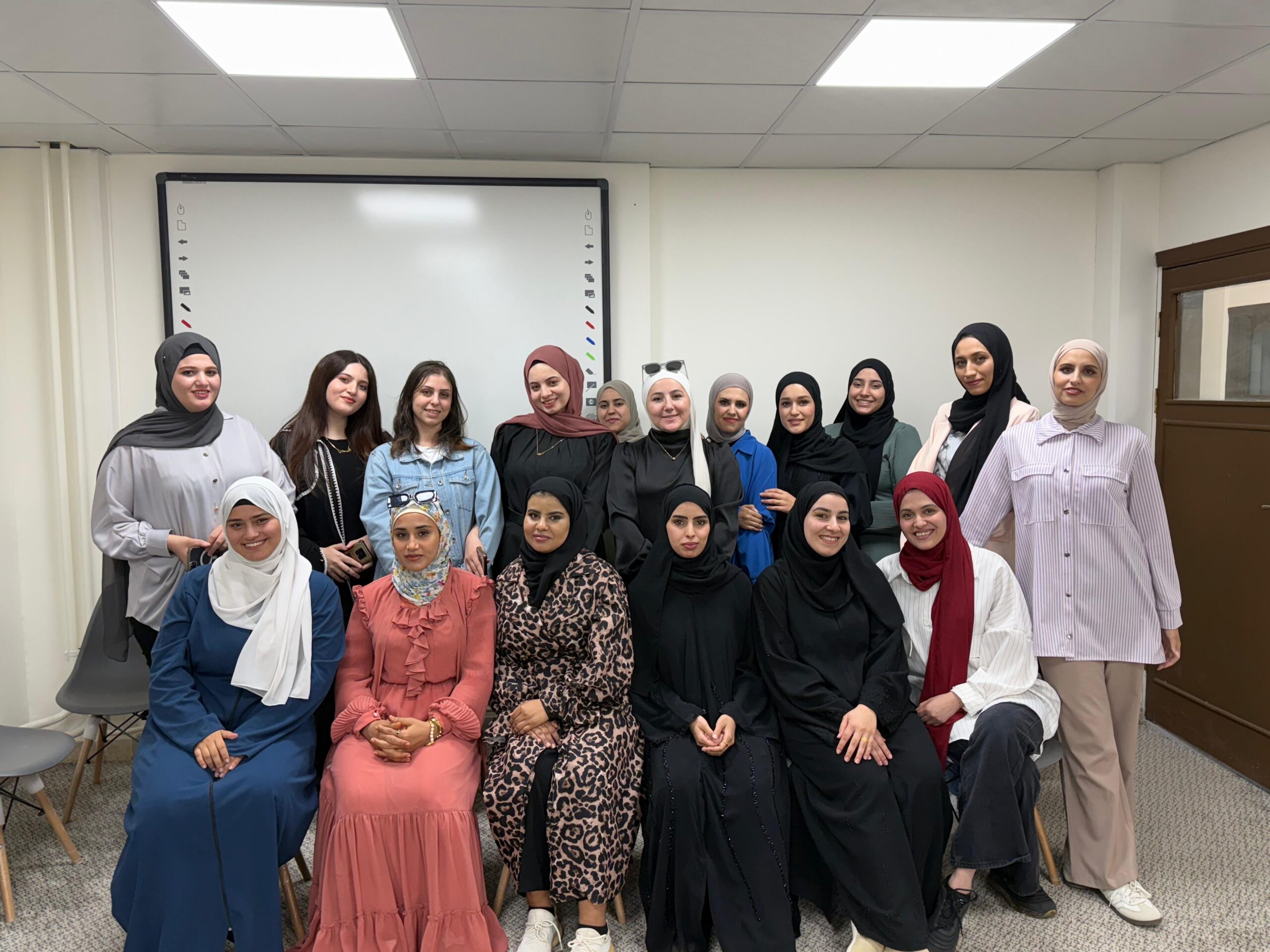
Within this evolving landscape, Pathfinder International’s Improving Leadership and Employability of Underserved Populations in Jordan project works with women and young people to build their skills and connect them to real, sustainable economic pathways.
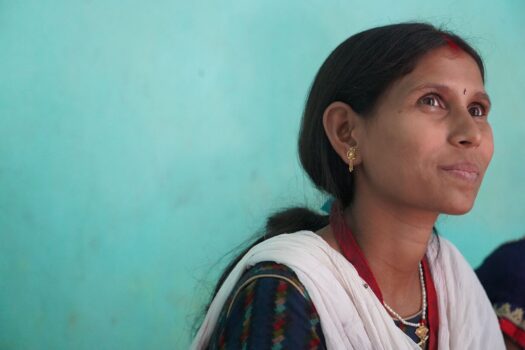
“In a few words, this project is my life. When I came from Syria with my family, there was no escape from our situation and very few social outlets or opportunities. This project has been a breath of new life and comfort for me.”
Changing Systems
Unemployment remains a national challenge in Jordan. Women—particularly those from underserved, refugee, or rural communities—are still disproportionately excluded from economic opportunities, especially in peripheral governorates where access to training, transportation, childcare and professional networks can be limited.
The labor market itself is also changing rapidly. Climate pressures, digital transformation, and shifting national economic priorities are creating demand for new skills and more adaptable career pathways. Because traditional education systems are not adequately preparing the aspiring workforce for the realities of today’s workplace, the gap between what employers need and what employees are equipped to offer is widening.
But change is happening. Across different sectors in Jordan, there is growing recognition that inclusive employment solutions require more than technical training alone. Partnerships between the private sector, trained providers, and community-based organizations are creating more responsive pathways into work—especially for the most vulnerable populations who have historically been left out of economic growth.
Growing Green Futures
A key insight that guides Pathfinder’s work—in Jordan and beyond—is that no group of women has uniform needs and preferences. Some want to move outside the home independently, taking on structured roles in workplaces or cooperatives. Some want to work from home, often due to factors like childcare, household responsibilities, or lack of safe transport. Others want something in between.
Pathfinder’s program strives to accommodate all realities by simultaneously offering on-the-job employment and support for establishing home-based businesses.
“Projects like this are so important — particularly in this part of the country — because so many women spend their days stuck at home. We have a culture of shame that surrounds women working, and this is an opportunity to change that outdated idea. We can also now pass on these skills to our family, friends and community, and prove that we have value beyond our traditional roles.”
Women who choose on-the-job employment are connected to a private sector agri-food enterprise, which provides both income and experience in a formal work environment. Those who choose the home-based entrepreneurial route are fully integrated into the enterprise’s established supply chain and international export contracts. Meanwhile, Pathfinder’s project strengthens market linkages, training, and institutional support.
This flexibility matters: When women are no longer forced into a single form of employment, they have opportunity to earn an income while supporting the green economy. Food production and agriculture already play a central role across internationally funded and implemented programming in Mafraq. But now, women-led production is shifting from informal work into valued, compensated economic activity.
More Than Work: Confidence and Agency
Today, employment is shifting from survival to agency. In Mafraq and other underserved areas of Jordan, this shift is especially significant. As women gain access to technical training and build their skills in communication, teamwork, and problem-solving, they reshape the very workforce that they are entering.