COP26 concluded late last week with 197 countries signing on to the Glasgow Climate Pact, which establishes consensus on the need to cut carbon emissions but gives signatories still another year to say just how they’ll do it.
Across major media outlets, much was made of an eleventh-hour edit to the agreement’s language that replaced the promise to phase out fossil fuels with the softer goal of phasing them down. It’s no small point. In some parts of the world, like the Maldives, anything less than a swift reduction of carbon emissions—and some would say a carbon drawdown—will likely result in the catastrophic displacement of huge swaths of people. And at Pathfinder, we know all too well how such events cascade through health systems, reserving their worst impacts for women and girls.
Still, my own sense on the ground in the UK is that this new pact is much more than just a plan to make a plan. In its details it reflects a strong, even surprising, uptake of the moral imperative to address climate change with urgency, and it offers some clear insights about how we’re likely to get there. Here are three points to concentrate your optimism on while we await the country plans:
The first is that adaptation finally got the debutante treatment it’s been waiting for. A once wonky notion of progressive pragmatism went mainstream at COP26 when it was included as one of the conference’s four headline goals. I suspect this turn in the climate dialogue comes, at least in part, from a growing recognition that the world’s single-minded attention to mitigation was a political bargain that failed some time ago. While we still need big, fast progress on green energy and vehicles, the spotlighting of adaptation is a signal that some power is shifting away from the emitters and toward the people who will suffer most. It’s about survival now, and by this time next year, the Glasgow signatories are expected to say how they’ll fund it.
Another key route to lessening and ultimately surviving the earth’s warming effects will surely lie in radical collaboration. Calls to step out of our siloes and innovate with nontraditional partners were everywhere at COP26. Perhaps that’s a natural feature of this late stage in the climate emergency, but don’t mistake it for desperation; this is simply the shape of effective business today. The Global Covenant of Mayors for Climate and Energy, for example, offers one model for accelerating the finance and implementation of climate projects that can affect great numbers of people without getting mired in the slow churn of international relations. Organizations like Pathfinder, who are experienced at doing more with less—especially across far-flung locales—are among those best positioned to ramp up meaningful climate work coming out of Glasgow.
Lastly, I would call out the pact’s insistence on evidence, transparency, and accountability. The long-awaited naming and shaming of fossil fuels is getting lots of attention, but it won’t amount to anything concrete without detailed enforcement mechanisms in place. And we all know how powerful data has become. Since the 2015 Paris Agreement, developing data standards for benchmarking progress has been voluntary; now all parties are required to inventory and report not only on their emissions but also on the ways they’re mobilizing finances, technology, and capacity to address the climate crisis. The whole world will know who’s doing the work and who’s just making noise. With the proper incentives tied to performance, and the numbers to back it up, this may be one of the most meaningful advancements on climate to date.
The twelve months between now and COP27, in Egypt, will tell us a lot about what the next generation of climate mitigation and adaptation will look like, and I expect much of it to come down to money. Climate finance will be the defining economic shift in our lifetime. If we get it wrong, we risk further entrenching the existing inequalities in race and gender representation that have helped drive the planet to the brink of collapse.
But there’s a pretty simple way to get it right, and that’s by investing in women and girls.
We know already that investing in girls’ education relieves poverty and moves whole economies forward. We know that investments in working women, such as micro-lending, all but guarantee a positive return. While the precedents for how best to carry out climate adaptation are still being established, the precedent for who best to carry it out is abundantly clear.
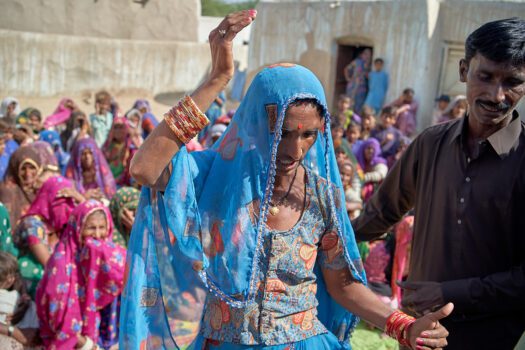
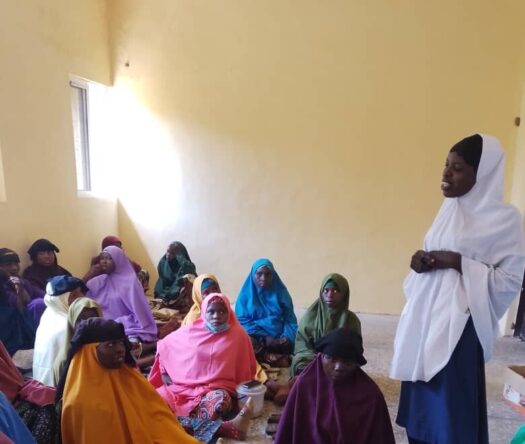
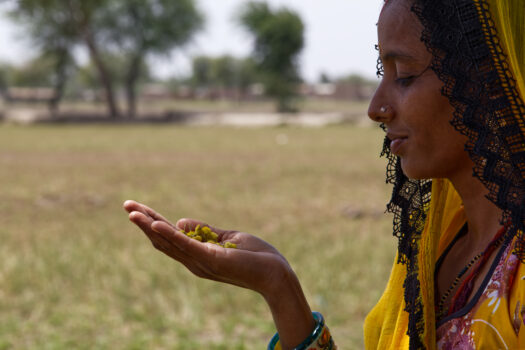
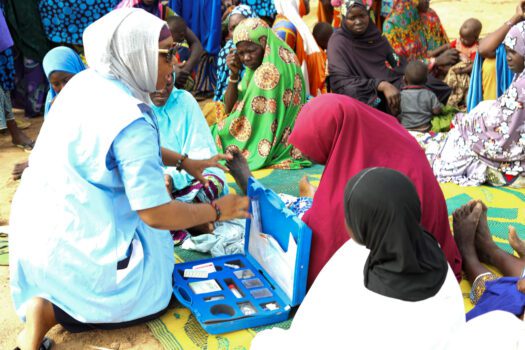
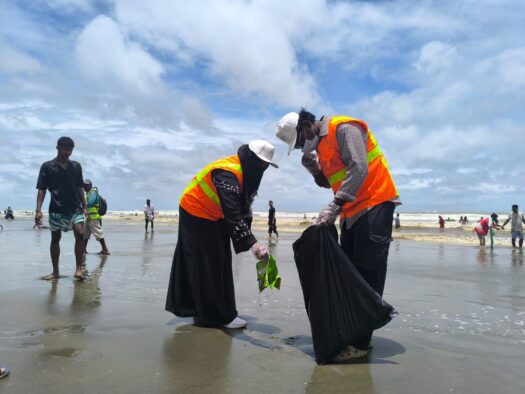
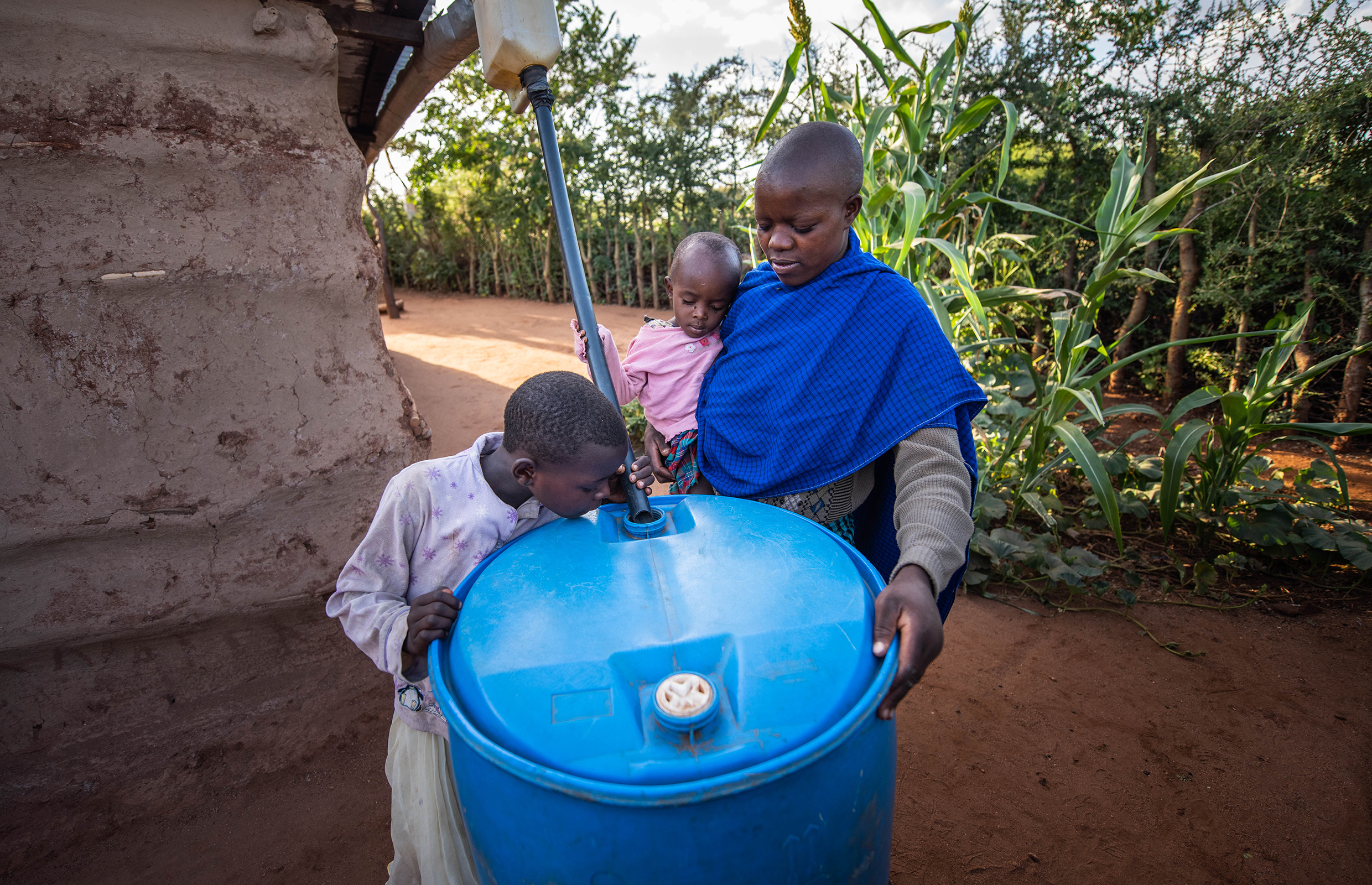
In Bangladesh, Myanmar, Pakistan, and most recently Niger, Pathfinder is among those organizations building from scratch the women-led precedents for thriving in a climate-changed world. For us and for everyone else committed to the cause, the next year will be a flurry of projects, and they will necessarily embrace resilience and adaptation to climate effects that will only worsen over the next decade. It would be easy to call that a kind of fatalism, but there’s much more reason to see great promise instead. In signing the Glasgow Climate Pact, 197 countries have committed, for the first time, to marshaling their collective resources to the aid of the world’s poorest and most marginalized people. The US not only returned to the table but, in fact, doubled down on its commitments. No one ran away from the challenge. Progress moves forward, and we’re moving with it.
Read more about Pathfinder’s women-led climate resilience programs.