PROSANI: Innovation and Impact in the Democratic Republic of the Congo | PROSANI’s Impact | Breaking Barriers to Gender Equality | VIVA: A Creative Toolkit | VIVA’s Results
In February 2025, the US government terminated 83% of USAID programs globally, creating a humanitarian crisis that threatens to reverse decades of progress in global health. These cuts included six programs at Pathfinder that reached millions of people with lifesaving services. These programs created stable health systems; improved access to essential preventive and curative health care services like vaccines and HIV testing and treatment; and created the foundation for women’s economic empowerment.
The scale of devastation is unprecedented. Due to the termination of USAID awards globally:
- More than 47.6 million women and couples are being denied access to modern contraceptives
- An estimated 34,000 additional pregnancy-related deaths will occur in just one year
- Every day, 130,390 women lose access to contraceptive services
- Up to 4 million additional people could die from treatable diseases in Africa alone
Pathfinder’s Programs: What We Lost
Pathfinder received termination notifications for all six of its prime USAID awards. These programs represented over 50% of Pathfinder’s operating budget.
| Project Location and Name | Total Value | Health Facilities Supported |
| BURKINA FASO PREPARE-Burkina | $35M | 160 |
| MOZAMBIQUE Improved Family Planning Initiative | $40M | 485 |
| PAKISTAN Building Healthy Families | $40M | 2,309 |
| UGANDA Family Planning Activity | $24M | 313 |
| Egypt OSRA and Women’s Economic and Social Empowerment | $82M | 625 |
In just one year, these terminated programs:
- Averted 923,557 unintended pregnancies
- Provided 2,318,709 family planning consultations
- Prevented 276,322 unsafe abortions
- Assisted with 175,539 safe deliveries
- Treated 387,864 children for pneumonia and diarrhea
- Trained 3,150 women in financial literacy
But Pathfinder’s work will continue.

PROSANI
Innovation and Impact in the Democratic Republic of the Congo
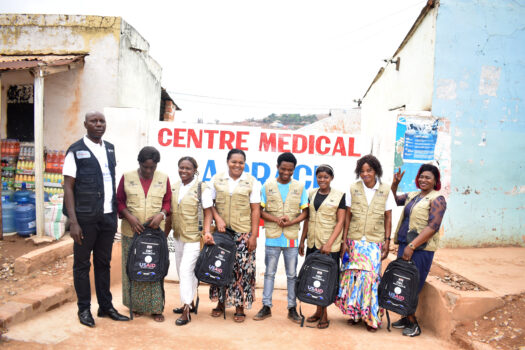
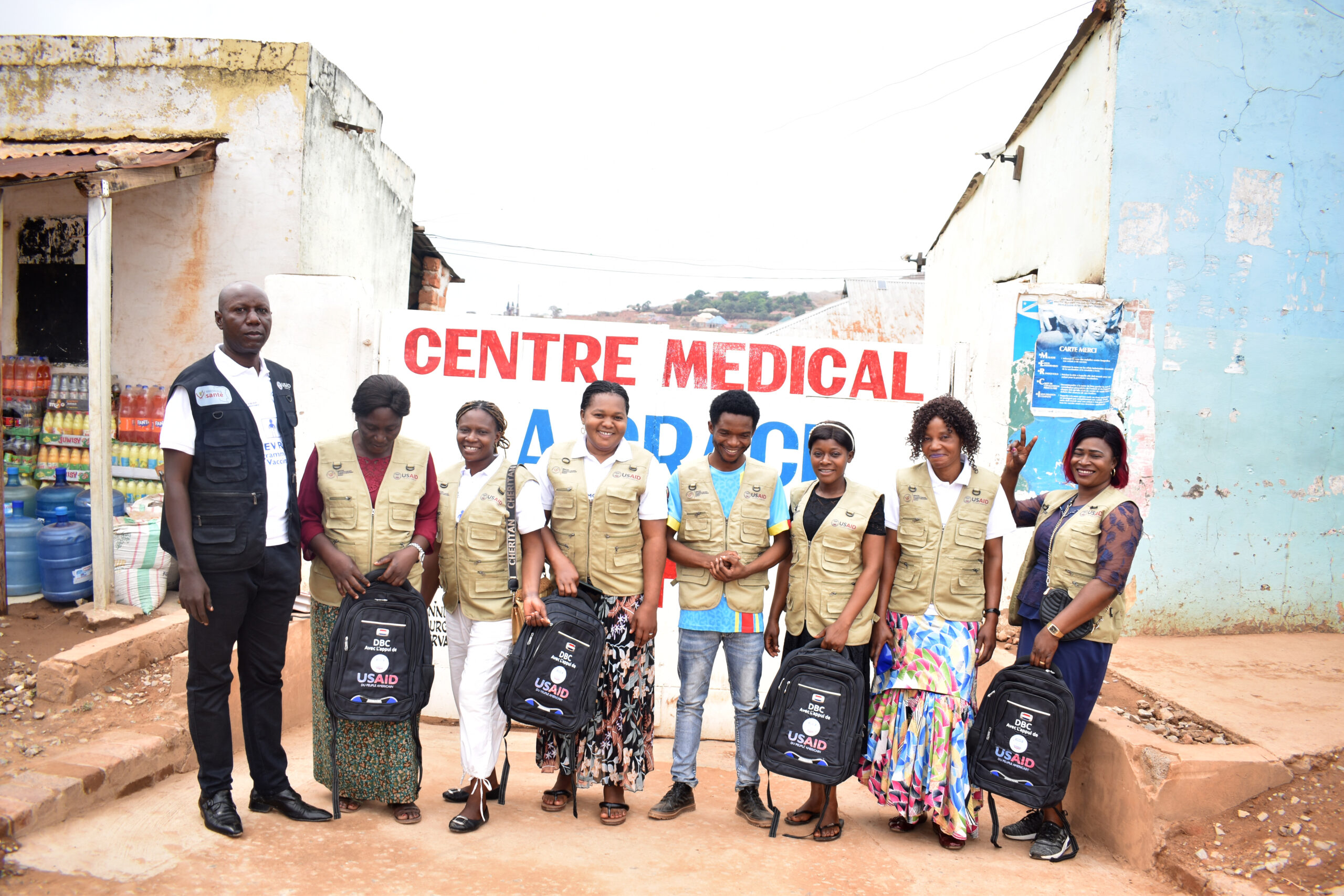
Photo: Staff at a medical facility supported by PROSANI.
In the heart of Democratic Republic of the Congo (DRC), where health systems face profound challenges, USAID’s Integrated Health Program, locally known as “PROSANI,” became a prime example of innovative health care delivery. The seven-year program operated across nine provinces in DRC, working to bring essential health services to people in the country ’s most underserved regions.
Pathfinder played a primary role in the program’s work related to family planning, maternal and newborn health, adolescent and youth sexual and reproductive health, social and behavior change, and gender equality interventions.
DRC Health Trends
- Severe health worker shortages—Only 1 health worker is available to serve 1,000 people (at least 4 per 1,000 is the minimum international standard).
- High risks to newborns and pregnant women—the newborn mortality rate is 24 deaths per every 1,000 live births; the child mortality rate is 55 per every 1,000 live births; and the maternal mortality rate is 427 deaths per every 100,000 live births. These rates are some of the highest in the world.
- Endemic malaria—In 2022, almost 25,000 people died of malaria.
Earlier this year, Pathfinder helped partners close the program. However, like the majority of USAID-funded programs, PROSANI was impacted by the “stop work” order just as the team was working to finish its final documentation of the program.
PROSANI was able to reach 9,047,053 individuals who had not used contraceptives before.
Over seven years, PROSANI had broad impacts.
Pathfinder’s contributions included:
Increased Participation of Women in Leadership Roles
PROSANI made notable contributions to promoting gender equity in the DRC’s health system. One of the key successes was the increased participation of women in leadership roles in health committees and community health worker networks. By the end of the program more than 40% of “cellules d’action communautaires” (community action groups) revitalized by PROSANI were led by women (up from less than 1% at the beginning of the program), marking a significant step toward gender parity in local health governance.
Establishment of gender units within the health sector, in collaboration with the Ministry of Gender
To further integrate gender equity in health services, PROSANI established gender units in all provincial health offices and several health zones. These units were tasked with addressing gender disparities in health care access and decision making. This innovation strengthened the capacity of the Gender Ministry to support integration of gender in other sectors. In total, 61 units were established, ensuring the engagement of women and the elevation of their voices.
Revitalization of Community Action Groups
One of Pathfinder’s interventions involved revitalizing Community Action Groups (CACs), groups of local community members that helped execute program activities. The program supported over 5,000 of these groups across nine provinces—1,539 of these, or 30.7%, were managed by women. This reduced discrimination against women and improved women’s involvement.
Increase of Community-Based Service Distribution
Pathfinder also worked to build cadres of community-based service distributors (CBDs) through nursing school programs. The program was able to reach 9,047,053 individuals who had not used contraceptives before, of which 1,628,469 (18%) were reached by the CBD students. Pathfinder also supported over 10 million pregnant women attending antenatal care visits, facilitated 9 million births with skilled attendants, and provided essential newborn care to over 1.3 million children.
Breaking barriers to gender equality
At its core, PROSANI addressed the fundamental governance and infrastructure challenges that have long hindered health care delivery in DRC. When the program began in 2018, it faced a public health system with severe limitations: lack of electricity, poor internet connectivity, limited cellular communication, wide variations in medicine and equipment availability, and insufficient staffing.
These challenges demanded creative solutions beyond traditional approaches. For Pathfinder, it meant promoting gender equality and women’s empowerment, through targeted interventions that addressed harmful gender norms and helped elevate women’s autonomy in financial and health decision-making.
To address gender barriers, PROSANI used an existing gender framework to inform its interventions in support of strengthening gender equality in institutions and communities.
The VIVA Campaign
Reimagining Community Health Education
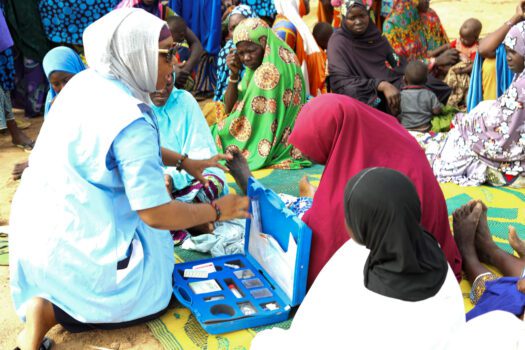
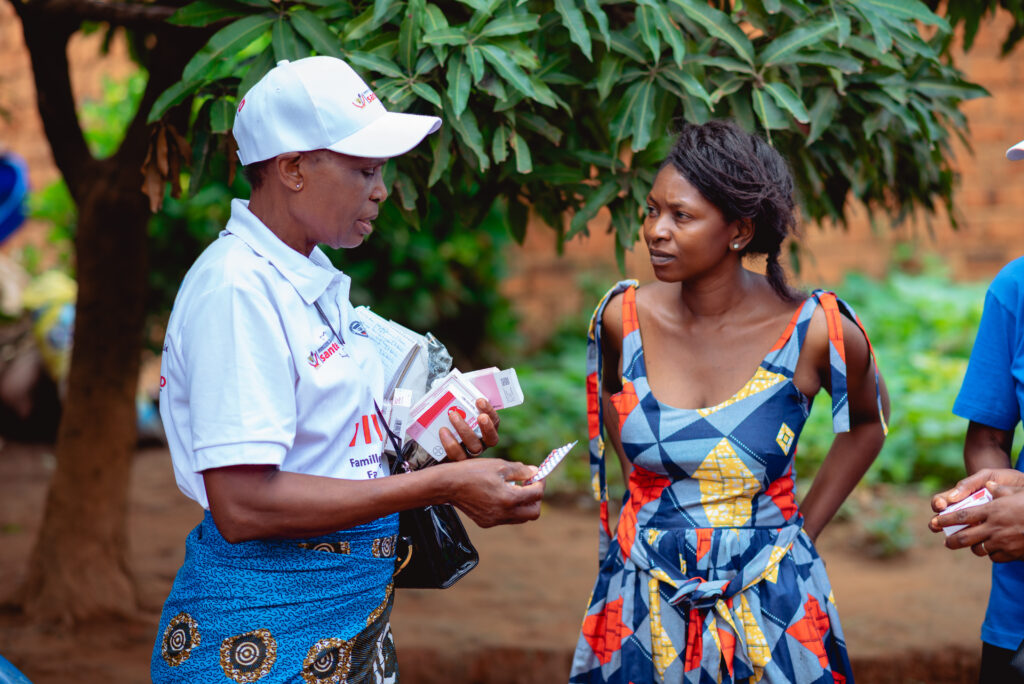
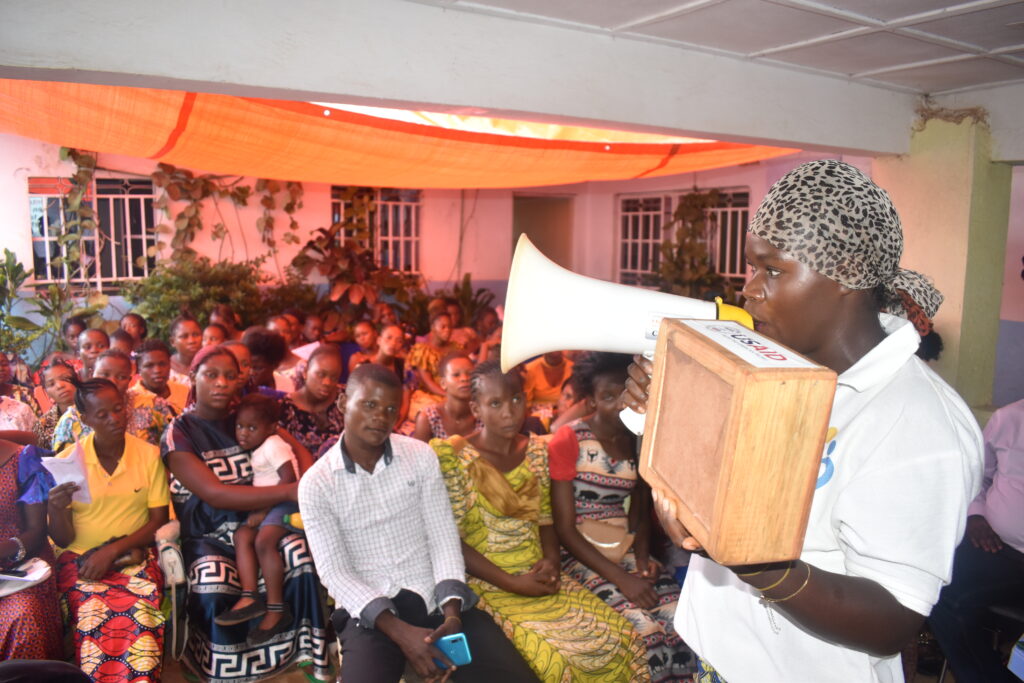
Photo: At a meeting with community members, a staff member holds up a ”savings box,” given to families to increase their health care savings.
PROSANI’s VIVA! Healthy Family, Thriving Family campaign was a dramatic departure from conventional health education models. VIVA addressed knowledge gaps in health education while tackling economic and cultural barriers to health care access. The campaign worked in all nine provinces and transformed how communities engaged with health services.
A creative toolkit: VIVA’s innovative activities
VIVA introduced several groundbreaking activities, including:
- Savings Boxes: Families received small containers specifically for health care savings, keeping these costs at the forefront of families’ minds, and addressing financial barriers to treatment.
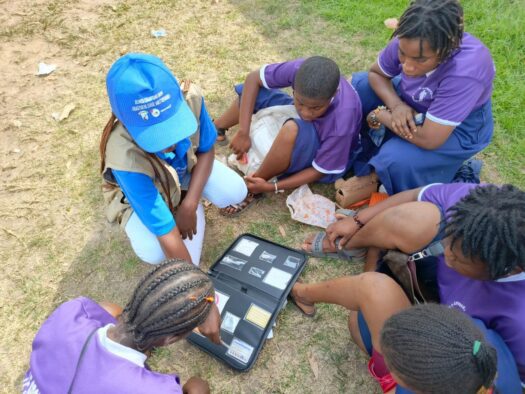
- Cost Comparisons: This exercise, accompanied by worksheets and other visual aids, helped participants identify everyday non-essential purchases that cost the same as essential health services. Community members quickly realized that health services were often no more expensive than items they routinely purchased.
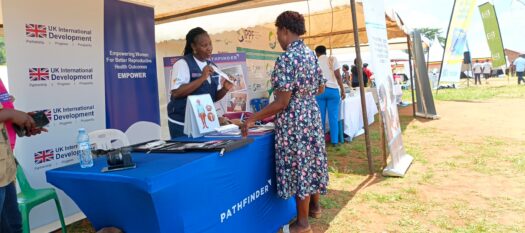
- Couples Parties: These sessions brought husbands and wives together for health-focused games and discussions around family planning, antenatal care, and other critical topics. During the events, couples interested in access to family planning, or learning more information about various methods, could approach a private table/tent with a professional counselor.
- Market Quizzes: Community health workers conducted engaging quiz sessions with vendors and shoppers in busy marketplaces, sharing information on critical health topics.
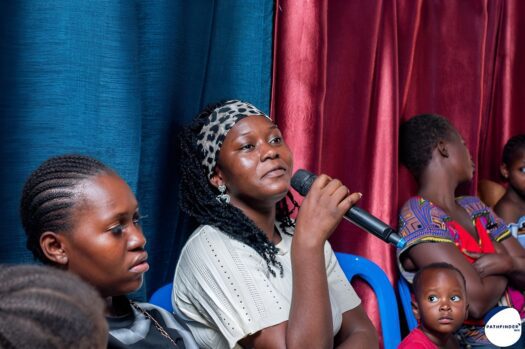
- Healthline 42502: Listening groups met to discuss health messages available through a toll-free service, combining information access with community conversation.
A Model for the Future
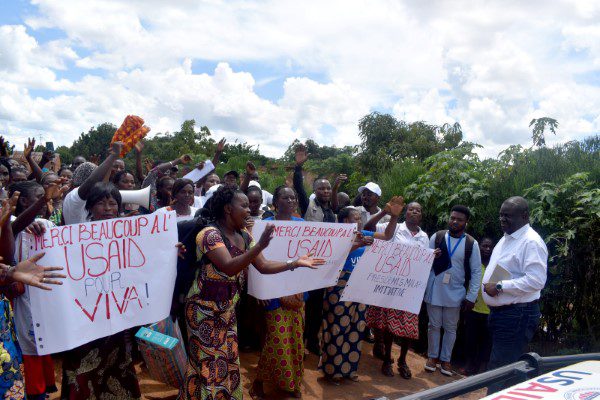
The VIVA campaign represents an important model for future health programs—one that recognizes health behaviors are shaped by more than just knowledge. By addressing financial barriers, social norms, and practical obstacles through creative engagement strategies, VIVA achieved what many traditional health education campaigns could not.
In the face of funding cuts and global health challenges, the lessons from PROSANI in DRC offer a blueprint for maximizing impact with limited resources.
Campaigns conducted by PROSANI, including VIVA, yielded impressive results!
- Reached over 115 million people through outreach activities, including multimedia campaigns, international day celebrations, home visits, and community debates.
- Established 61 gender units and raised awareness among 179,380 people on gender-based violence and women’s rights.
- Contributed to 9 million people using modern contraceptive methods for the first time (115% of target achieved).
- Engaged more than 71% of community health workers in family planning campaigns that significantly improved access to contraception.
These stories originally appeared in the July 2025 edition of Pathways. Read the full newsletter here.
To receive the next edition of our Pathways newsletter in your mailbox, please consider making a one-time donation of $25.