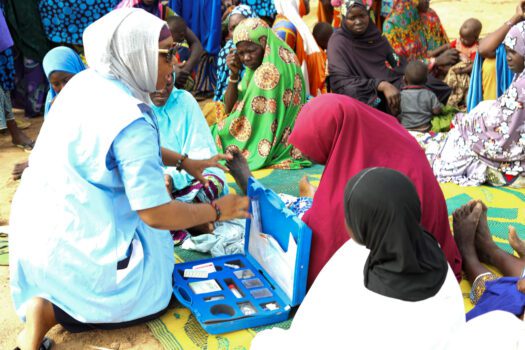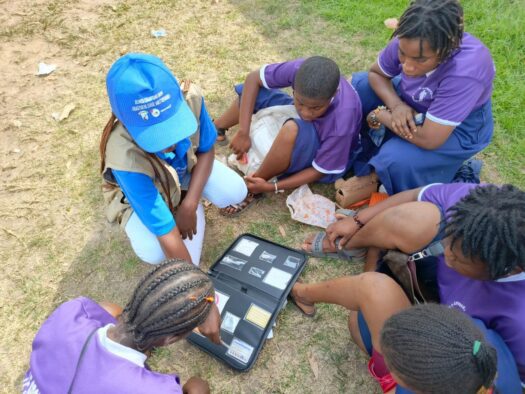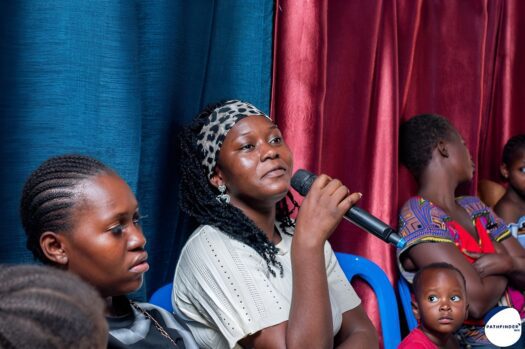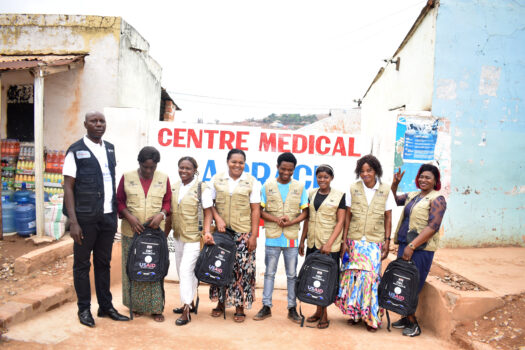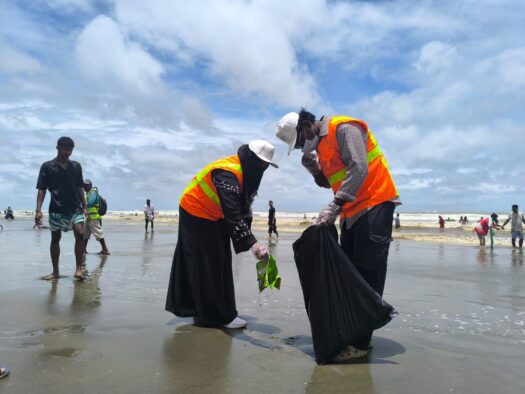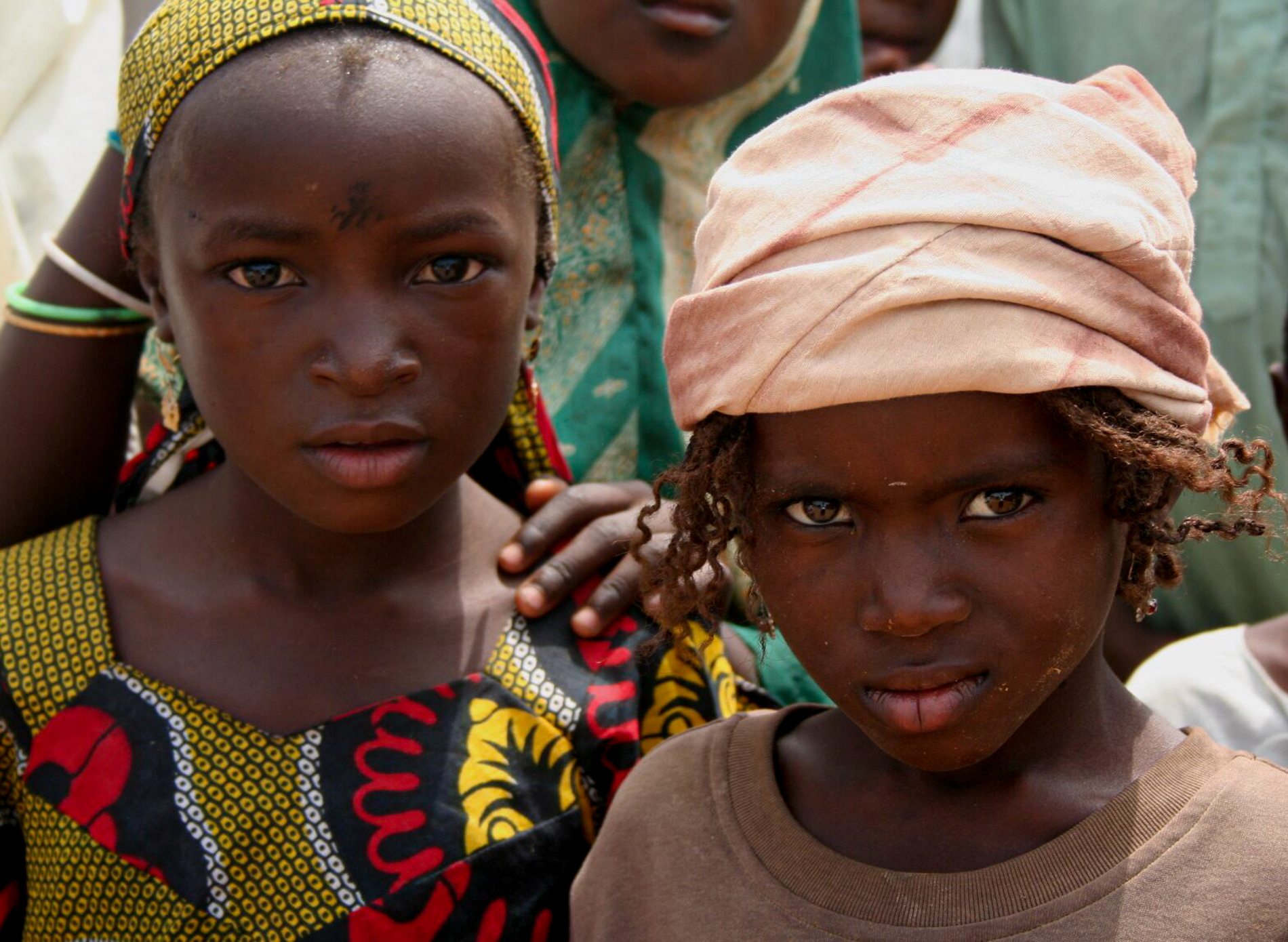
Evidence from the early months of the COVID-19 pandemic indicates that there will be unequal and disproportionate impact of the COVID-19 pandemic on women and girls. Past disease outbreaks, including the 2014-2016 West Africa Ebola outbreak, demonstrated the myriad ways disease epidemics exacerbate gender inequities and gender-based violence, as well as provide clues on steps that can be taken to mitigate them.

Women comprise the majority of the frontline health workforce. Women health workers involved in pandemic response and mitigation have unique sexual and reproductive health needs—for example, they may be concurrently pregnant, breastfeeding, or menstruating.
- Women represent 70 percent of the health and social sector workforce globally.
- Pre-pandemic, women provide three times the amount of unpaid home labor as men.
- Reports of intimate partner violence have increased by 30% – 60% over the span of weeks in most countries with active COVID-19 outbreaks.
- Family planning, pregnancy termination, menstrual hygiene, and other essential health services are already harder to access and supply due to strain from the pandemic response.
- Extreme pressures on health providers and overburdened health facilities increase the risk of abuse and disrespect during sexual and reproductive health service provision, including the risk of obstetric violence.

Women also face acute psychosocial needs given the unequal and overwhelming burden of emotional and household labor that they shoulder around the globe. Past outbreak experience has shown there will likely be long-term negative costs to women and girls post-crisis, including to girls’ school enrollment and women’s empowerment broadly.
Tragically, times of crisis and stress provoke an escalation in gender-based violence, particularly intimate partner violence, exacerbated by closure of and limited access to existing gender-based violence services. Stay-at-home orders limit women’s ability to find space or avoid volatile moments with their partners, increasing their exposure to violence.
Local systems that protect women and girls such as women’s groups and community food distribution to the most vulnerable, are more critical than ever in protecting women and girls from social risks imposed by COVID-19. These community structures will need to find new and creative ways of operating to remain effective while also supporting pandemic response efforts such as physical distancing. Communities must work together to preserve sexual and reproductive health and rights, to protect women’s and girls’ well-being, and to limit backsliding in gender equality.

The basic rights of choosing if and when to have a child, and the ability to receive respectful, skilled care during pregnancy are core elements of protecting women’s and girls’ health and preventing them from contracting covid-19. Yet, access to these services depends on functioning health systems.

Early and sustained action to ensure continued access to sexual and reproductive health services is vital to mitigating the long-term consequences this pandemic may have on the lives of women and girls, and gender equality more broadly. As we all scramble to identify new ways of living and working, and as we seek systems and regulations that will slow the spread of the virus, we urge communities to:
- Emphasize and disseminate messages about staying home and managing school closures that encourage gender-balanced household duties.
- Seek and enable women’s and girls’ participation in response planning, including engagement with local women’s rights groups. Increase support to women-led community-based organizations and women’s community support organizations. Remember community and social work group members’ needs for personal protective equipment.
- Proactively plan for supply disruptions of key commodities, such as contraception, and plan for increases in unintended pregnancies and gender-based violence. Advocate for gender-based violence response to be classified nationally under essential services and worker categories.
- Take time to develop creative, safe community outreach systems compatible with physical distancing. Due to the pandemic’s first wave emergence in middle- to high-income countries such as China, Iran, Italy, and the US – there is little to no existing guidance on how to accomplish this in low-resource settings. Even lessons from the Ebola epidemic are only somewhat helpful as the different routes of transmission are resulting in different physical distancing orders being put in place. Document and share what does and doesn’t work.
- Enhance and/or safely provide refresher sensitization for health workers, police workforce, and community-based organizations on the risks of involuntary disclosure of intimate partner violence. Deter messages to mobile phones that may alert an abuser that their partner has shared experience of violence with others; increased isolation of households also increases risk of mobile phone discovery and monitoring.
- Reinforce the importance of respectful care and informed consent for all sexual and reproductive health services. Reinforce safety and appropriateness of skin-to-skin contact and exclusive breastfeeding even in COVID-19 positive mothers.
- Advocate for and complete collection and documentation of sex- and age-disaggregated information for COVID-19 response needs and impact. We need to be mindful and develop action plans that respond to unequal gender ratios in unemployment figures, in health and social work provider ratios, and existing gender dynamics such as rates of woman-headed household and prevalence of gender-based violence.

There is no single solution to the pandemic. Each country and community will need to find their own path forward—drawing on evidence and working collectively and creatively to protect the population. We call on each and every person to remember the women and girls….remember they will face more than 50 percent of the burden of this epidemic….remember the impacts go far beyond acute illness. Stand by women and girls. Stand up for them. Stand with them.