By Mengistu Asnake and Rispah Walumbe. This article first appeared in SciDev.net, a global source for news, opinions, and analysis about science and technology for global development.
The economic case for investing in health systems has never been stronger, yet progress toward Universal Health Coverage (UHC) has stagnated since 2015. The 2023 WHO UHC monitoring report reveals a stark reality: 4.5 billion people – more than half of humanity – still lack access to essential health services, while 2 billion face devastating financial hardship from healthcare costs. With 1.3 billion people pushed into poverty annually by out-of-pocket health expenses, emerging challenges from climate change and pandemic threats demand a renewed approach to health system strengthening (HSS).
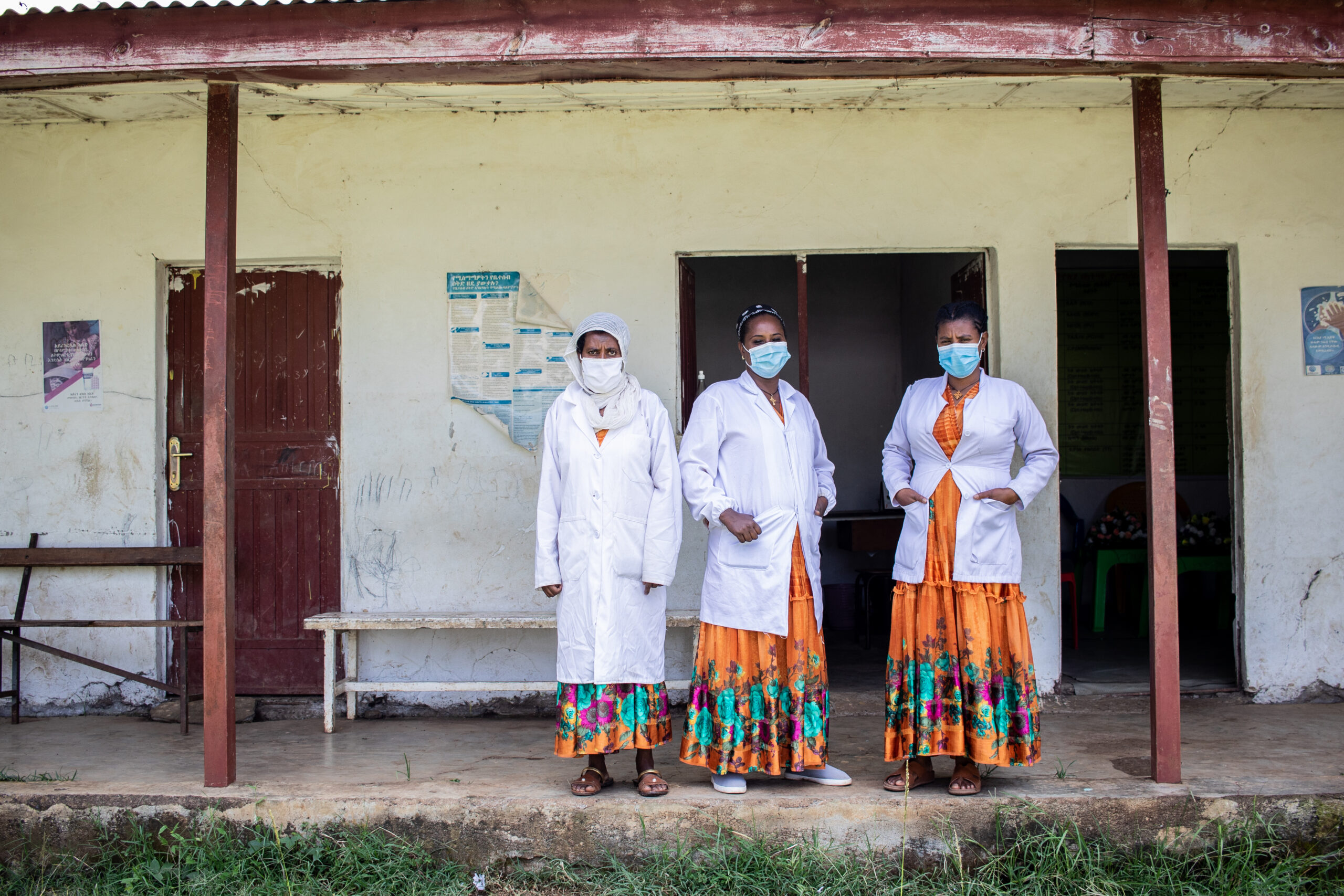
In Africa’s diverse health systems, we witness both challenges and innovations daily. While health workers in Ethiopia’s rural communities show remarkable resilience despite limited resources, Kenya has taken bold steps by instituting stipends for Community Health Promoters (previously “volunteers”), to advance their UHC agenda. These promoters forge vital links between formal systems and local communities. Yet despite such progress, many efforts still operate within fragmented systems struggling to deliver comprehensive care.
The stakes are clear. Recent analysis by The Lancet suggests a greater than 20% chance of another pandemic causing at least 25 million deaths in the next decade, while the life expectancy gap between Africa and developed regions remains as high as 22 years. These disparities reflect not just system weaknesses, but also missed opportunities for strategic investment and systematic improvement.
Our work across Africa demonstrates effective approaches to health system strengthening. Ethiopia’s Transform: Primary Health Care project improved service delivery and health-seeking behaviors, trained over 110,000 health workers serving 57 million people. Similarly, in Kenya, Amref Health Africa’s Primary Care Networks show how better resource distribution between primary and higher-level facilities can improve care quality through multidisciplinary teams and enhanced accountability systems. Their digitization efforts highlight the potential for technology to improve resource management and care delivery.
Our work across Africa has shown that strengthening health systems requires both vision and pragmatism. In Ethiopia, through the Transform: Primary Health Care project, we saw how targeted investments in primary healthcare can transform communities by improving quality of service delivery across the continuum of primary health care, improving household and community health practices and health-seeking behaviors, training health workers, and strengthening program learning to impact policy and activities related to the prevention of child and maternal deaths. Similarly, in Kenya, Amref Health Africa’s Primary Care Networks (PCNs) show how better resource distribution between primary and higher-level facilities can improve care quality through multidisciplinary teams and enhanced accountability systems. Their digitization efforts highlight the potential for technology to improve resource management and care delivery.
Strategic Priorities
Recent analysis suggests that countries could reduce premature mortality by 50% over the next 25 years through focused investments in health systems. This ambitious goal, while challenging, is particularly crucial given we are likely to miss many 2030 Sustainable Development Goal health targets. However, meaningful progress is achievable with strategic action.
First, we must strengthen people-centered primary healthcare systems, focusing on high-impact interventions that address the most pressing health needs of the communities we represent. This includes ensuring essential medicines are available and affordable while supporting health workers with necessary skills and resources.
Second, recognize the need to strengthen multisectoral approaches and partnerships that view the health system through the lens of a collaborative effort, rather than operating within a vacuum. The health, peace and prosperity of our communities is determined by a multitude of factors that can only be collaboratively addressed across different sectors.
Third, we need to build more resilient health systems capable of maintaining essential services during crises. This means investing in emergency preparedness, strengthening supply chains, and developing flexible service delivery models.
Fourth, we must leverage digital technologies thoughtfully and equitably. While technology alone cannot solve health system challenges, strategic digital investments can enhance service delivery, improve data use, and extend healthcare reach.
Moving to Action
The 2024 UHC Day theme, “Health: It’s on the government,” underscores governmental responsibility, but success demands broader engagement. The AHAIC Commission reports that while 93% of African countries include UHC in health sector policies, only 37% have formal commitments beyond the health sector. This gap highlights the need for a whole-of-society approach, with civil society organizations playing a crucial role in maintaining accountability.
Effective leadership drives transformation, as seen in Ethiopia’s Transform: Primary Health Care project, where strong national and regional coordination enabled widespread health system improvements: training over 110,000 health workers and ultimately serving more than 57 million people. When local voices shape health services and community needs guide implementation, we witness the emergence of healthcare systems that truly serve their populations. The private sector’s expertise in supply chain management and digital innovation, when thoughtfully applied, can further strengthen these systems while maintaining accessibility. Looking ahead, achieving UHC is not just an aspiration but an imperative. Through focused investment, strategic partnership, and unwavering commitment to equity, we can build health systems that serve everyone. The challenges are significant, but the path forward is clear: strengthen primary healthcare, embrace innovation, and ensure no one is left behind.
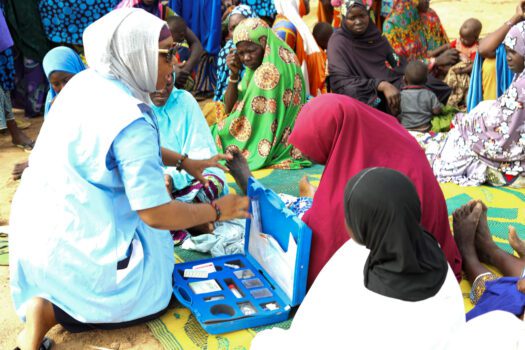
Pictured: Health extension workers at health post open house at Wendatta Kebele, Bahirdar Zuriya, Amhara region, Ethiopia.