#16Days of Activism Against Gender-Based Violence
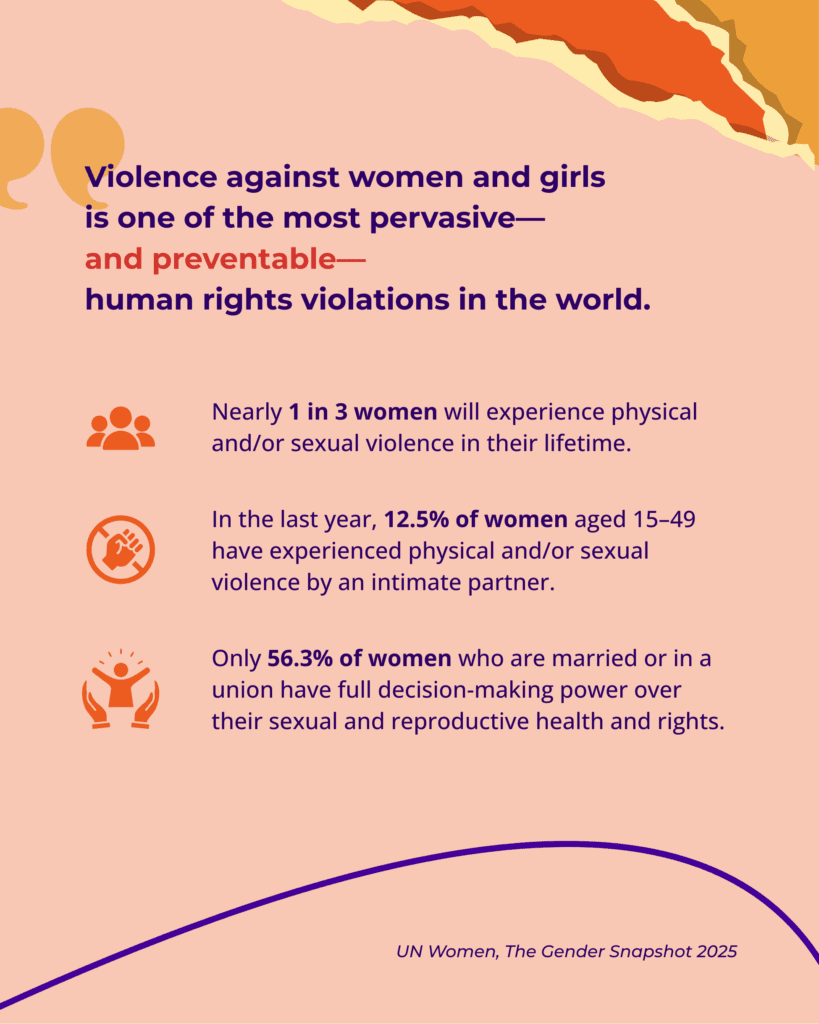
Violence against women and girls is one of the most pervasive—and preventable—human rights violations in the world. This crisis is exacerbated by another: climate change.
Climate change and climate-induced emergencies—and their downstream effects on income, nutrition, water, and access to health services and products—are linked to increased rates of gender-based violence, child marriages, and poor sexual and reproductive health outcomes. Because climate change poses a disproportionate threat to the health and livelihood of women and girls, shifting harmful gender norms and practices among climate-vulnerable communities is critical.

That’s why, in honor of this #16Days of Activism Against Gender-Based Violence, we’re highlighting our new Toolkit for Applying a Gender-Transformative Approach to Women-Led Climate Resilience. This toolkit provides practical guidance for promoting women’s leadership and agency in improving community resilience to climate change and expanding access to quality health care.
Why are women and girls more affected by climate change?
Today, nearly 48 million more women than men face food insecurity and hunger. By 2050, climate change could drive 158 million more women and girls into poverty—16 million more than the anticipated number of men and boys. Some driving factors:
- Women are often responsible for gathering food, water, and fuel. As resources become scarce, women must work harder and travel farther to access them, hindering their economic pursuits and forcing girls to leave school.
- Climate change disrupts access to health care as women’s health threats proliferate. For example, rising temperatures are linked to stillbirths and transmission of vector-borne diseases.
- Climate-induced stress fuels rising rates of gender-based violence, including femicide, intimate partner violence, and child marriage.
How does the toolkit help?
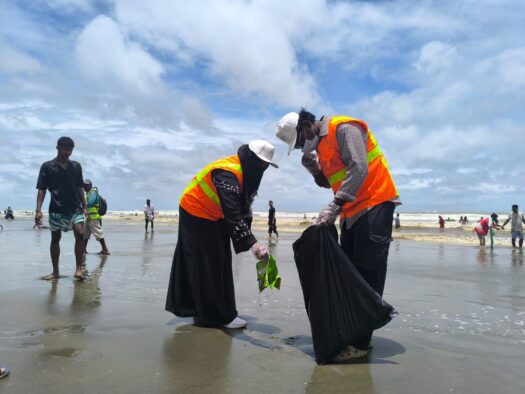
While climate change programs often acknowledge the role of gender in differential outcomes for women and men, little guidance exists on how to develop programs that explicitly target these disparities while also promoting the leadership of women and girls. This toolkit provides practical resources, tools, and insights to fill this gap, based on Pathfinder’s experience implementing a women-led climate resilience program in Bangladesh and Pakistan.
What does the toolkit look like in action?
Our gender-transformative approach to women-led climate resilience is rooted in collaborative design and co-implementation. Through working closely with members of the community, local organizations, and institutional partners, we developed a five-pronged approach for improving gender equity across the individual, household, community, and institutional levels:
- Examine how harmful gender norms and social expectations lead to disparities in power and access to resources
- Work with communities to promote more equitable gender norms
- Elevate the position of women, girls, and marginalized groups
- Target the social structures and policies that perpetuate gender inequality
- Engage boys and men as allies for achieving gender equality
This approach resonated—and sparked tangible, lasting change among climate-vulnerable communities in Bangladesh and Pakistan. This change was driven by community volunteers called Climate Champions.
Chandi and Mohin
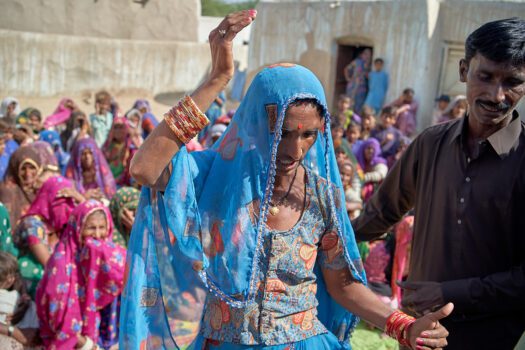
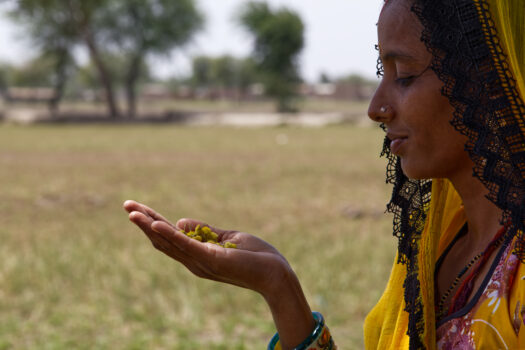
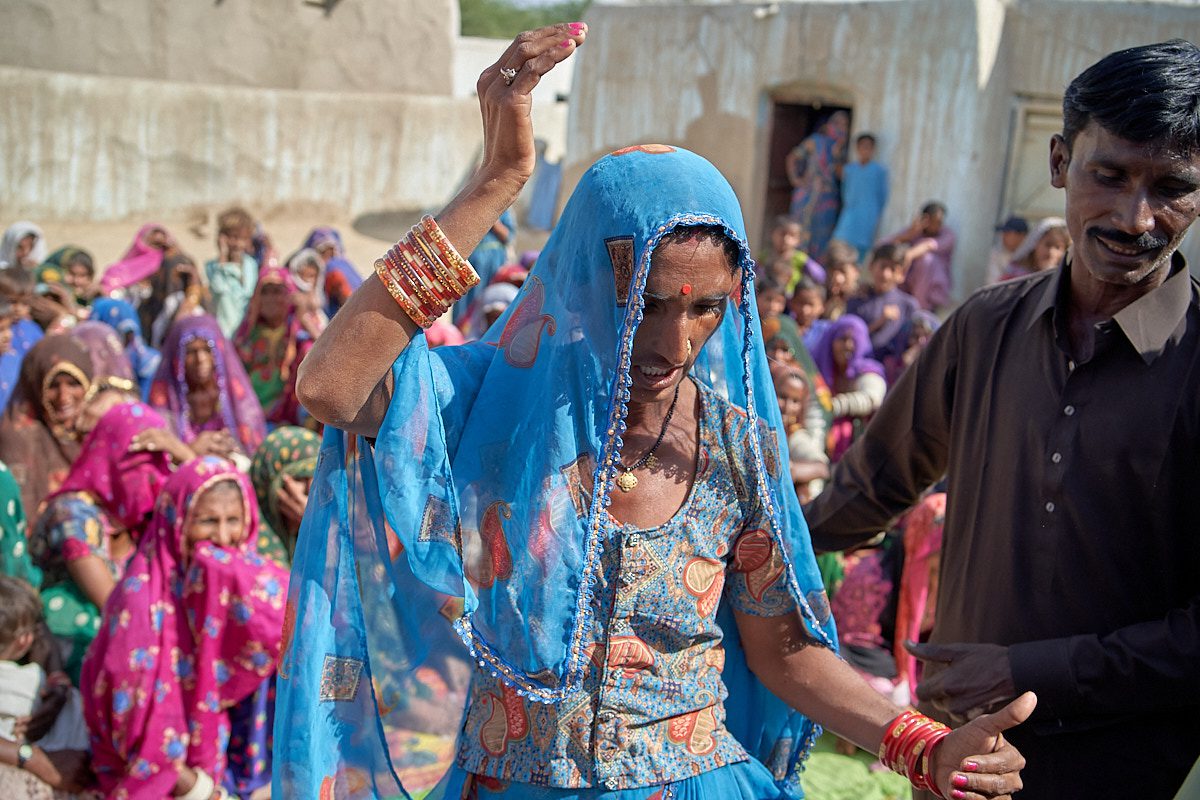
Climate Champions Chandi and Mohin, a married couple, live in Umerkot, Sindh, Pakistan—an area experiencing increasingly frequent droughts and floods.
After participating in a workshop that brought together women, girls, men, and boys to discuss and challenge harmful gender norms, they were inspired to volunteer for Pathfinder’s Surmi Ke Sur, a community theatre initiative where men and women performed together, raising awareness about the impact of climate change on women and girls, speaking out against child marriage, and changing the way the community viewed traditional gender roles.
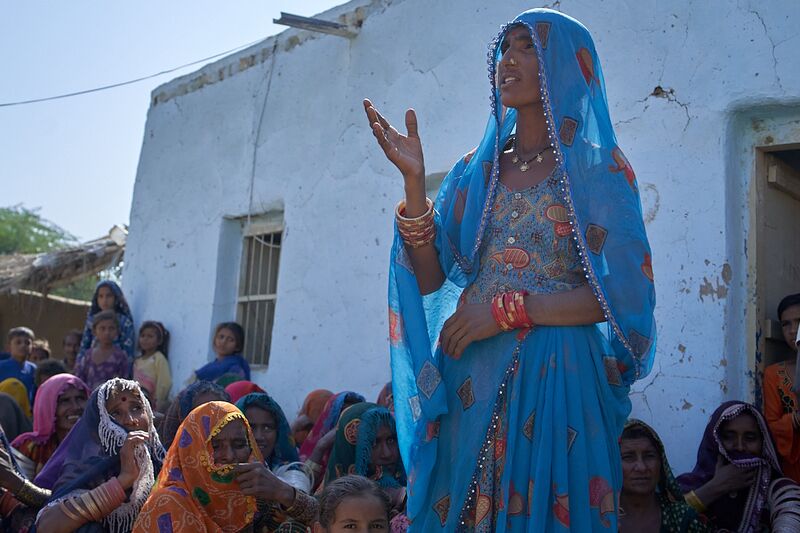

Today, Chandi is a community leader, and Mohin’s models and encourages men’s and boys’ allyship. Together, they have performed in over 50 community theater events, facilitating important conversations and catalyzing real change in attitudes and behaviors around gender equity.

read our toolkit for more on our CLIMATE CHAMPIONS’ impact
This toolkit will walk you through the three phases of our GTA approach: (1) Collaborative Design, (2) Co-implementation, and (3) Monitoring, Evaluation, and Learning. For each phase, you will find practical guidance, links to relevant tools and templates, and real-life examples of these concepts in action.