On this International Day of Action for Women’s Health, let’s listen to women and invest in health care that they want and need.
At Pathfinder International, we work toward a world where all women and girls can shape their own futures and lead healthy lives. Access to essential health care—from reproductive health and family planning services to immunizations, cervical cancer screenings, and maternal health care—helps women to stay healthy and make informed decisions about their futures.
On this International Day of Action for Women’s Health, it’s evident that one day simply isn’t enough. Ensuring women’s access to health care—through the most challenging circumstances—requires sustained, year-round action from every stakeholder in the health system. But most of all, it requires that we listen to women about what they want, work alongside them to address systemic barriers, and invest in integrated services that respond to their unique needs.
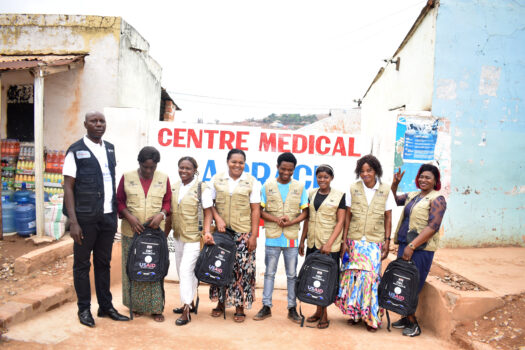
Today, we’re highlighting three innovative programs from Nigeria, Tanzania, and Bangladesh that are improving maternal health through community action. When communities commit to safeguarding maternal health, more women survive and thrive—and sustainable progress becomes possible.
Saving Women’s Lives Through Women-Led Maternal & Newborn Health Innovations in Nigeria
For more than a decade, the health system of Borno State, Nigeria has weathered the impacts of insurgency, including high rates of maternal mortality. However, a change is taking place—sparked by women of Borno State themselves.
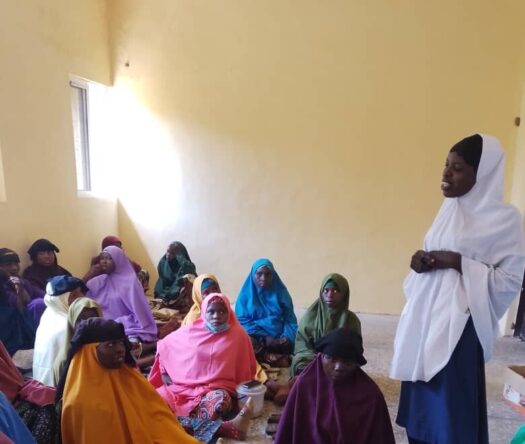
In close collaboration with the Borno State Ministry of Health and the Borno State Primary Health Care Development Agency, Pathfinder introduced group antenatal care across 121 health facilities. This initiative brought together pregnant women to spend quality time understanding their own health, preparing for birth, and discussing family planning and male involvement in their care.
In contrast to the traditional antenatal care model, which centers one-way interactions where health workers give instructions to clients, this approach made antenatal care more participatory, and driven by the voices and needs of women.
As a result, more than 21,000 women in Borno State delivered at health facilities, and 85% of deliveries were assisted by skilled birth attendants. Most importantly, as women found community through their group antenatal care sessions, they also rebuilt trust in the health system. Postnatal care coverage rose, postpartum family planning uptake increased, and communities were reconnected to care.

From Group Antenatal Care Participant to Ambassador for Maternal and Newborn Health
Yagana, 32, enrolled in group antenatal care with 11 other women at Abbaganaram Clinic in August 2022. She credits group support for her first-time decisions to access antenatal care, give birth in a health facility, and adopt postpartum family planning. Yagana’s experiences—and her family’s improved health—inspired her to connect other women in community with maternal and newborn health care.
“My group members bestowed me the group chairperson role, which then saw me rise to the cadre of a community health volunteer,” said Yagana. “I am a proud ambassador for maternal and newborn health.”
What began as a promising pilot in a fragile state is quickly becoming a model for evidence-based, equity-driven, and locally led maternal health reform.
Now, Pathfinder Nigeria is building on the foundation laid by the introduction of the group antenatal care model by embedding evidence-based maternal health interventions into routine care across Borno State.
As part of these efforts, Pathfinder is working with the Borno State Ministry of Health to scale up the Postpartum Hemorrhage Bundled Treatment—an innovation previously piloted in other regions of Nigeria, as well as Kenya, Tanzania, and South Africa. This bundled approach, which combines the use of uterotonics, tranexamic acid, uterine massage, and non-pneumatic anti-shock garments, is being integrated into care to address one of the leading causes of maternal mortality.
Through this initiative, Pathfinder is also reducing delays in care for women, streamlining referrals, and improving access to comprehensive emergency obstetric and newborn care. Training is being cascaded from national master trainers to state-level trainers, with mentorship, supportive supervision, and digital monitoring tools in place to ensure high-quality care as coverage expands.
Community Health Workers Drive Change via Mobile Outreach Clinics in Tanzania
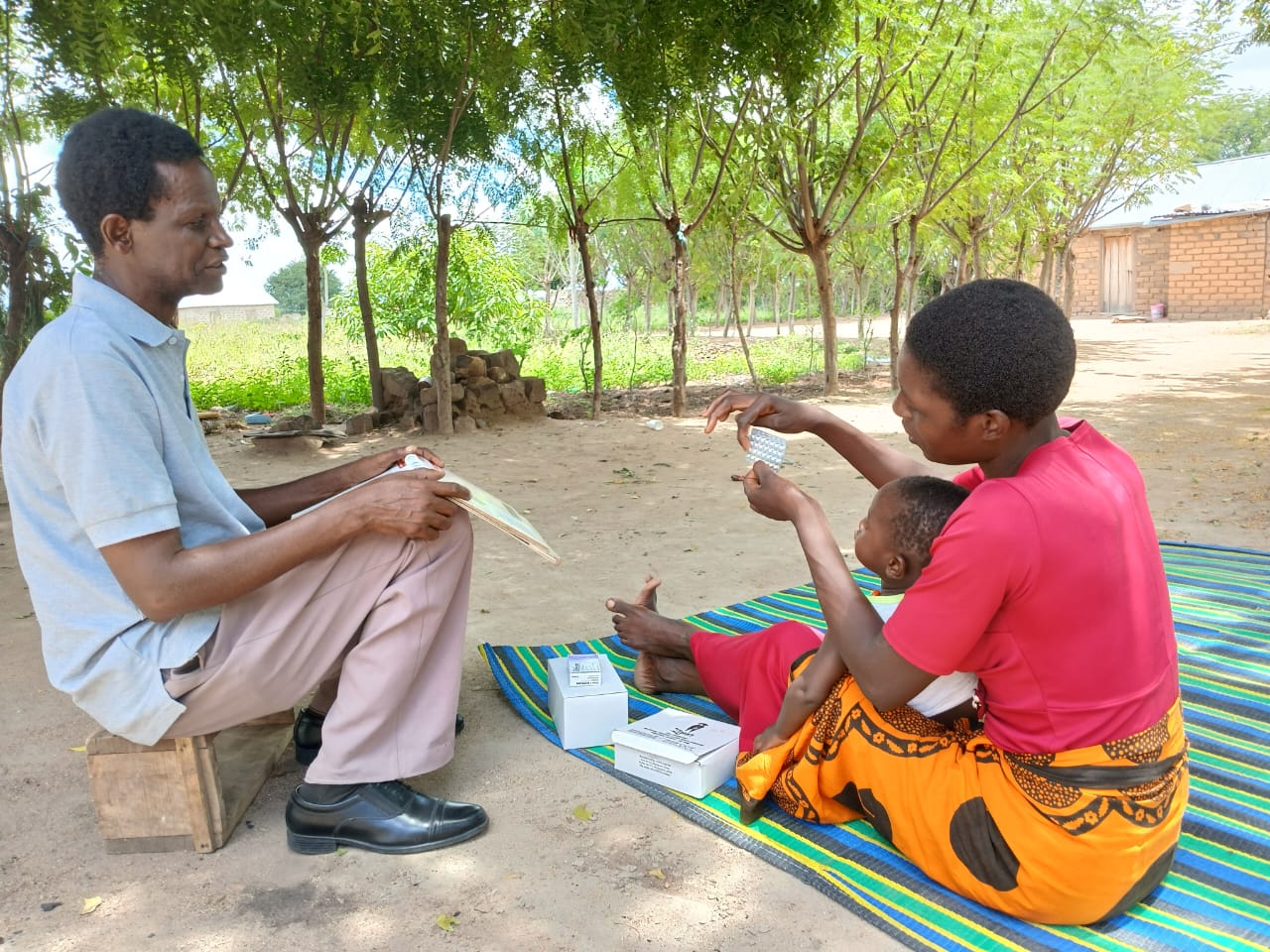
For women living in remote areas with limited access to health facilities, community health workers are a lifeline to critical health information and services. One such lifeline is Julius Niima, 60, who has served the people of Manyada Village in Shinyanga for more than 30 years.
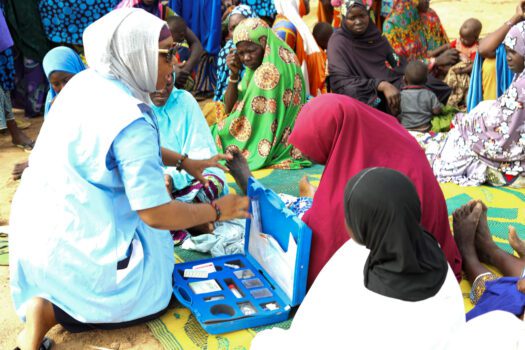
Pathfinder Tanzania partners with Julius through the Maamuzi Yaho, Kesho Yako (Your Decision, Your Tomorrow) project. With funding from the Bergstrom Foundation and in collaboration with the Government of Tanzania, Maamuzi Yaho, Kesho Yako uses mobile outreach clinics to provide family counseling and referrals, distribute short-acting contraceptive methods, and deliver immunization services to children under five.
Julius recalls one of many unforgettable home visits from his three-decade career—in August 2021, he met with Eunice Emmanuel, a 21-year-old mother of two young children. Although Eunice had given birth just five months ago, Julius quickly discovered that she was three months pregnant. Eunice and her family were shocked, but Julius counseled them on next steps and invited Eunice to a Maamuzi Yaho, Kesho Yako outreach event for more support.

PHOTO: Godbless Mtega
There, Eunice was referred for antenatal care at Usanda Dispensary—and after she gave birth in March 2022, she adopted a five-year contraceptive method. Today, Eunice and her family are thriving, and Eunice’s experience with Julius and the project inspired her to become an advocate for family planning in her village.
By more thoroughly integrating community health workers into the national health system, Maamuzi Yaho, Kesho Yako ensures sustainability and alignment with government priorities. Their deep community ties enable them to reach people at home, work, and place of worship, which increases access to health services and health seeking behavior. Last year, 9,868 (89%) of clients who received family planning services at outreach clinics reported that community health workers were their source of information and referral.
“I am proud to be part of the health team saving lives and paving the way for a better future. Seeing the families I have helped live happily motivates me every day. My phone is always on, I am here to serve,” says Julius.
Preparedness Matters: Ensuring Safe Delivery During Disasters in Bangladesh
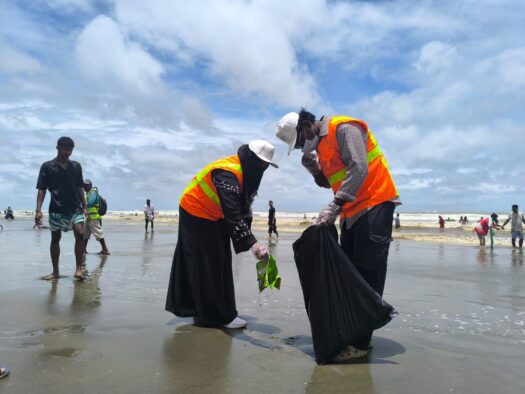
Bangladesh is the seventh most disaster-prone country in the world. It faces frequent and intense natural disasters, especially floods. Every year, floods hit harder, disrupting lives and making access to basic services even more difficult. Among those affected, pregnant women face some of the greatest risks.
Health systems in Bangladesh are already under strain. During floods, the situation becomes worse. A health facility assessment by the Advancing the Leadership of Women and Girls Towards Better Health and Climate Change Resilience project—locally known as Dishari—found that 52% of health facilities were closed during floods. For expectant mothers, this can make it impossible to reach a health facility for labor and delivery.
To tackle this, Dishari is working in five of the most climate-vulnerable districts: Sylhet, Sunamganj, Netrakona, Kishoreganj, and Cox’s Bazar. The project has strengthened the resilience of health facilities and raised awareness among women and their communities about the importance of disaster preparedness, especially during pregnancy.
Pregnant women are a top priority in this work. Pathfinder Bangladesh, along with the Directorate General of Family Planning, created clear and simple messages to help mothers, families, and communities prepare for safe delivery during floods. These messages focus on arranging transportation, finding a blood donor in advance, saving money for delivery, prioritizing mental health, and promoting the responsibilities of family and community.
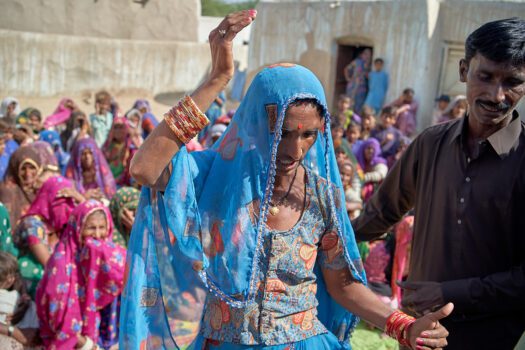
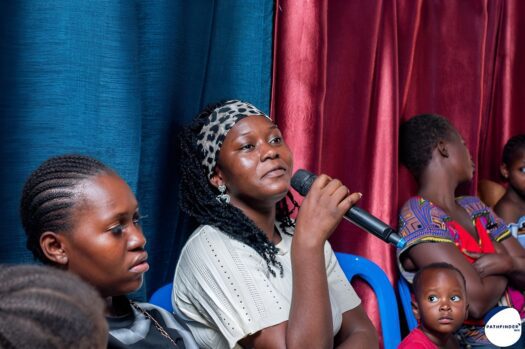
These messages are shared across 680+ health facilities and 60 Union Disaster Management Committees in the 5 districts and are also discussed in women’s courtyard sessions. In these sessions, local women’s groups meet to learn together and support each other. Many pregnant women attend, but so do women who are planning pregnancies or have recently given birth.
“My delivery date is close, so I’ve already planned how to reach the clinic if the roads flood. I know the emergency numbers and have decided which facility I will go to for delivery,” says Moumita Akhter.
Because Dishari reaches entire communities—in addition to pregnant women and their families—with disaster preparedness messages, expectant mothers have a wider support system to lean on when it comes time to deliver. Shima Akhter reports: “From the courtyard sessions, I learned the importance of being prepared. When I was pregnant, our chairman told me he would arrange a boat for me if needed. During my delivery, he kept his promise and ensured I got to the clinic safely.”


Over the past four years, the project has reached 248,687 pregnant women and mothers across the five project areas. In addition to raising awareness about health impacts, Dishari provides free check-ups to pregnant women and has trained more than 3,000 service providers on the Minimum Initial Service Package to be better equipped for disasters. Some health facilities have also undergone physical renovations to improve safety, access, sanitation and hygiene, and disaster preparedness.
Today, we celebrate the impact of these maternal health innovations and call for investments in women-led solutions that address the most pressing health challenges they face. Because when women thrive, they drive impact far beyond themselves. Health for women and girls means health for families and communities, for nations and economies and the generations to come.