How Pathfinder has transformed data use to be more inclusive, localized, and results-oriented
Pathfinder’s country-led strategy seeks to have teams in the countries where we run programs making strategic decisions about the direction the organization is heading—how we operate, what we invest in, and what type of programs we pursue. Realizing that no smart decision is made without sufficient evidence, we have revolutionized the way our country offices can access and use data for decision-making.
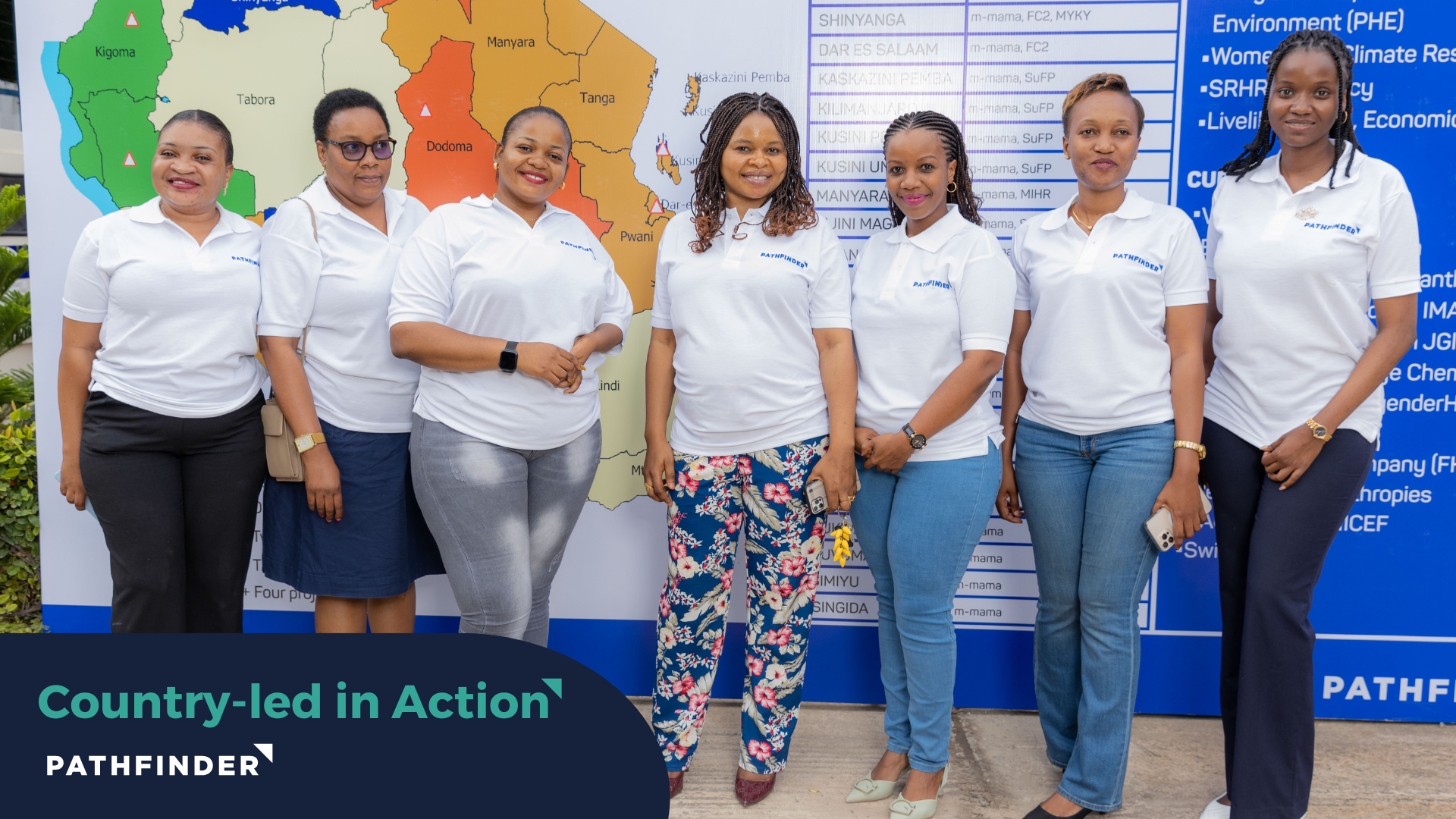
Pathfinder’s Analytic and Visualization Engine (PAVE) democratizes data across the organization by consolidating previously isolated data into a self-serve dashboard interface, providing a single source of truth. PAVE includes everything from mission delivery service statistics to data from our operational units, such as finance, human resources, and business development. The tool empowers Pathfinder leaders to make informed decisions, swiftly identifying issues and readily generating solutions.
PAVE has become an essential part of our annual planning and budgeting process. Previously led by teams in the US, under our country-led strategy, country offices are now driving the process. Their priorities inform organization-wide investments. PAVE has been integral to ensuring our leaders around the world have adequate quality data on which to base their strategies and decisions.
Our President, Africa has also incorporated PAVE into country performance review meetings for her region. Using PAVE adds structure and important data for measuring country performance to each meeting. During the meetings, leaders review performance, react to issues, and add context. The same approach is being applied across other regions.
Much of the data included in PAVE was previously owned by teams in the US. If a country office in South Asia, for example, wanted to know more about our staff attrition rate, they had to go through the human resources team in the US. PAVE reflects a globalized model that aligns with Pathfinder relinquishing its US-based headquarters over the last couple of years to create an organization where power is dispersed across regions of operation, and teams, like human resources, are being led from outside of the US.
Country offices are not only the main users of the dashboard they have been closely involved in its design and provide continuous feedback for improvement. Involvement of teams around the world has helped to inculcate an organization-wide culture of data use and accentuates the development of organization-wide metrics.
Others in the international development industry looking to make data use more inclusive, localized, and results-oriented should consider a similar model. From our experience, we can share the following words of wisdom:
- User centricity and change management are crucial. Don’t underestimate the effort needed to bring staff along on the digital transformation journey. It’s crucial to have widespread support from data owners and data consumers. Sharing data more broadly across the organization in a self-serve platform was new to staff, requiring us to build trust and skills to allow for more accessible data across Pathfinder while ensuring sensitive and personally identifiable information would be protected.
- Build a culture of trust. To make PAVE work, we had to sensitize data owners across the organization to the idea of allowing their data to be shared with a wider audience. We had to build trust before we could access, handle, and display their data. We built on that trust by giving fresh value to their data, automating, de-siloing, and finding new analysis and views of their data.
- Continuous feedback and updates are key. As we make progress and updates, we quickly share and ask for feedback. This feedback, particularly from country teams, is essential to making sure PAVE is working for everyone and allowing our leaders, no matter where they are based, to make the smartest decisions for the organization.
Have questions? Reach out to Matthew Saaks.
This story is part of our LinkedIn newsletter series, Country-Led in Action with Pathfinder International, where we delve deep into our country-led approaches, showcasing how our local leaders, teams, and partners are taking the helm in global health and development—leading the strategies, programs, and investments that drive impact in the communities we serve. From navigating complex partnerships to overcoming systemic challenges, we’ll offer practical insights, inspiring success stories, and candid lessons learned about how global organizations can localize effectively.