As we strengthen our locally led approaches to country programs and operations in every country where Pathfinder works, we must not underestimate the value of cross-country learning and collaboration.
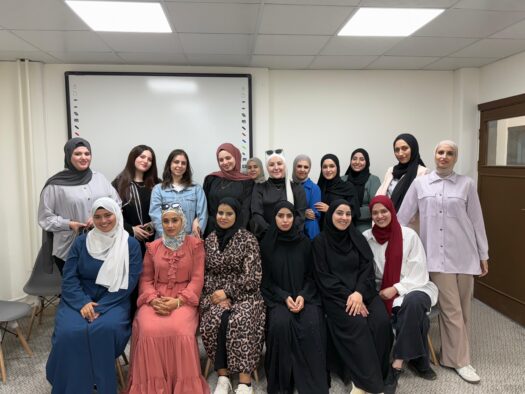
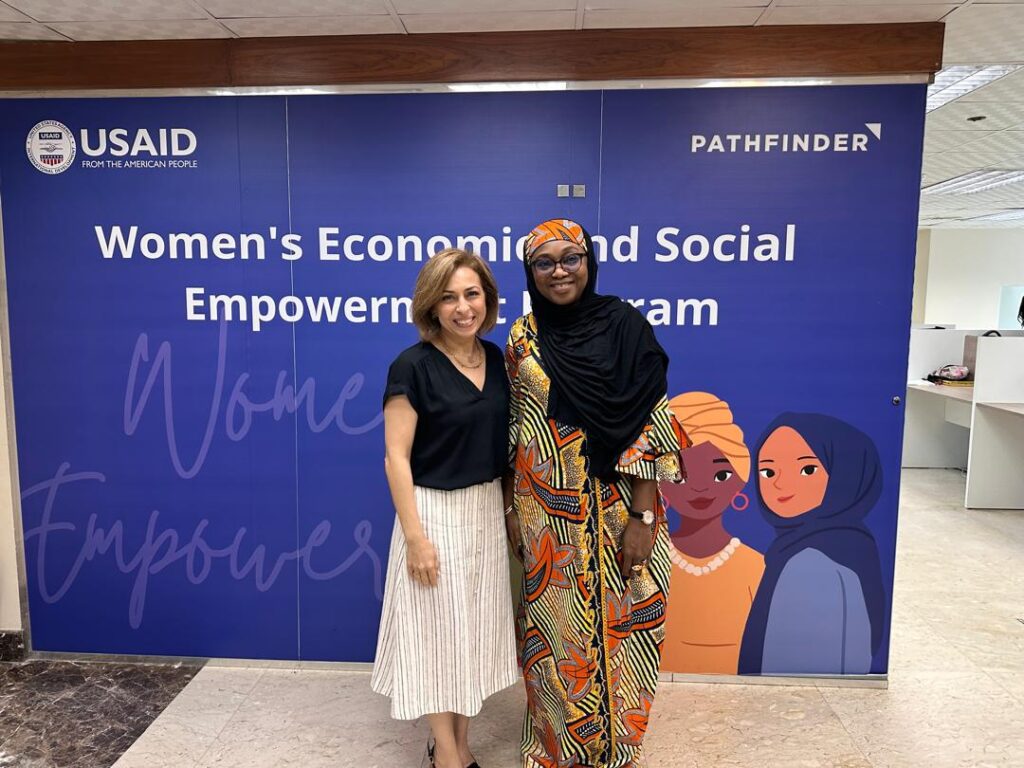
As country director of our Nigeria office, and Pathfinder International’s regional lead for women’s economic empowerment and climate resilience in Africa, I recently traveled to Egypt, where I learned invaluable lessons from our Egypt team about an effective model for localization and integrated approaches to climate change adaptation and women’s leadership. I returned to Abuja inspired.
Where international development models were once predicated on technical assistance from donor countries in the West to recipient countries in the Global South, that model is ineffective and outdated. At Pathfinder, we staff our country offices with the best and brightest minds in global health and give them resources to do the job well. In the Africa region, we rely on each other to share best practices and innovations for greater mission impact.
Cross-country learning and collaboration are the foundation for any strong global organization. That’s why Pathfinder is setting up certified “Centers of Excellence” in several countries where other country teams can learn about approaches that might work for them based on their contexts. Based on the success of our USAID/Egypt Women’s Economic and Social Empowerment Program (WESEP) and Women-led Climate Resilience project, Egypt is our frontrunner for being the Center of Excellence in Women’s Economic Empowerment.
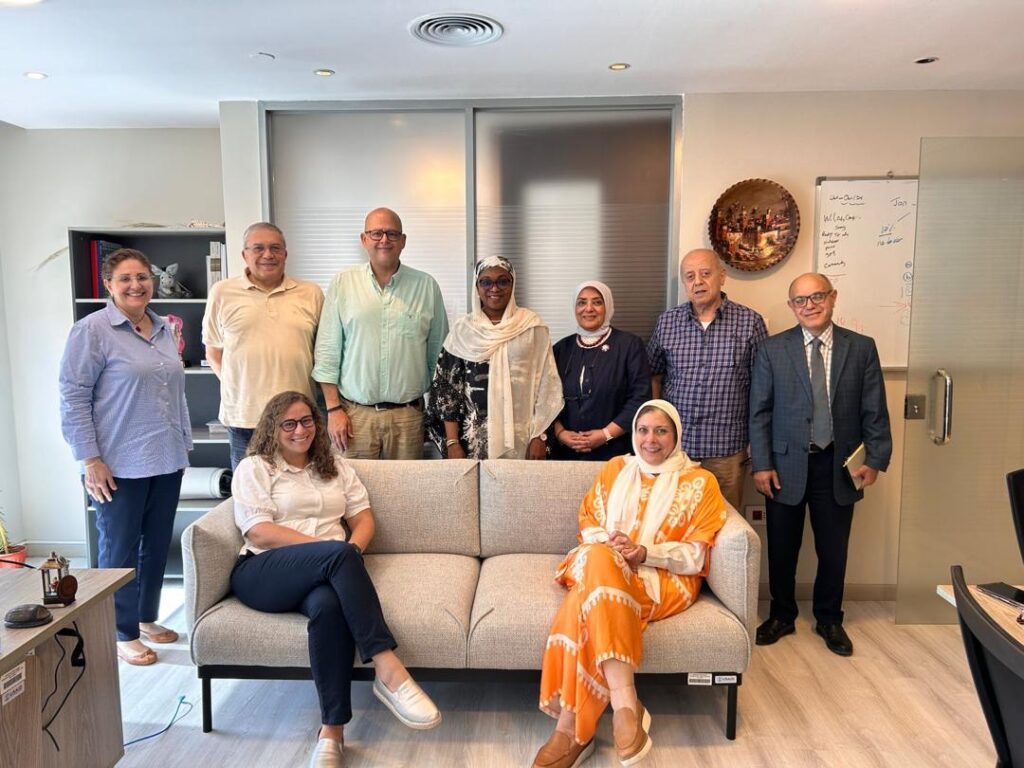
Here are a few learnings from my recent trip:
Local legacy enhances agility and resilience. Pathfinder has been registered in Egypt since the early 1980s, and the network built in the country has greatly facilitated and expedited Pathfinder’s ability to rapidly start new programs and respond to local needs. This has been particularly true for WESEP. The Pathfinder team fully mobilized to begin work on the program within a couple of months from signing the award—something the donor praised as efficient and effective mobilization. Other Pathfinder countries can learn from this experience in Egypt.
Male engagement in women’s economic empowerment. Some contexts in Egypt are similar to Northern Nigeria in terms of gender norms. In Egypt, the team has found that when women become economically empowered, instances of gender-based violence rise. It is therefore important to engage men, boys, and religious leaders in women’s economic empowerment programs to ensure the safety of women and encourage the acceptance of norms and behavior that support increased gender equity.
Integration of climate and gender. It is well known that women are disproportionately burdened by the impact of climate change. Unintended pregnancies, gender-based violence, early and forced marriage, unsafe births and abortions increase during climate emergencies. In Egypt, the team incorporates gender and climate activities into all programs, tying reproductive health and well-being to climate vulnerabilities. For example, women in Sohag governate serve as “Ambassadors of Change” who learn how to reduce their community’s impact on the environment by leading green community initiatives. This is an approach Pathfinder is seeking to apply across all countries as we look to improve women’s health in some of the most climate-vulnerable countries.
I am still reflecting on all that I learned in Egypt and figuring out ways to share and apply my newfound knowledge in partnership with our teams across the Africa region. The learning trip opened my mind, formed valuable connections, and disrupted the status quo of my every day work in a really nice way. For any global health organization figuring out how to localize, this type of experience-sharing is essential.
This story is part of our LinkedIn newsletter series, Country-Led in Action with Pathfinder International, where we delve deep into our country-led approaches, showcasing how our local leaders, teams, and partners are taking the helm in global health and development—leading the strategies, programs, and investments that drive impact in the communities we serve. From navigating complex partnerships to overcoming systemic challenges, we’ll offer practical insights, inspiring success stories, and candid lessons learned about how global organizations can localize effectively.