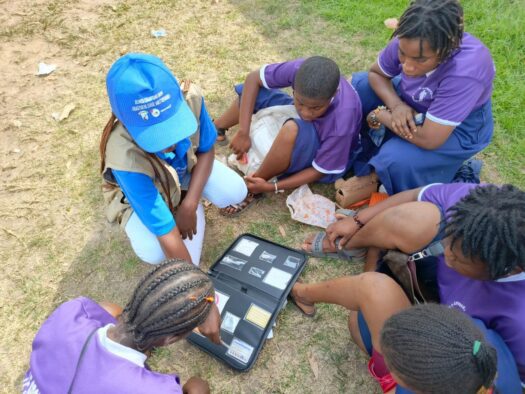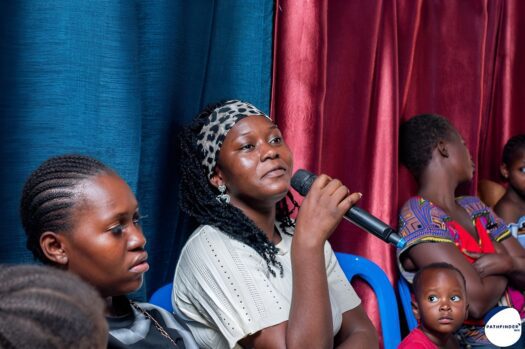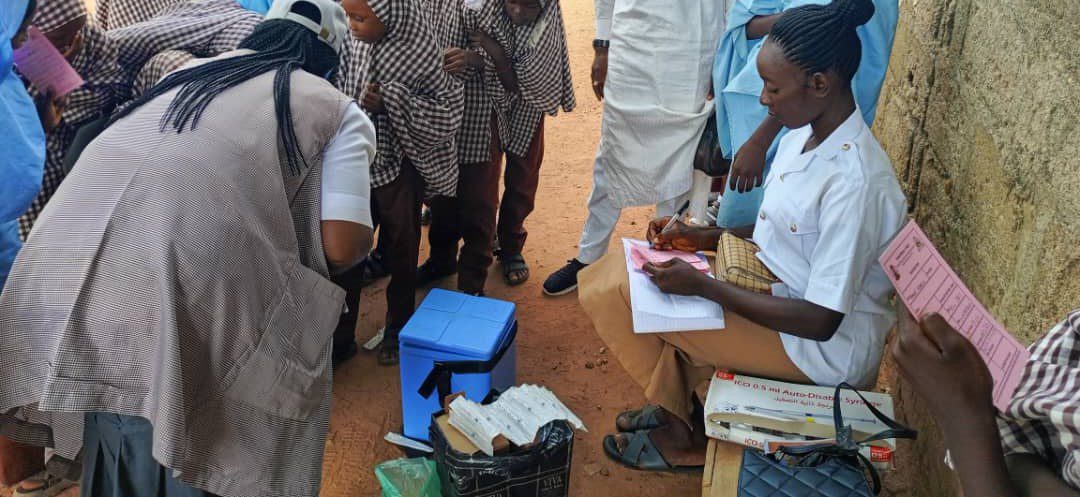
Every vaccination program hinges on a fundamental question: Do we know where the eligible population is? For the life-saving HPV vaccine, the answer lies in accurate data. When girls are vaccinated but not counted, they become invisible to the very systems meant to protect them, compromising our ability to prevent a cancer that is entirely stoppable.
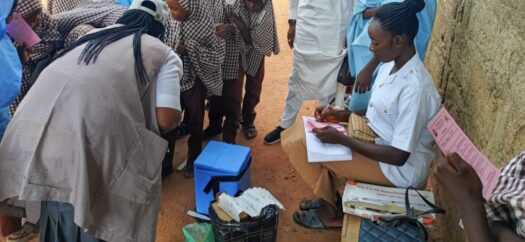
This critical challenge was evident when Pathfinder began supporting the Nasarawa state government to reach girls with the HPV vaccine: Although Nasarawa had made significant strides in vaccinating over 160,000 eligible girls, the official record told a different story.
When examining the data earlier this year, crucial vaccination records were missing from the first three months of the vaccination campaign in the national data system, DHIS2. The core issue was a quiet systemic struggle: Local Government Area (LGA) Monitoring and Evaluation Officers were not entering call-in data into DHIS2. This created a massive backlog.
When the official DHIS2 data entry windows for those first three months (Oct-Dec 2023) closed, thousands of vaccinated girls became numerically invisible. It was a profound irony: the state’s Ministry of Health and Primary Healthcare Development Agency had done the work, but lacked the evidence needed for informed decision-making about where to reach girls with the vaccine and remain accountable.

Supporting government with a system-led success
In response, the state Ministry of Health designed a practical, context-specific strategy to resolve capacity gaps hindering reporting, leveraging their partnership with the Federal Ministry of Health’s Department of Health Planning, Research, and Statistics, the custodians of DHIS2.
Pathfinder served as the technical assistance provider to the state government in executing the state’s strategy, which involved three critical phases:
- Working with the Federal Ministry of Health to temporarily reopen DHIS2’s data entry windows for all the backlog months.
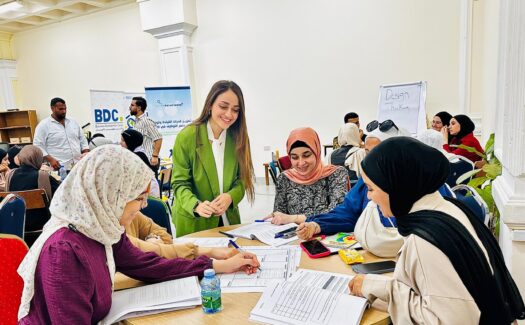
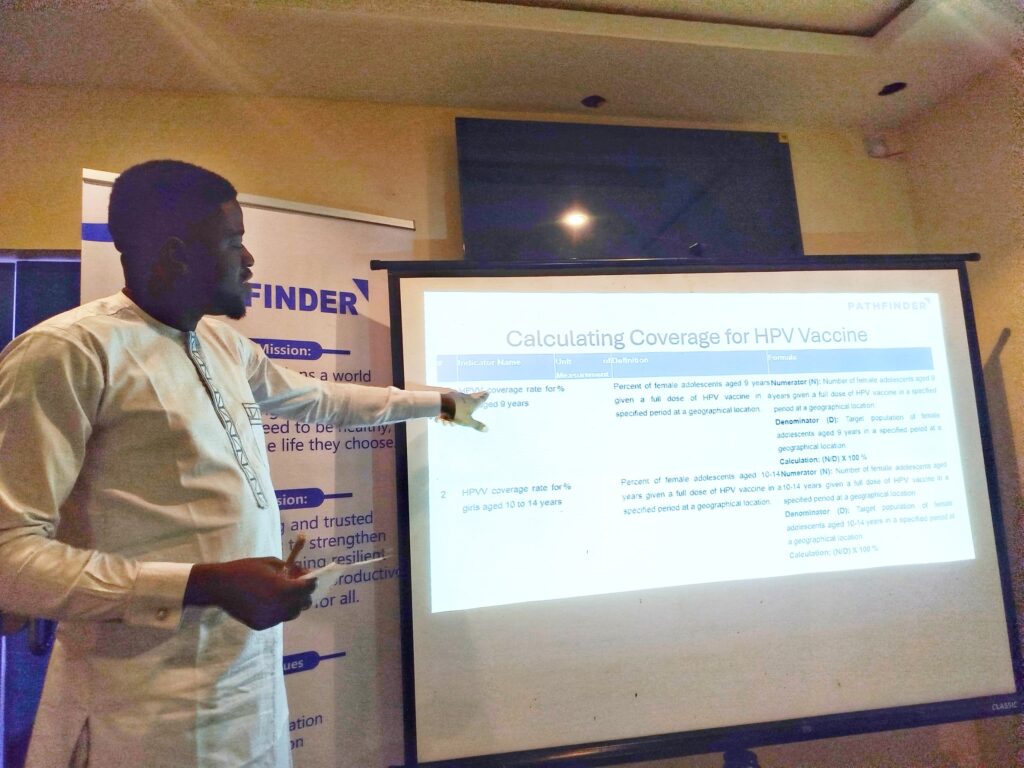
- Organizing an intensive, hands-on two-day capacity-strengthening session. through the Federal Ministry of Health’s Health Information System Program to re-train all LGA Monitoring and Evaluation Officers.
- Ensuring the Monitoring and Evaluation Officers engaged directly with the DHIS2 platform, resolved specific data entry challenges using real-world examples, and learned simple visualization tools.
By following these steps, the backlog of campaign data that had been locked out for up to two years brought the state’s coverage figures to life for the first time.
Evidence-based decisions and accountability
Thanks to the state government’s decisive action and collaborative approach, long-missing vaccination figures from Nasarawa started appearing on DHIS2. The numbers stabilized, finally validating the efforts of health workers and completing the historical record of the vaccination campaign. The state could now confidently answer the guiding question of the campaign: “Yes, now we know where the girls are.”
With complete and current HPV vaccination data, the state can now easily see where there is low uptake and instantly identify performance gaps. Future outreach and corrective interventions will be fully evidence-based, not based on guesswork. The state can quickly respond to trends and detect girls who have not yet received the life-saving vaccine.

In Nasarawa state today, fewer girls are left to chance.
By strengthening local capacity and ensuring that data tells the truth, the state Ministry of Health made the system more agile and accountable, ensuring the right dose reaches the right girl at the right time, and securing her safer future.