USAID Uganda Family Planning Activity’s Localized Approach to Promoting Healthy Timing and Spacing of Pregnancies
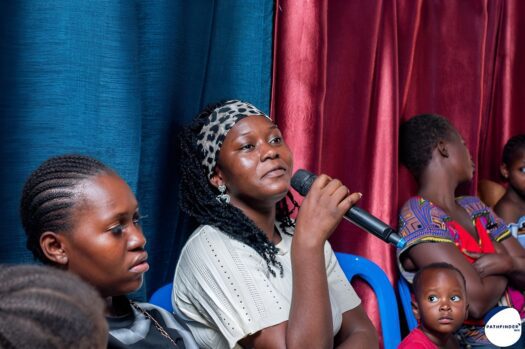
I am very grateful to [the USAID Uganda Family Planning Activity], and I will challenge my fellow women and their male partners to support each other. I especially [challenge] men to always remain acceptors and supporters of family planning.
Consulate, 24, family planning client
In western Uganda’s Buliisa district, discussions of family planning (FP) rarely take place in communities and are instead reserved for health facilities. To begin to change this, the Pathfinder-led USAID Uganda Family Planning Activity (USAID/FPA, 2020-2025) partnered with the Lake Albert Children Women Advocacy and Development Organization (LACWADO), whose mission focuses on protecting and supporting human rights, natural resources, economic livelihoods, and institutional capacity, and 7 other community-based organizations (CBOs) across USAID/FPA’s 11 operating districts. LACWADO joined with USAID/FPA to promote social norms and behaviors that improve healthy timing and spacing of pregnancies (HTSP) and to provide voluntary FP counseling, services, and referrals in Buliisa district.
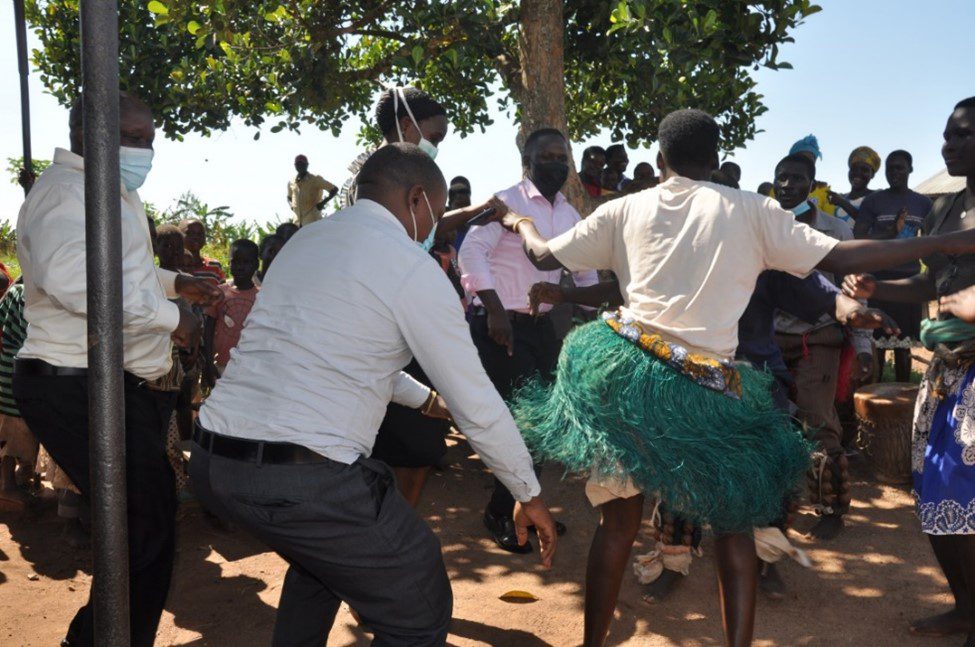
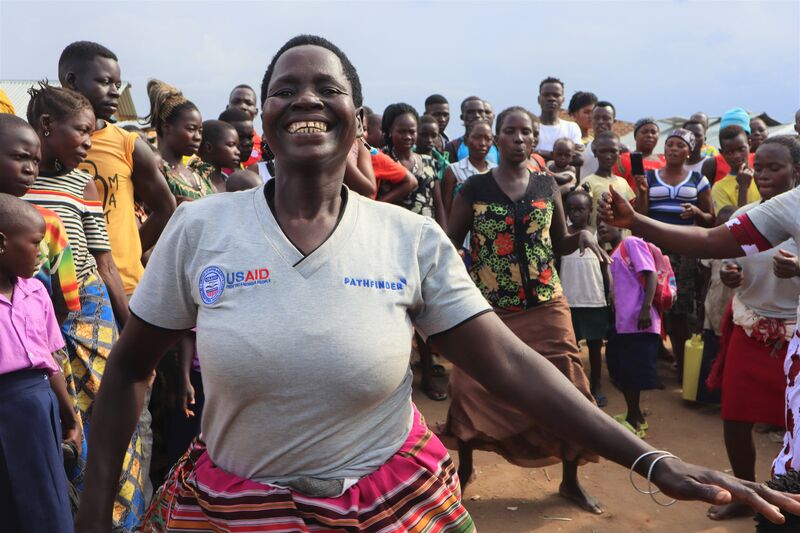
Through local partners like LACWADO, USAID/FPA leveraged existing community groups and structures to integrate FP messages into ongoing community activities. Via USAID/FPA, LACWADO supported Kalengeija Music Dance and Drama Group to compose, develop, and perform plays, songs, and poems in their community, shifting socio-cultural attitudes and practices in support of FP uptake. Aimed at young fathers and mothers and adolescent boys and girls working locally as farmers, Kalengeija’s performances were instrumental in generating demand for FP services by increasing awareness of FP services and encouraging potential clients to access services within their communities from Village Health Teams (VHT) or at nearby health facilities.
We now see more young men attending our sessions with their partners and we have encouraged the men to support their partners and escort them to receive FP services. Young fathers and their partners [are no longer] ashamed to get condoms for FP…during our music, dance, and drama sessions.
Anet, group chairperson
LACWADO also supported a Village Saving and Loan Association and craft-making initiative to encourage economic empowerment among members by offering savings accounts and low-interest business loans. Group members established small businesses selling fish and agricultural products. Their earnings helped cover family expenses—for example, the purchase of scholastic materials and other necessities for their children.
The USAID Uganda Family Planning Activity
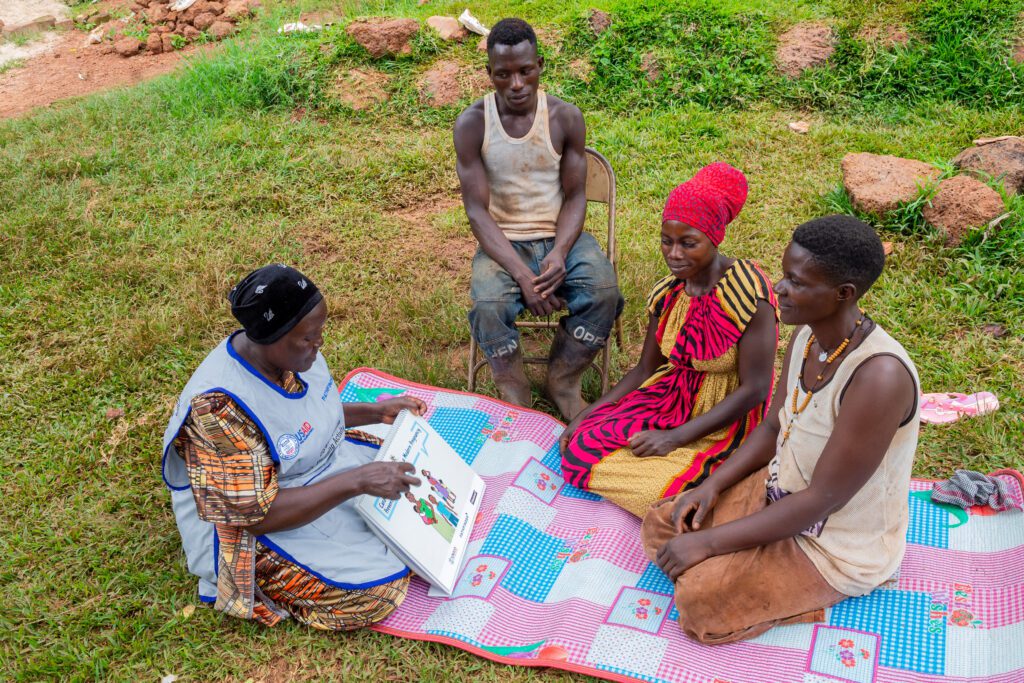
From 2020 to 2024, local partnerships were at the heart of USAID/FPA’s approach to encouraging adoption of positive sexual and reproductive health (SRH) behaviors in 11 districts. With Uganda Protestant Medical Bureau, Samasha Medical Foundation, Uganda Youth and Adolescent Health Forum, and local CBOs, USAID/FPA contributed to HTSP and an increase in Uganda’s modern contraceptive prevalence rate. Localization was a guiding value. The team aligned activities with national strategies and supported CBOs to respond to needs articulated by their communities, in service of an agenda driven by local priorities aligned with USAID/FPA’s aims.
Our localized approach to enhance positive social norms and behaviors
In 2020, USAID/FPA conducted a Gender, Youth, and Social Inclusion analysis (GYSIA) to understand how gender and social norms, power relations, and beliefs and practices affect the ability of different segments of the population to access and use FP and SRH services. The analysis revealed that child, early, and forced marriage and unions; cultural and religious promotion of high fertility; perception of girls as a source of wealth; and preference for large family size as a source of labor perpetuate gender inequality and hinder uptake of FP and SRH services. Prominent among the GYSIA’s key recommendations was the importance of addressing underlying norms—through social and behavior change (SBC) interventions, including intergenerational community dialogues and outreach to couples—that drive fertility choices and SRH outcomes.
USAID/FPA’s Community Partners
- Babies and Mothers Alive Foundation (BAMA)
- KIND Initiative for Development-Uganda (KIND UG)
- Hope After Rape (HAR)
- Lake Albert Children Women Advocacy and Development Organization (LACWADO)
- Integrated Community Based Initiatives (ICOBI)
- Action for Community Development (ACODEV)
- Family Strength for A Better Child (FASBEC)
- Innovation Program for Community Transformation-InPACT
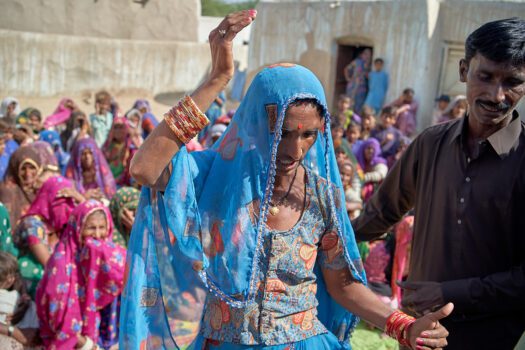
Photo: Kalengeja drama group performs during the outreach at Kaiso landing site. Photo: Pathfinder Uganda
USAID/FPA engaged in strategic partnerships with eight CBOs to develop and implement solutions to these challenges. USAID/FPA selected CBOs whose experience implementing gender-inclusive programs with refugees, persons with disabilities, youth, and community health workers positioned them well to meet the unique needs of their communities. USAID/FPA strengthened their capacity—developing simple job aids and monitoring tools; supporting enhancement of existing community dialogue curriculums; and training dialogue facilitators, radio presenters, and DJs—for SBC, community engagement, data collection and use, documentation, and grants management. This helped ensure effective program monitoring and documentation, fund management, and delivery of information and services to the last mile.
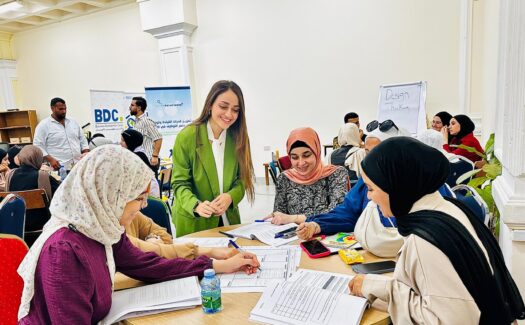
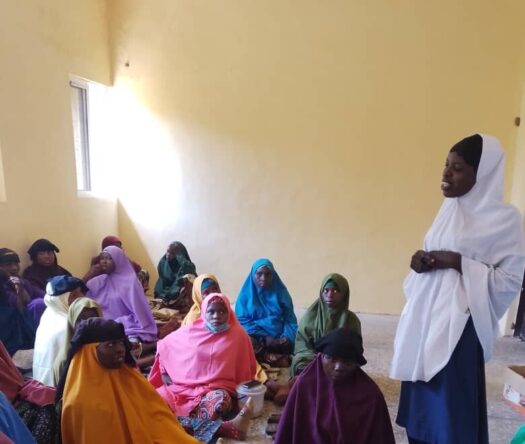
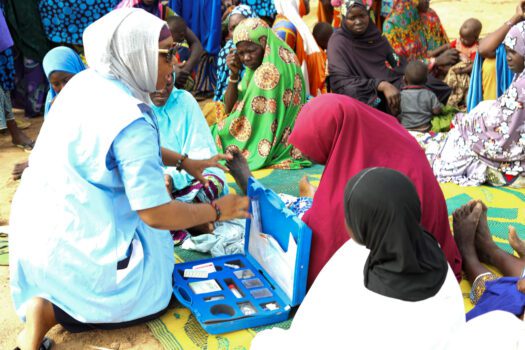
Community input drove the messaging. In partnership with the CBOs, USAID/FPA recruited and trained VHT members as facilitators of intergenerational and community dialogues. This facilitated the integration of FP services and referrals into the dialogues. The CBOs tailored USAID/FPA activities—for example, adapting the dialogue curriculum—to their specific regions and to different segments of the population (men, boys, women, first-time parents). USAID/FPA applied insights generated in these dialogues to tailor messaging delivered via community radio talk shows in partnership with 9 community radio stations across the 11 implementation districts. District FP focal persons led the radio activities, which featured local guests including youth champions, satisfied users, health workers, and religious leaders. USAID/FPA implemented an active feedback loop, reviewing radio activities with the hosts to identify areas for improvement and ensure maximum reach of programming.
Impact
As a result of working with USAID/FPA, LACWADO reports improved collaboration among partners, stakeholders, and community structures, including VHTs, community mobilizers, CBOs, NGOs, District Health Teams, the District Education Department, the District Community Development Department, the District Executive Wing, and politicians. Within LACWADO, staff have more capacity to sustain delivery of improved FP services. CBOs Family Strength for a Better Child and Integrated Community-Based Initiatives (ICOBI) agree, citing enhanced management, finance, and inventory skills for performance-based grant management, tracking, reporting, and documentation, in addition to improved technical and advocacy skills.
USAID/FPA’s community partnerships also helped strengthen community-facility linkages and referral systems, expanding continuity of services, visibility and credibility of the CBOs in the communities they serve, and CBO ownership of assets critical to their work, such as motorcycles and laptops. Strengthening these linkages and systems—and working with VHTs to bring commodities closer to communities—helped increase FP access and uptake.
Emmanuel and Knight, a married couple in Buliisa district’s Mugume Village, shared how attending a LACWADO dialogue session led them to adopt an FP method of their choice. Plagued by the deaths of six of their children and the repeated experience of complications during childbirth, the couple had only three surviving children. After participating in the dialogues, Emmanuel and Knight consulted Richard, a LACWADO Field Officer, about their challenges, telling him they wanted to use a permanent FP method. Richard counseled them on the requirements to access a permanent method. In collaboration with the District Activity Officer, he referred and linked them to Buliisa General Hospital, where Knight received a tubal ligation.
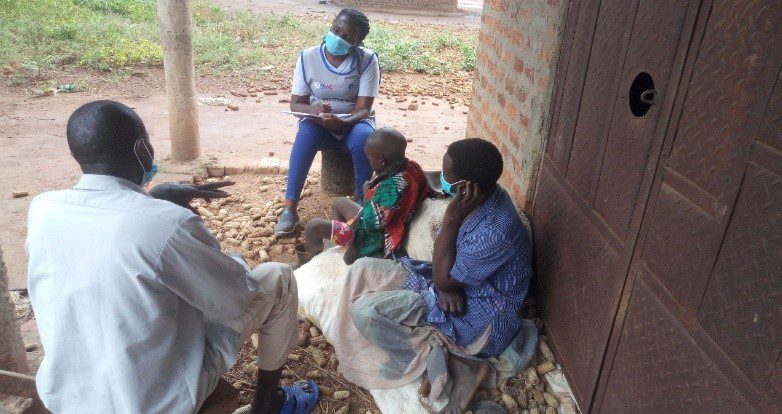
Three months later, the happy couple visited LACWADO’s offices to thank USAID/FPA for making FP information available to the local community. “I am happy that I and my husband were counseled properly by the medical personnel at Buliisa General Hospital, and we agreed together to use this FP method,” shared Knight. “I feel no problem with my body…and I will not deliver any more nor have the birth complications I used to have. It is my prayer that God keeps alive our three surviving children, and my husband and I will make sure that we take care of our children until they grow old.”
ICOBI seconds the importance of the segmented community dialogues, noting an observed reduction in cases of gender-based violence they attribute to the engagement of men in tailored dialogue sessions about the importance of supporting HTSP. Balikowa John, a father of six who engaged in one of ICOBI’s dialogues for men, said, “I call upon fellow men and women to embrace services offered by USAID/FPA and ICOBI, because having a well-planned family is good.”
Read more about USAID/Uganda FPA >>
This story is part of our LinkedIn newsletter series, Country-Led in Action with Pathfinder International, where we delve deep into our country-led approaches, showcasing how our local leaders, teams, and partners are taking the helm in global health and development—leading the strategies, programs, and investments that drive impact in the communities we serve. From navigating complex partnerships to overcoming systemic challenges, we’ll offer practical insights, inspiring success stories, and candid lessons learned about how global organizations can localize effectively.