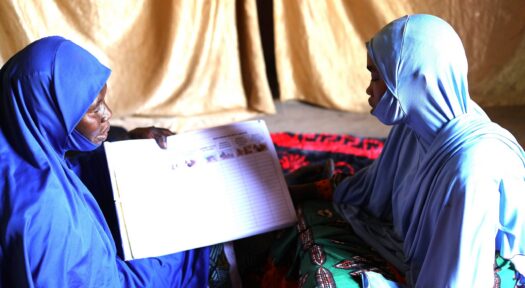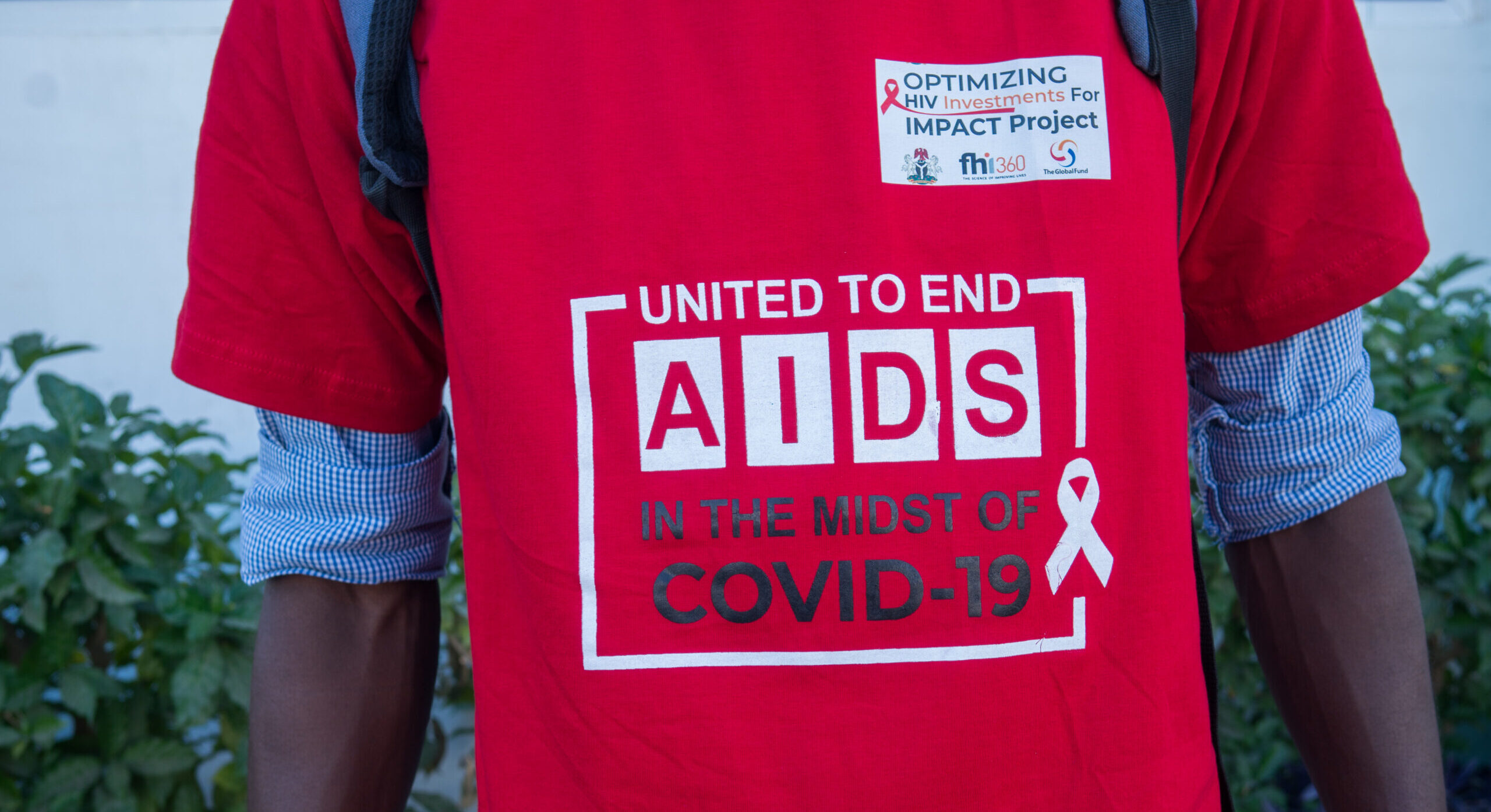
On World AIDS Day, Pathfinder continues to commit to the implementation of quality and comprehensive approaches to HIV prevention, care, and treatment.
For over 25 years, Pathfinder has contributed to the global HIV pandemic response, integrating HIV services with sexual and reproductive health interventions. Pathfinder’s HIV prevention, care, and treatment work has spanned 10 countries, and entails an evidence- based, rights-based, and gender-responsive approach. Pathfinder’s current programs advance the integration of HIV care into the primary health care system through health systems strengthening and community-based interventions.
Approach 1: Primary HIV prevention
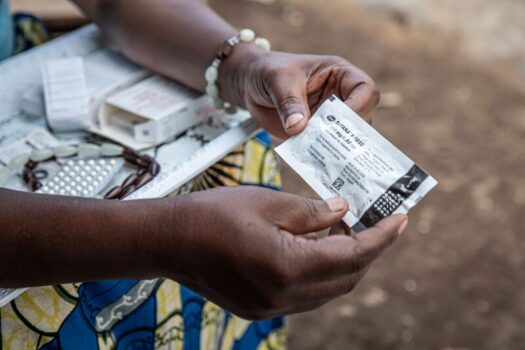
In Mozambique, Pathfinder’s ECHO project (Efficiencies for Clinical HIV Outcomes) provides pre-exposure prophylaxis (PrEP) to HIV-negative clients at substantial risk of HIV infection. To do this, ECHO is scaling up PrEP dissemination through assignment of a ‘PrEP focal point’ in health facilities that distribute PrEP, and closely collaborates with community partners for PrEP referrals, data sharing, and demand creation. We are taking this work a step further by deploying ‘mobile brigades’ to areas with high HIV prevalence to build community awareness.
In Kenya, Pathfinder implemented the Determined, Resilient, Empowered, AIDS-free, Mentored and Safe (DREAMS) intervention. This intervention specifically addressed challenges that increase the vulnerability of adolescent girls and young women (AGYW) to HIV. DREAMS targeted AGYW themselves, their sexual partners, and their communities, creating layers of protection. These targeted interventions reached more than 28,000 adolescent girls. Between October 2019 and March 2021, over 11,000 HIV self-test kits were distributed, the majority of these to people younger than 30.
Approach 2: Health systems readiness
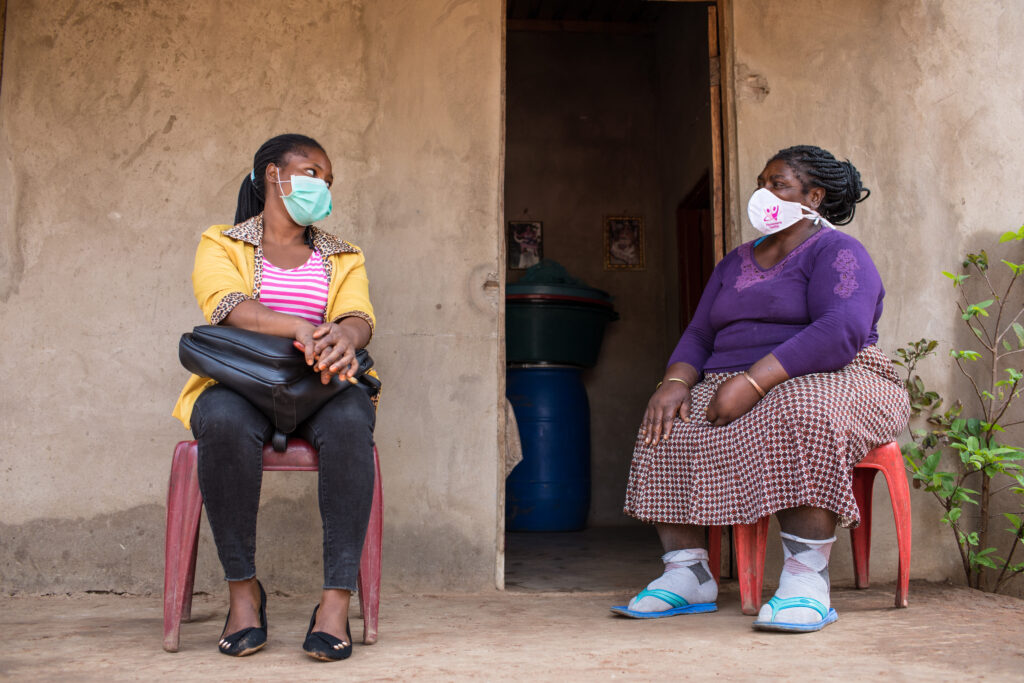
Pathfinder invests in improved supply chain systems and commodity security; an adequate and well-trained workforce; quality and comprehensive service delivery and robust monitoring and evaluation systems that provide data for decision-making.
In Mozambique, Pathfinder’s RARE project worked on innovative, community-based approaches to identify and confront individual barriers that kept people from adhering to treatment, the most common being forgetting the date of an appointment, and lack of transport to local health facilities. RARE reached patients through an integrated package of services, including community dialogues and male engagement activities, which reinforced HIV information dissemination and support for patients while reducing stigma and discrimination.
In Nigeria, Pathfinder worked with the Ministry of Health and state structures to strengthen HIV prevention among pregnant and breastfeeding mothers. During the intervention, Pathfinder identified over 1,000 HIV-positive pregnant women and initiated all of them on antiretroviral medications.
Approach 3: Leadership and Advocacy
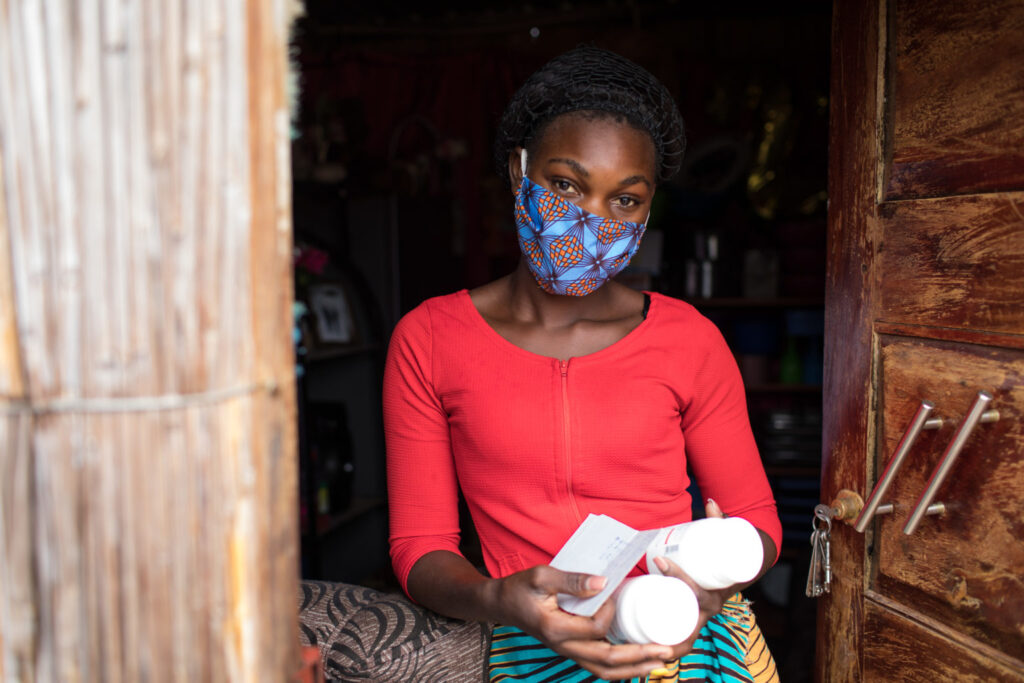
Pathfinder participates actively in policy and public health discussions, through subnational, national, and global platforms.
Pathfinder’s Bridging the Gaps project has worked with Mozambique’s Ministry of Interior to develop and implement a national approach to addressing the needs of key populations—those groups most vulnerable to contracting HIV. The project is addressing legal barriers facing sex workers, people who use drugs, and lesbian, gay, bisexual, transgender and queer (LGBTQ) populations. The project also developed a police manual to address issues affecting key populations and facilitated a police officer training of trainers program that will be scaled up across the country.
Approach 4: HIV testing, treatment, and viral suppression
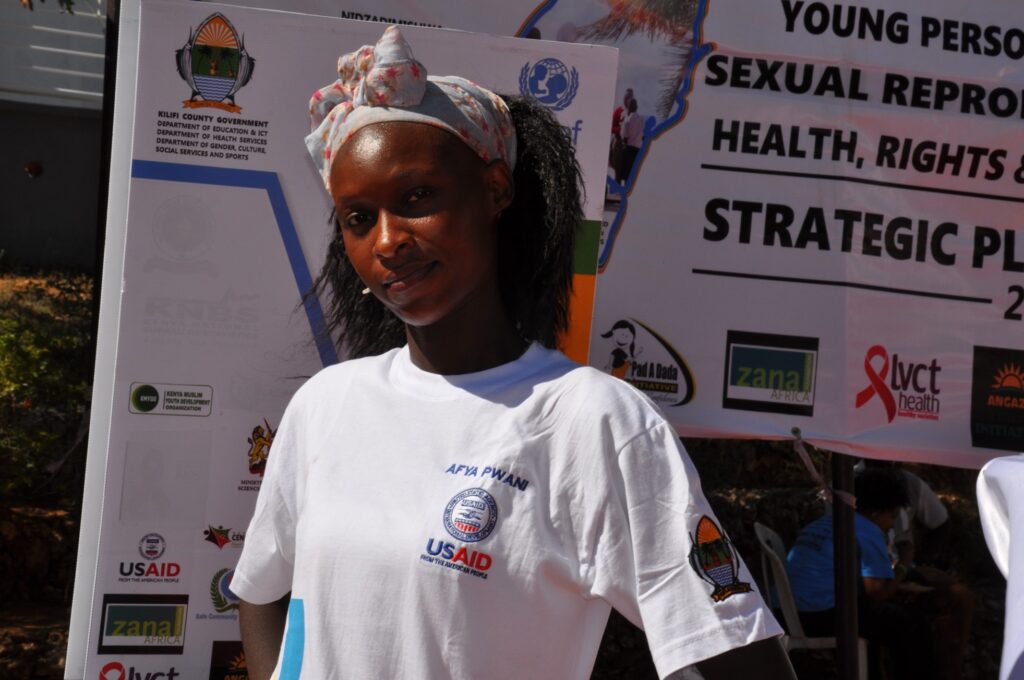
In Kenya, over the last five years, our Afya Pwani program (2016-2021) focused on key populations—female sex workers, men who have sex with men, transgender people, and injecting drug users—as part of its integrated HIV services. To do this well, the program had these key populations act as the main providers of services. Peer educators mobilized and followed up with clients, and community health workers collaborated with program staff to achieve the best outcome.
Afya Pwani reached these key populations:
- 12,792 female sex workers
- 4,974 men who have sex with men
- 714 transgender people
- 9,591 people who injected drugs
Afya Pwani also:
- Offered HIV testing services to 2,452,376 people
- Provided care and support services to 60,012 people living with HIV, 3,574 who were under 15 years
- Identified 18,228 HIV-positive pregnant women and initiated 90% of them on ARV treatment
Investing in HIV prevention, care, and treatment not only reduces the number of people suffering and dying from HIV, it reduces inequalities and HIV-related stigma and discrimination. The world has what it needs to end the HIV pandemic, and we are working with our partners to do just that.