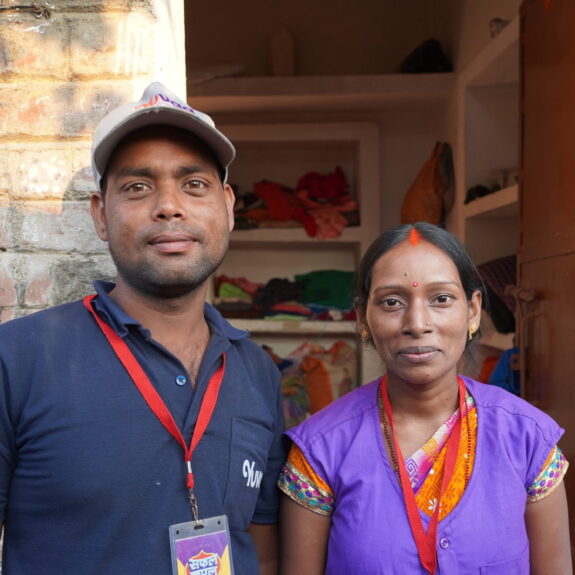
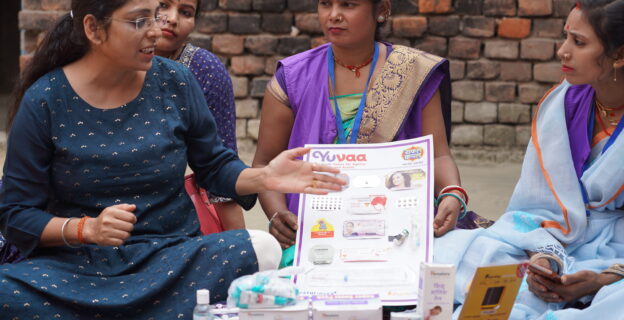
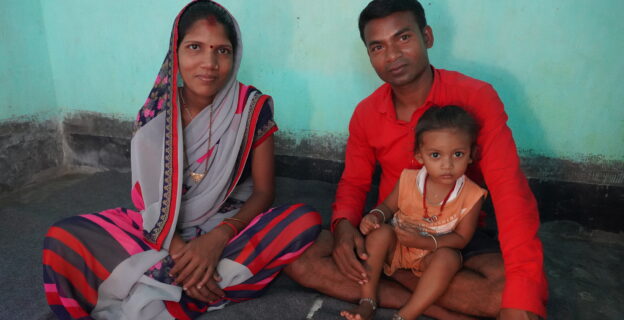
Decoding YUVAA: Behavioral Perspectives on Family Planning in India (Phase 4) presents the compiled findings from the qualitative assessment of the YUVAA program, with a focus on recommendations for strengthening the family planning ecosystem, especially through fostering an enabling environment.
To understand each factor of the enabling environment, findings have been classified into three thematic areas – social and gender norms, further broken down into normative environments and social sanctions; the role and involvement of men with a deeper dive into their social networks and referents; and the factors that determine the participation of Mothers in Law in family planning. The takeaways highlight the significance of timing family planning support for young married couples to align with key decision-making moments and social pressures that they typically face. By providing timely support and addressing negative social sanctions during critical periods, interventions can have a greater impact on promoting family planning.
What We’re Reading (and Listening to): Country-Led Action in Practice
We’re taking a break from our typical newsletter articles to bring you a curated roundup of recent reads, podcast episodes, and insights about our favorite topic—country-led action and how international aid can…
Yuvakaars: Pathfinder India’s Scalable Social Entrepreneurship Model for Rural Health Care
Through Pathfinder India’s innovative social entrepreneurship model in rural India, young couples delivered quality health products and services to underserved and…
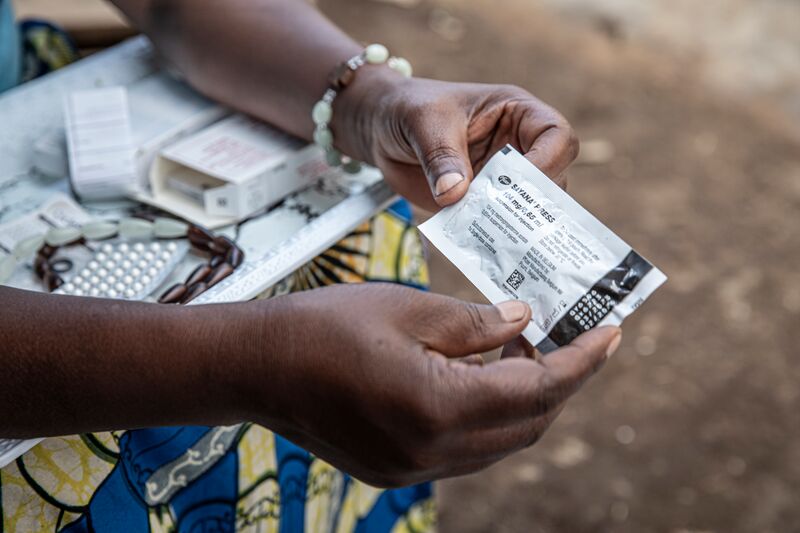
Delivering Context-Specific Maternal Health Solutions in Fragile and Insecure Settings
When a woman dies from preventable complications during childbirth, it signals a systemic failure. In fragile and conflict-affected settings, these vulnerabilities…