Skip to content

Story and Perspective

When the Highest Court Denies the Rights of Women to their Own Bodies

Rebecca Herman, Senior Technical Advisor, Gender-Based Violence and Maternal and Newborn Health

History tells us that legality and justice— legality and moral rightness— do not always go hand in hand. Egregiously, the United States Supreme Court handed down a majority decision in the case of Dobbs v. Mississipppi (2022) that leaves little to interpretation.

What else are we to conclude from the ruling that “the constitution of the United States does not provide any fundamental right to abortion”? Either the majority of justices on this Court do not believe that bodily autonomy is part of liberty, or do not believe that female bodied people have the same rights as non-female bodied people.

Make no mistake: at its core, this ruling is a denial of the full and equal rights of women as citizens. It is a denial of the rights of women to make private decisions about their religious and moral beliefs. It is a denial of the rights of women to have the liberty to decide what happens to their bodies and the course their lives will take.

Denial of these rights materially and directly erodes women’s status as equal members of society.  Gender equity is the recognition, provision for, and ability of each person, regardless of gender, to have equal opportunity to contribute to society, to determine and pursue their own aspirations and goals. Equity acknowledges that differences exist, that individuals have different needs and abilities, and that fairness and justice do not demand sameness.

Our society doesn’t have a concept of sex equity, but perhaps we should. Perhaps if we acknowledge that female bodied people have unique needs and abilities that influence our ability to determine and pursue our private, free aspirations and goals, a majority male court would have realized that our constitutional fundamental right to liberty necessarily includes the right to determine if our body will serve as an incubator, host, and eventually mother.

As we collectively as a nation look to the future, remember that this decision has already silenced or dampened many voices. It has already limited the freedom of individuals to go where they want to go. It has already denied the truth of religious differences that define the start of life in very different ways.

This ruling reduces the opportunities of female bodied people to contribute and learn and heal in ways of their choosing. It is a denial of equity and equality.

To our leaders claiming to uphold an equitable democracy: Be Better. Do Better.
Featured Stories & Perspectives

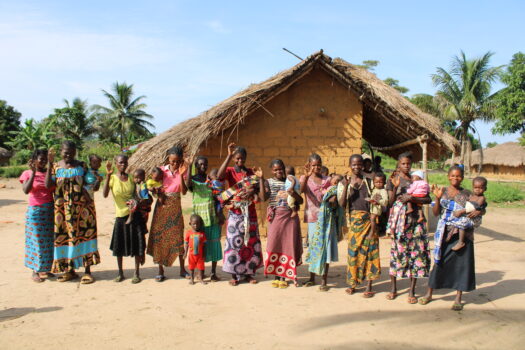
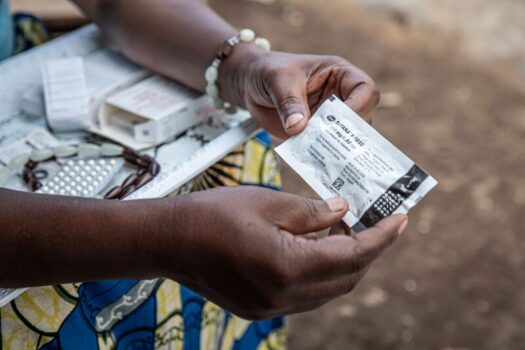
Pathfinder works closely with the DRC government and partners to expand contraceptive choice in rural areas and offer women the option of using self-injectable contraception.

Empathy: A Key Ingredient in Offering Women Contraceptive Choice

Traduction en français ci-dessous. A Q&A with Dr. Patrick Kabeya Tshibemba, Project Manager, DISC Project, Democratic Republic of the Congo…

Read More

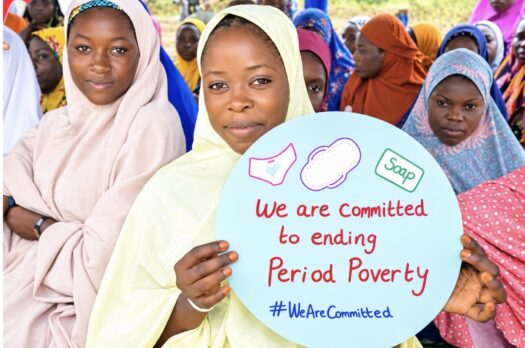
Beyond the Pad: Tackling the Systemic Realities of Period Poverty

A conversation with Dr. Ugochi Odinakachi Ohajoruka, CEO and Founder, Health Aid for All Initiative Can you tell us a…

Read More

What We’re Reading (and Listening to): Country-Led Action in Practice 

We’re taking a break from our typical newsletter articles to bring you a curated roundup of recent reads, podcast episodes, and insights about our favorite topic—country-led action and how international aid can…

Read More
Seema Kumari, a Yuvakaar in Bihar state

Yuvakaars: Pathfinder India’s Scalable Social Entrepreneurship Model for Rural Health Care 

Through Pathfinder India’s innovative social entrepreneurship model in rural India, young couples delivered quality health products and services to underserved and…

Read More

International Youth Day 2026: Different Contexts, Common Aspirations

Celebrating International Youth Day 2026  Ask a group of adolescents what they hope for their future, and their answers are often remarkably…

Read More

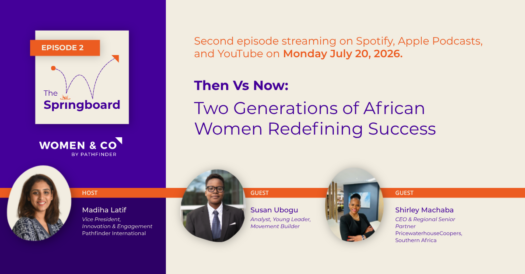
Then Vs Now: Women’s Leadership and Redefining Success

In the quest for gender equality and establishing women’s leadership roles, understanding the unique challenges women face is pivotal. In…

Read More
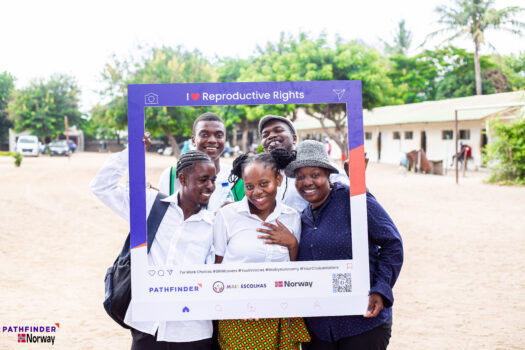
Mozambique - Youth reached through Mais Escolhas, January 2026.

Mozambique: Community-led Action against a Rising Tide

Mozambique’s famous coastline, one of the longest in Africa, stretches more than 2,300 kilometers (1,430 miles) along the Indian Ocean.…

Read More

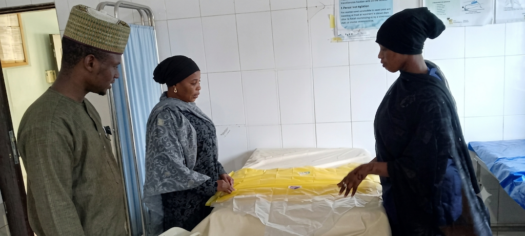
Delivering Context-Specific Maternal Health Solutions in Fragile and Insecure Settings

When a woman dies from preventable complications during childbirth, it signals a systemic failure. In fragile and conflict-affected settings, these vulnerabilities…

Read More

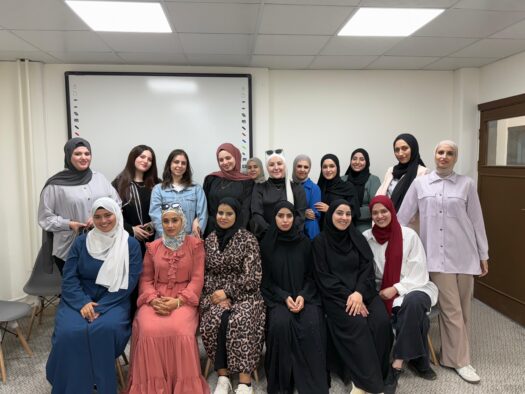
How Women are Harnessing Jordan’s Green Economy

Jordan’s growing green economy is creating new conversations around sustainability, innovation, and climate resilience—at the same time, it is also…

Read More
An Innovative Mobile Strategy for Changing Perceptions of Family Planning in Kwilu Province, DRC

An Innovative Mobile Strategy for Changing Perceptions of Family Planning in Kwilu Province, DRC  

Aller à la traduction en français >> A Golden Opportunity Vincent Aseme Talasi, 42, is a father to six children.…

Read More

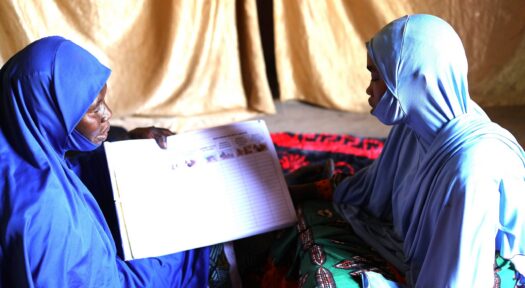
Dissolving Mistrust through Dialogue: How the RMA Model Transformed the Life of a Couple in Niger

Jump to English translation. Dissiper la méfiance par le dialogue Comment le modèle RMA a transformé la vie d’un couple…

Read More

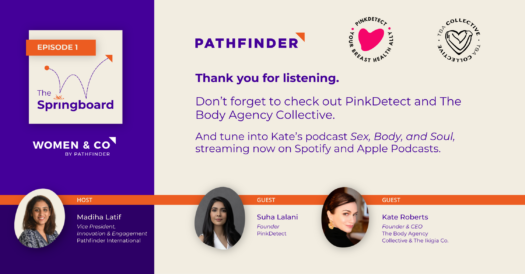
New Podcast: The Springboard!

Women Building What the World Was Missing In our inaugural episode of the Springboard podcast, we gathered visionary leaders who…

Read More