Can you name it?
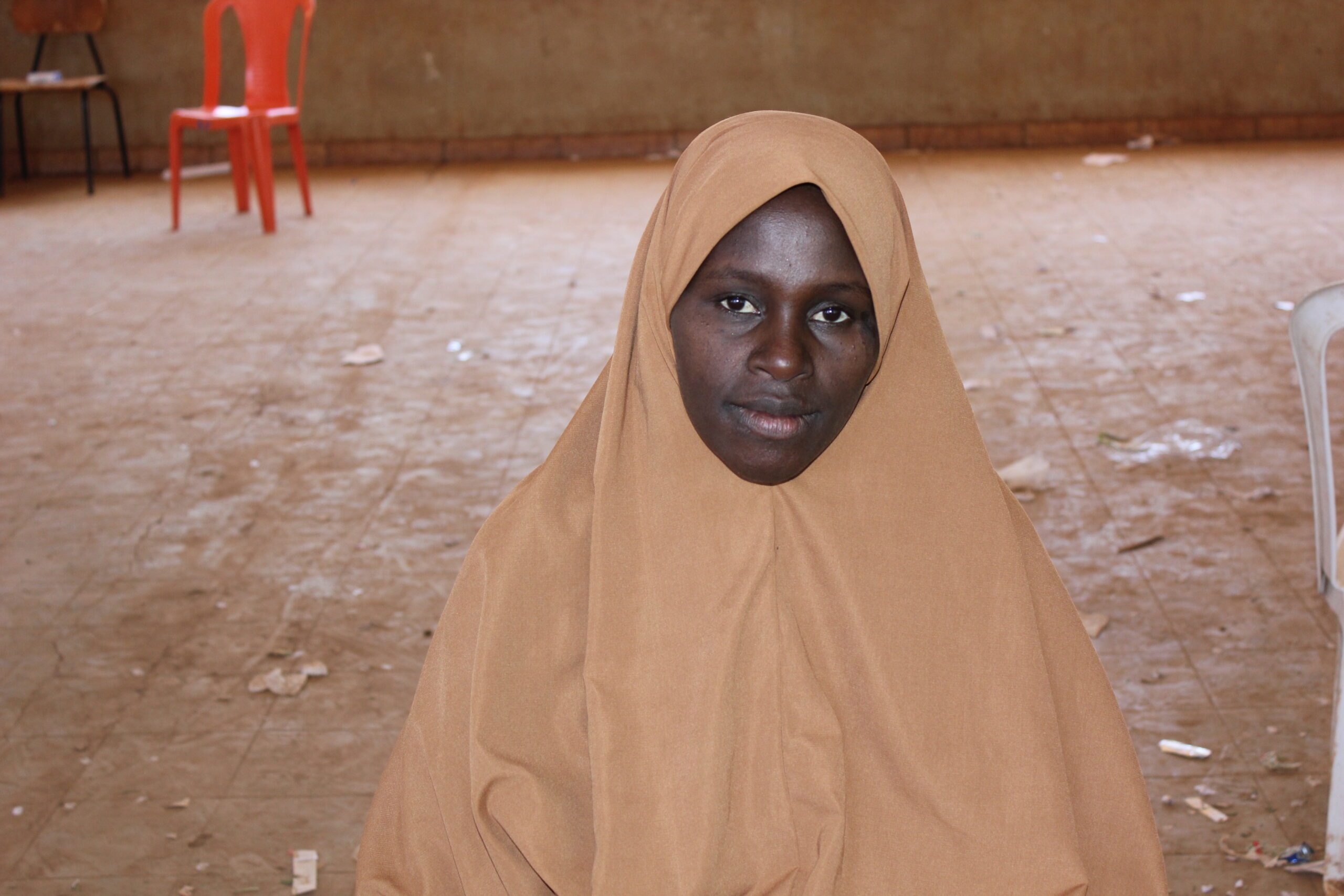
Like too many girls in rural Ethiopia, Hawa’s future was not hers to choose. She never attended school. Her parents arranged her marriage. By 14, she was pregnant.
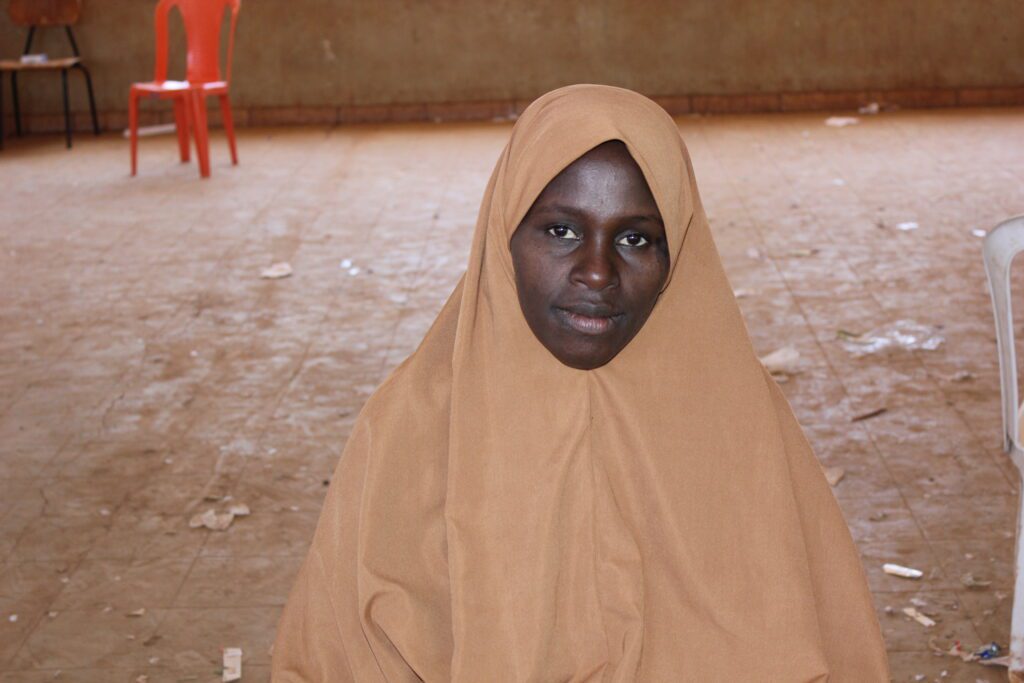
Giving birth was one of the most difficult experiences of her life, and she wants you to know about it.
For four days, she labored at home, frightened and in pain, before someone transported her to a hospital that could save her life. It took six hours to get there.
Hawa doesn’t remember what happened next. She was unconscious. When she finally woke up, she learned she had a stillbirth.
And there was something else—she was now continuously leaking urine. It wouldn’t stop.
Making women disappear
Hawa suffered from obstetric fistula, a devastating condition that afflicts over a million women every year. Most live in places where girls are married young and become pregnant before their bodies are ready. It happens where home births are common, without a skilled provider to help if something goes wrong.
So what is obstetric fistula exactly?
Days of obstructed labor—with the fetus’s head and other hard parts pressing hard against a woman’s pelvis—cuts off blood supply to the delicate tissue of her birth canal. The tissue dies and eventually falls away. It leaves a hole between her vagina and her bladder (and sometimes between her vagina and rectum).
Without help, girls with obstetric fistula can face infection, kidney disorders, and even death. For many, that’s not the worst part.
“This was my shame and embarrassment,” said Hawa. Rejected by her community, she rarely left home. When she did, she covered herself with as much clothing as she could to absorb the urine. She had no control of the smell or the scornful way people looked at her.
“I isolated myself from others. I stopped going to weddings or funeral gatherings or the mosque for prayer.” Hawa hid herself away for 17 years.
A violation of human rights
Obstetric fistula is almost unheard of in places with high quality, comprehensive obstetric and medical care. And yet, millions of women around the globe are suffering from a condition that is both preventable and treatable.
“We should all be outraged,” says Dr. Kidest Lulu, Pathfinder’s Deputy Country Director in Ethiopia. “Where you live shouldn’t determine whether you live or die in childbirth—or suffer needlessly. This problem reflects a grave injustice. And it shows why Pathfinder’s work so important.”
Since 2008, Pathfinder and our partners have formed a close partnership with the Ministry of Health of Ethiopia to achieve three goals:
1. Stop obstetric fistula before it starts by preventing early pregnancy
8,500+ religious and community leaders have been trained to promote gender equality, delay early marriage, and share information about healthy timing and spacing of pregnancy through our latest program in Ethiopia. Over 23,600 early marriages were canceled or deferred.
2. Build the skills of health providers
More than 45,900 providers were trained to deliver reproductive health and contraceptive services. 12,000 providers were trained to deliver maternal and newborn health services, including emergency obstetric care.
3. Bring treatment and hope to women
The vast majority of fistula cases can be treated with simple surgery. We helped more than 7,000 women learn about their condition—and connected them with fistula repair services.
Hawa was one of them.
Pathfinder helped me greatly. Not only did they cover the transport costs for me and my sister, who accompanied me [to the hospital]. They also gave me important sanitary items, like diapers, as well as soap and new clean clothing, so I could make the journey with dignity.”
Hawa’s surgery at Assela University Hospital was a success. She returned home eager to see her family—to be close. She even visited the local market, her first outing in her community in years.
Today, Hawa smiles as she says, “My life has changed completely.”
For 17 years, Hawa hid away. Now she speaks out, sharing her very personal story with local leaders and supporters like you. She wants people to take action. She knows there’s no excuse for women to suffer when we know how to help them.
TAKE ACTION FOR HAWA
By supporting our work, you change the lives of women like Hawa. Now share her story with someone who cares about women’s rights and justice. Hawa has the courage to speak out. It’s up to us to listen.
This work was made possible through the Integrated Family Health Program and the Evidence to Action (E2A) Project, funded by USAID and led by Pathfinder. We are proud to support the Federal Ministry of Health’s goal of eliminating obstetric fistula in Ethiopia by 2020.
Contributor: Anne Nolan, Pathfinder’s Director for the Fistula Elimination Program, 2014–2017