As an American student I remember explaining to my teacher at age thirteen that my menstrual cramps were so strong that I could barely stand, and asking if I could be excused for a few hours to visit the nurse. Just as clearly, I remember him telling me that I was either a liar, a baby, or both, before forcing me to stay in the classroom, humiliated and in pain. I also remember that through our entire adolescence, my friends and I were taunted by our boy peers and even sometimes school staff, loudly proclaiming that our periods must be to blame for everything from a poor test grade to a missed goal on the field.
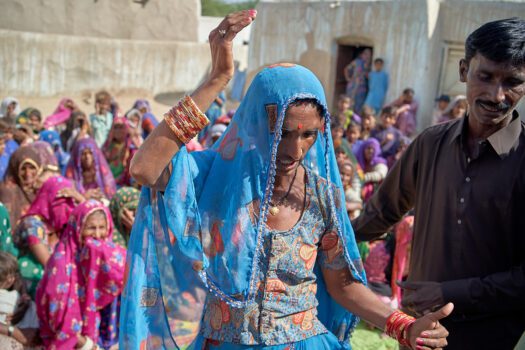
The physical, emotional, financial, and social challenges that managing periods and navigating their stigma present to adolescent girl students is universal, something girls everywhere from Ethiopia to the United States have in common. In some places, the stigma can be so prohibitive that it stops girls from going to school altogether. Yet it does not have to be this way. Change is coming.
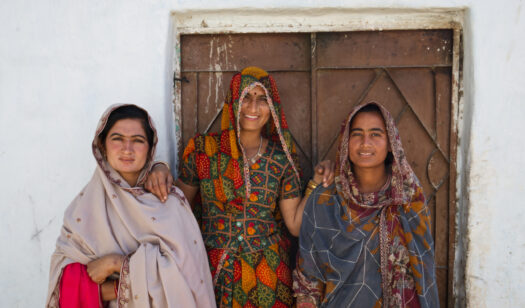
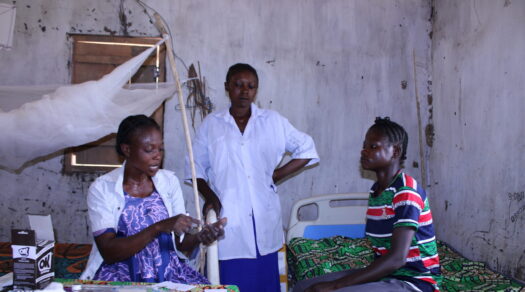
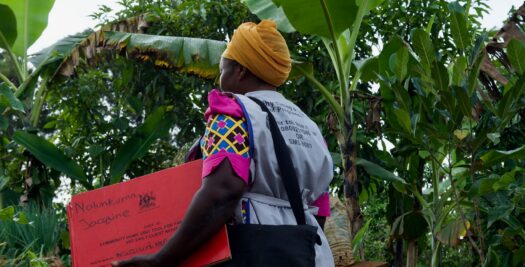
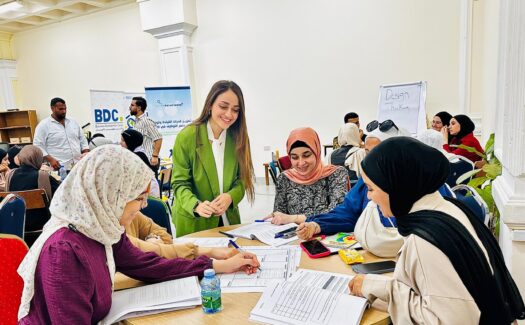
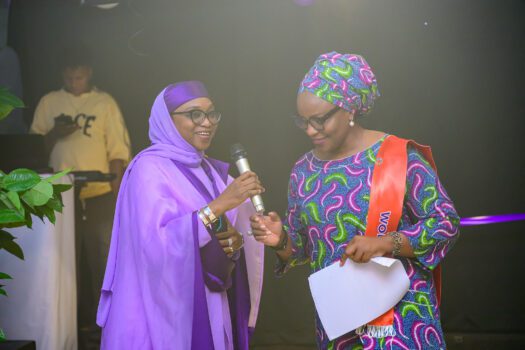
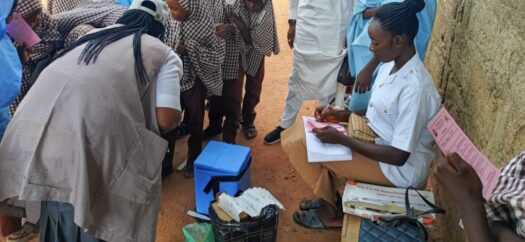
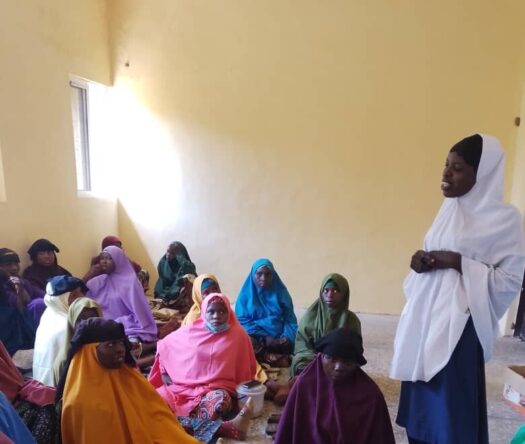
The Act With Her project joins a growing global movement of girls and changemakers who are advocating for better menstrual health and hygiene management, particularly during adolescence and within school environments. Led by Pathfinder International, CARE International, and the Government of Ethiopia, Act With Her is a five-year multi-sectoral project designed to lay the health, education, and social foundations that adolescent girls and boys need to thrive. Working through a group-based empowerment platform in rural regions of Ethiopia (including one pastoralist area), adolescents are supported to explore and cultivate new skills across a wide range of health, nutrition, education, safety, gender, and economic empowerment themes. Puberty and menstruation education are core topics covered for the youngest adolescent participants, ages 10-14.
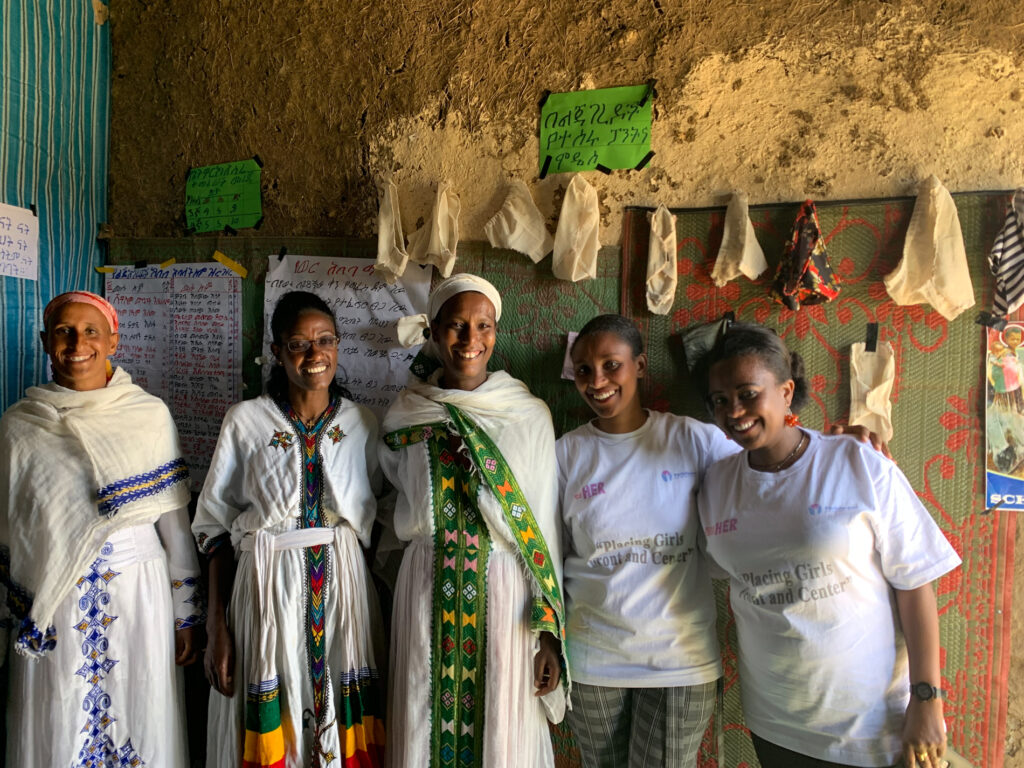
People are ready to tackle the taboo
Act With Her uses something called a ‘gender-transformative’ approach, which means we spend just as much energy orienting and openly engaging their boy peers, families, and communities on adolescent and gender issues as we do for the girls themselves. And, if our recently completed first round of implementation is any indication, there is a massive amount of unmet appetite for information and open discussion about menstruation.
We anticipated that girls themselves would welcome gaining a better understanding of their bodies, and information and skills that allowed them to more successfully manage their periods. But we have been surprised at just how passionately many of the girls’ families and allies have received and acted upon the same information. During a parents’ group discussion, one mother of an adolescent girl told us that during what became her last year of school (grade six) she was absent from school for a week due to menstruation and missed the final exam. She said, “I always regret and feel sad about that situation.” After feeling bolstered by the group discussions, she reported sharing her own bad experience with her daughter for the first time, and has committed to helping her avoid similar challenges.
Small doable changes at school = a big difference
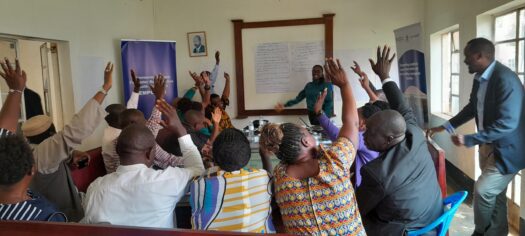
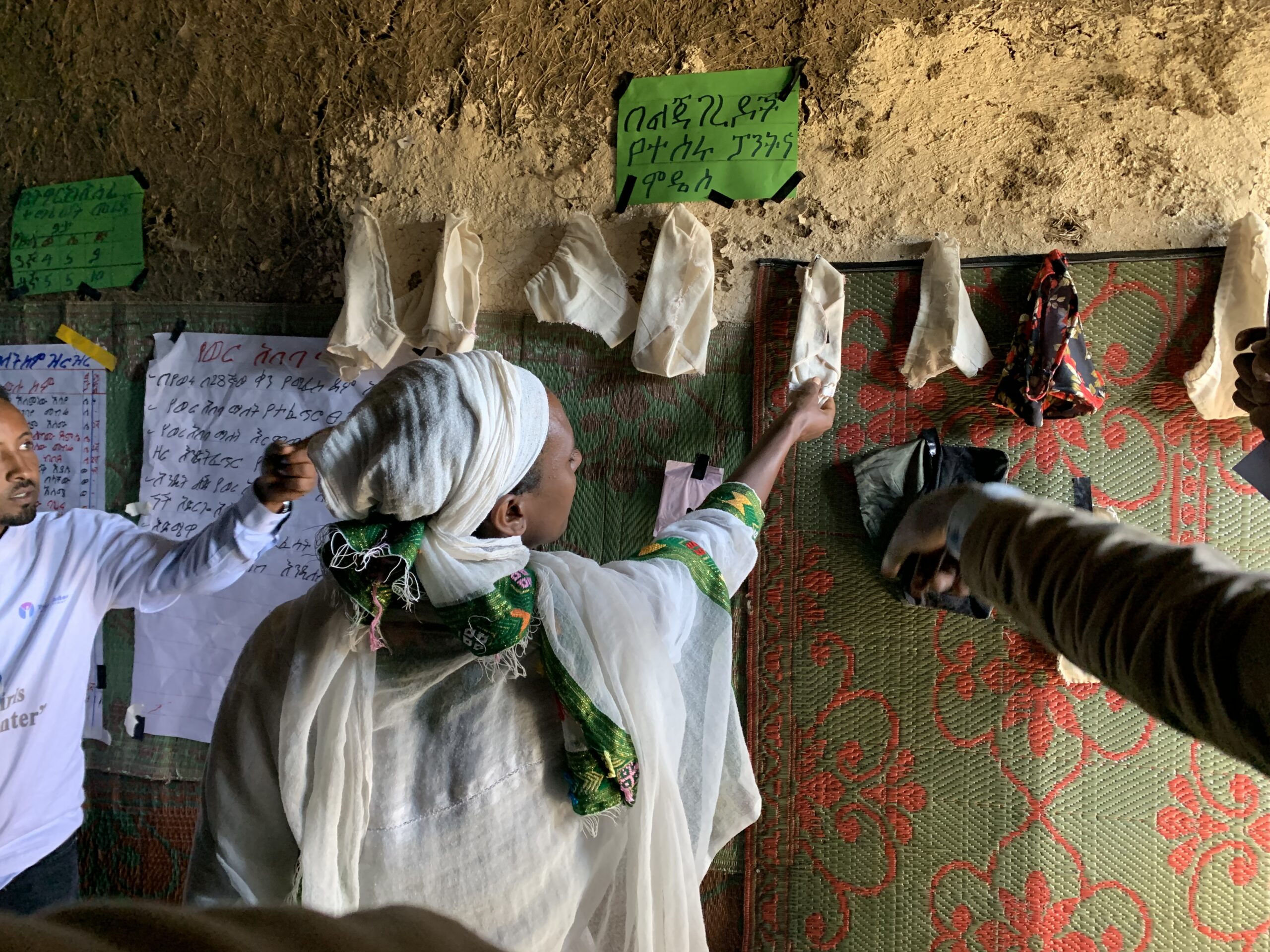
The Act With Her team knows that peer and family support are clearly essential yet not sufficient for girls to successfully navigate the school setting while menstruating. That’s why we are helping the government of Ethiopia continue to scale up a Menstrual Health Management (MHM) training that they had developed in collaboration with UNICEF, specifically designed for the school setting. The goal for each school is to become an “MHM Model School”, which requires not only fulfilling minimum site requirements, like sex-separate toilets, washing and waste disposal stations, and educational materials, but also achieving a reduction in the number of girls dropping out due to menstruation. Working with UNICEF and the relevant Ethiopian regional health bureaus we delivered this training to school directors and staff, school girls’ club coordinators, and health extension workers in each of our project areas. Teachers were especially excited about the session that instructed them on how to make and have available re-useable sanitary pads for students in need.
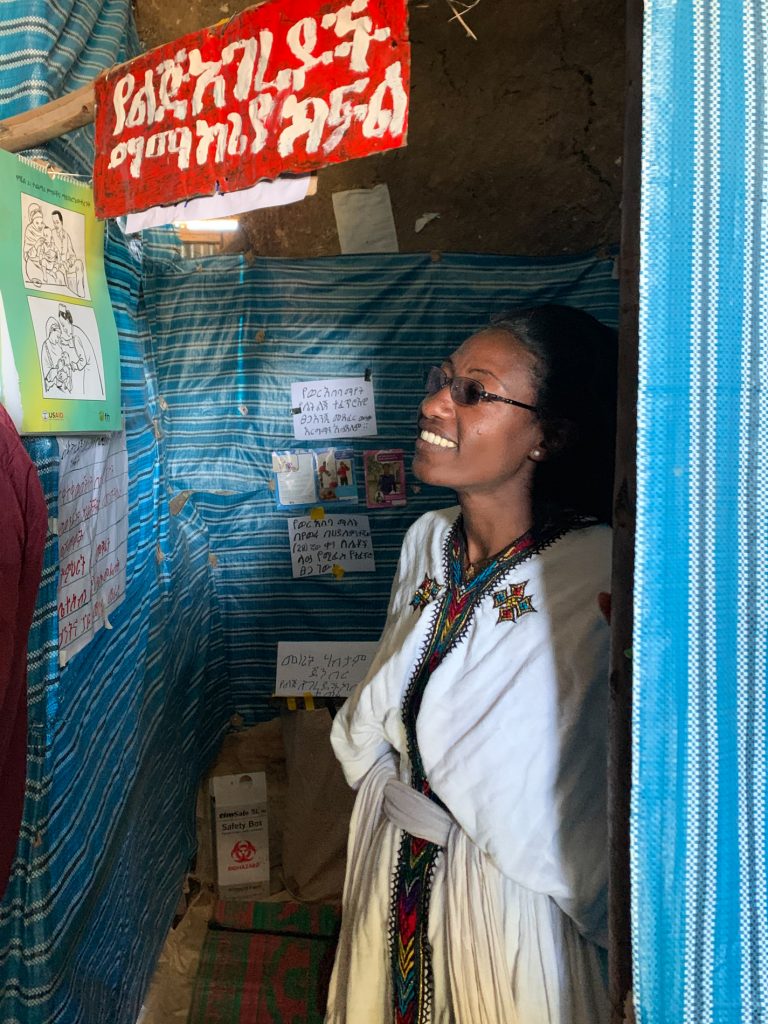
As part of a visit this month to celebrate the girls, boys, and parents who have completed the 10-month empowerment program in one village, I had the pleasure of seeing their local school as well – the Yewiha Midir Primary School in Aqabit Kebele of the Amhara region. The school’s director and head staff had participated together with local health teams in the MHM trainings. I was amazed at how quickly they had worked together to enact significant changes to better support menstruating students.
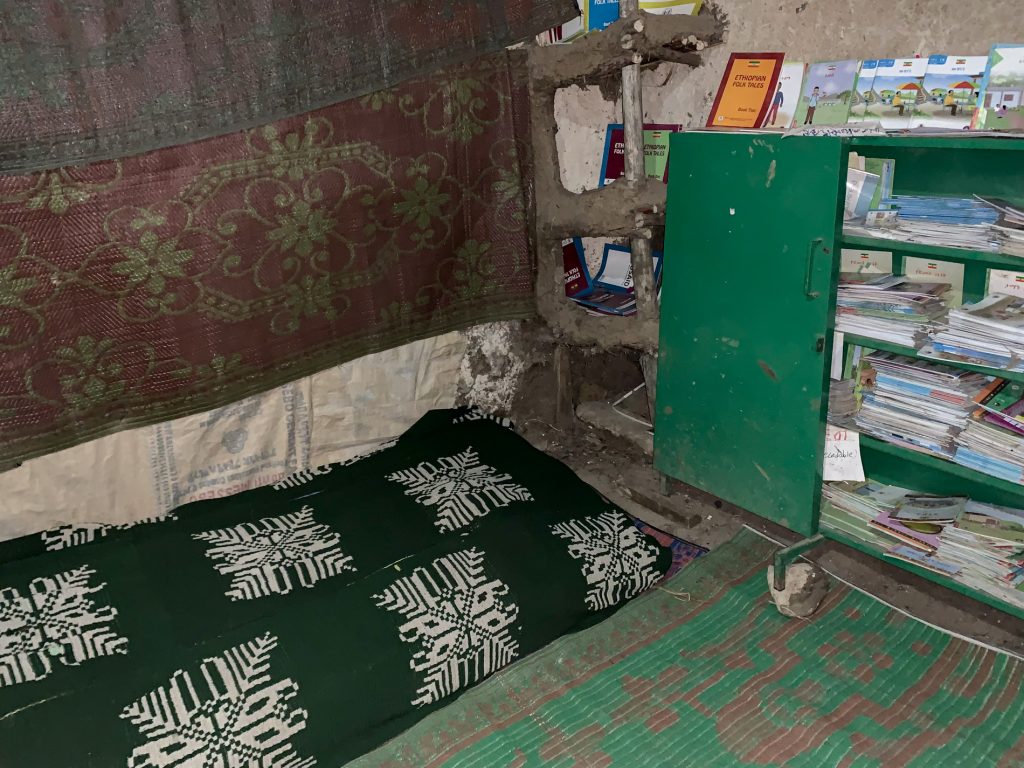
Within only two months after the workshop, this rural and quite low-resourced school had fully met the minimum standards set by the MHM training using funds they proactively raised themselves, and by re-purposing school spaces that had previously included part of the school director’s own office. An entire portion of a building has been newly dedicated to MHM, with an entryway showcasing re-useable pad construction, and three separate rooms set aside for counseling, washing and hygiene, and resting (complete with books for passing the time!). My thirteen-year-old self would have been so grateful if my peers, community, and school had been as understanding and visibly supportive.
Toward a future where period support in school is a no-brainer
It doesn’t take much time or funding to simply open up conversations and spread menstruation information, so we hope that global momentum continues to gather speed. Given the deep-seated and persistent taboos attached to menstruation in countries like Ethiopia and beyond, our team has been thrilled with the enthusiastic reception from parents, brothers, community leaders, and school officials that have expressed appreciation for the open dialogue and have moved swiftly to make positive changes for the girls in their lives.
Girls themselves, of course, make their own best champions. Put succinctly by a young adolescent girl from Act With Her in Amhara, “[Before] I thought that if I see menstruation, I will drop [the class], but now I can understand that it is not the reason to drop my education. I also advise my friends to not drop their education because of menstruation, too”.
Act With Her receives funding from the Bill & Melinda Gates Foundation, and a randomized evaluation to assess the model’s impact is being conducted by the UK Department for International Development (DFID)-funded Gender & Adolescence: Global Evidence (GAGE) research consortium.