Health workforce shortages plague Kano state’s health system in Nigeria, where for every 10,000 people, there are only 3 health workers available to provide care. This critical workforce gap puts immense strain on frontline staff, especially the Community Health Extension Workers (CHEWs) at rural primary health centers.
The cost to mothers and children is especially devastating: 1,049 women die of pregnancy-related complications for every 100,000 live births and 103 infants die among every 1,000 who are born. The need to deliver quality care, particularly for maternal and newborn health, is urgent.
To better redistribute essential health service delivery tasks among available health worker cadres, Kano state adopted a Task-Shifting Task-Sharing (TSTS) policy.
Addressing a critical health workforce gap
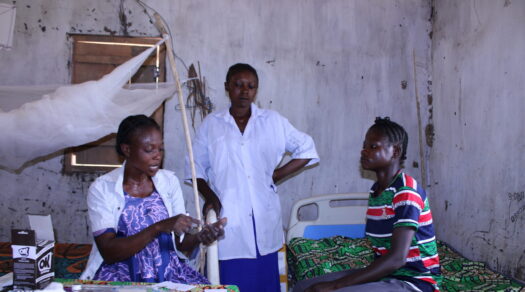
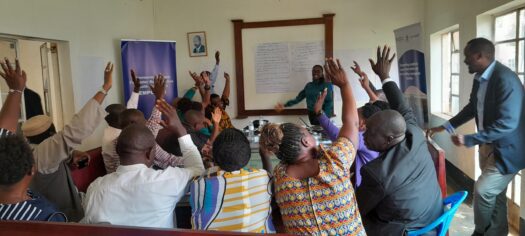
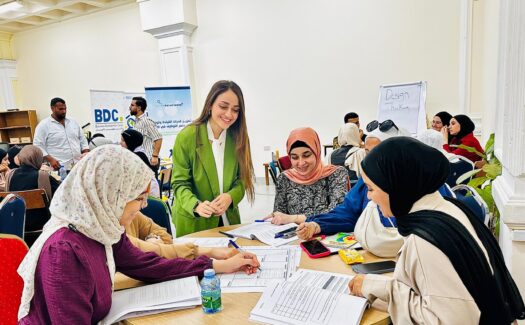
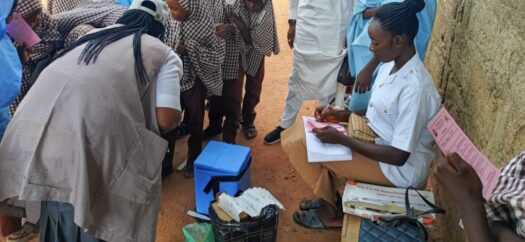
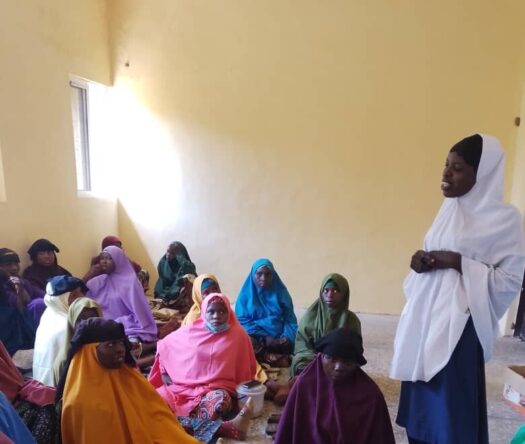
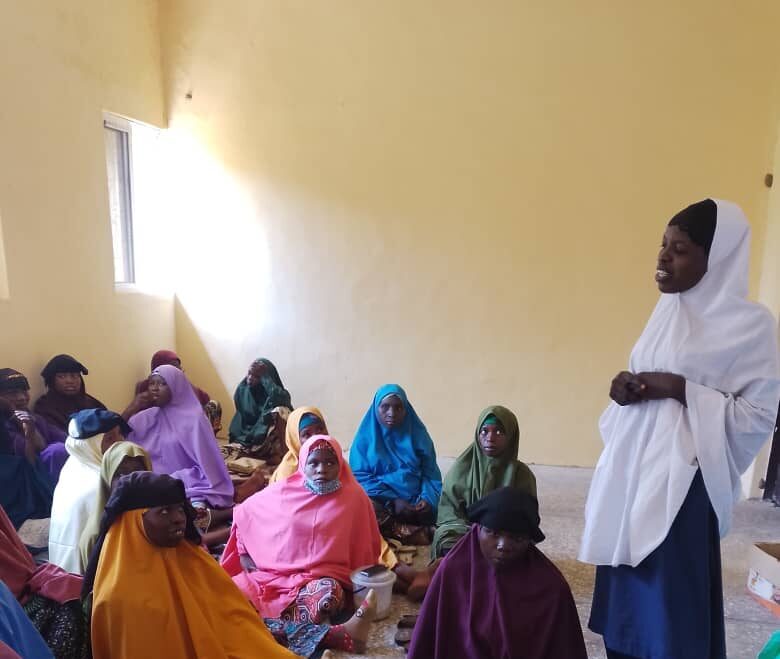
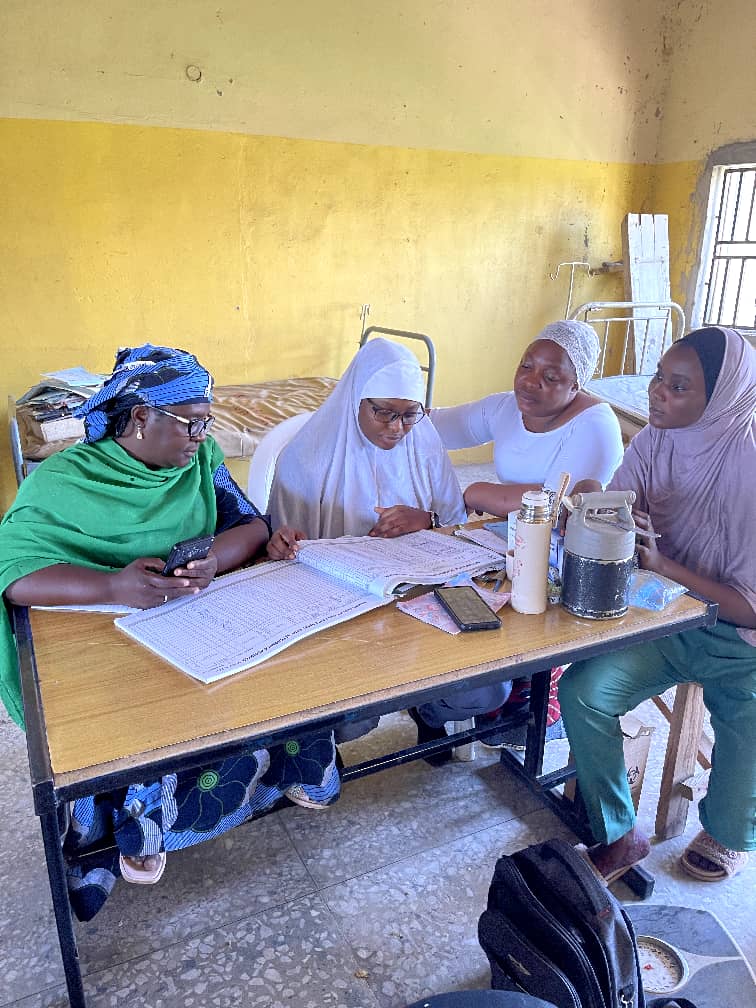
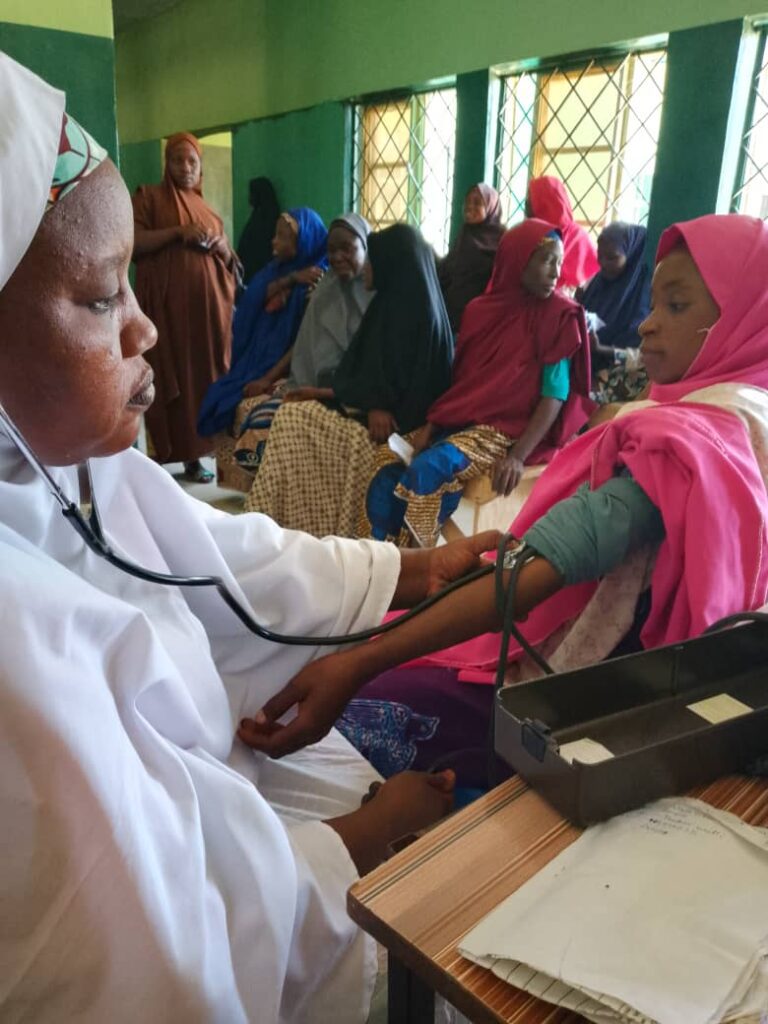
Pathfinder International and Impact Catalysts, in collaboration with government partners, took this policy from paper to practice through the TSTS Project in Kano. The program equipped 145 health care workers across 26 Local Government Areas (LGAs) with hands-on training in core primary health care competencies, from maternal and newborn health to family planning, immunization, and data use.
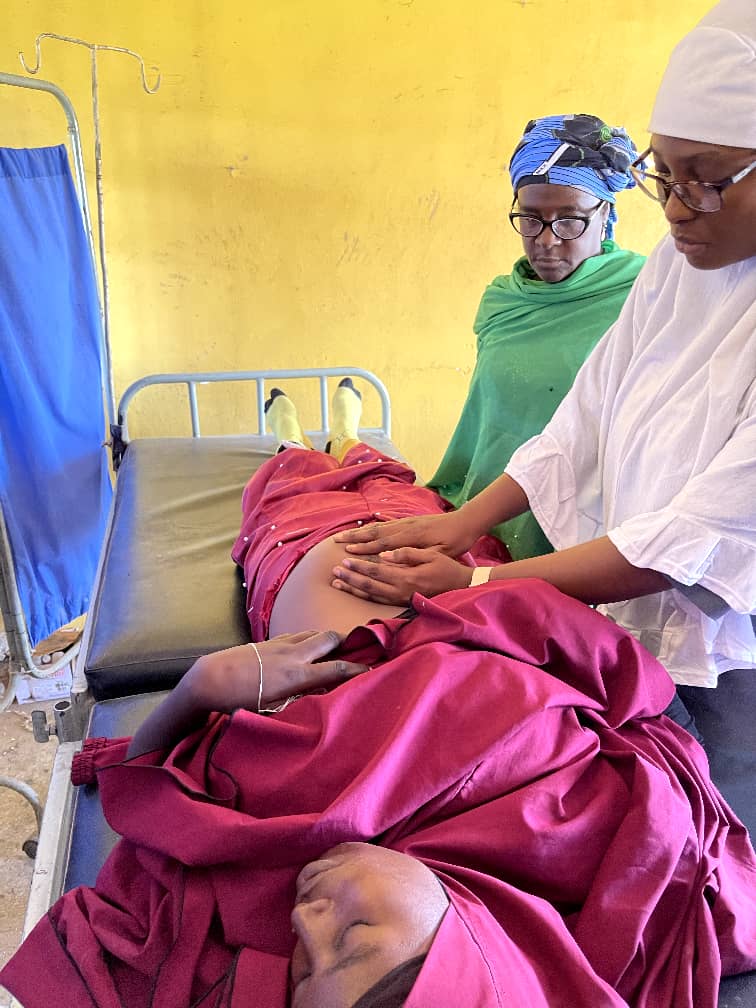
Mentorship played a central role. Clinical mentors and LGA Monitoring and Evaluation Officers provide on-the-job guidance, helping providers apply their skills with confidence and use data to improve service quality.
“Before this training, newborn resuscitation used to scare me. After the mentorship, I feel confident and ready. Just last month, I successfully resuscitated a newborn, and that moment reminded me why these skills matter.”
—CHEW, Kano State
The initial results from this practical, supportive model are promising. Facilities that were once inactive or underperforming began to improve.
| Facility | Deliveries Before Training | Deliveries After Training |
|---|---|---|
| Faruruwa Primary Health Center | 0 | 3 |
| Gofaro Primary Health Center | 0 | 8 |
| Kurugu Health Post | 2 | 7 |
| Kutama Primary Health Center | 7 | 12 |
Data from participating primary health centers also showed measurable service improvements between August and September:
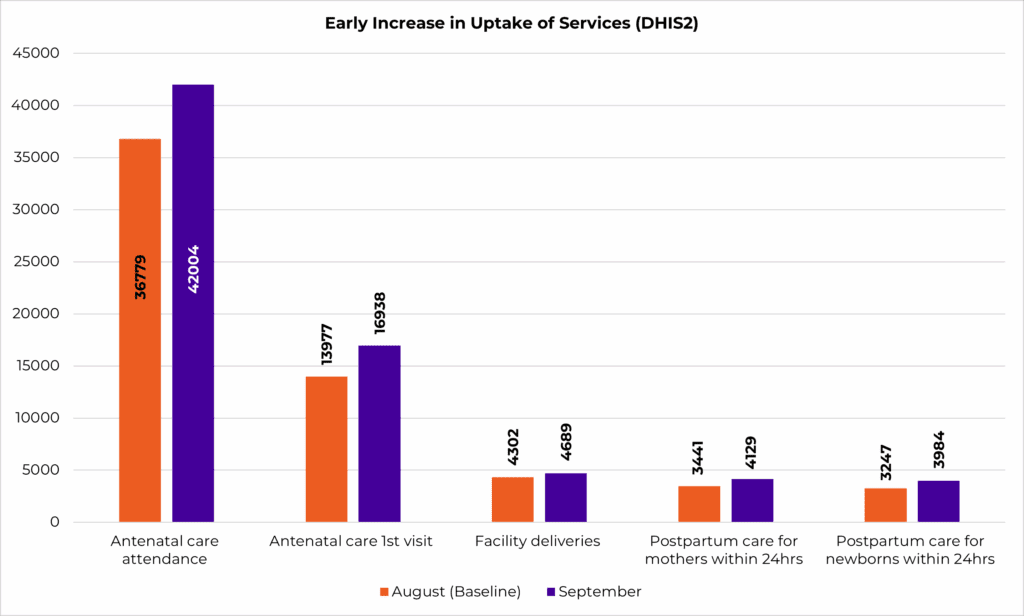
These gains reflect not just new knowledge, but renewed confidence and stronger teamwork across the health system.
Rahama primary health center leads the way
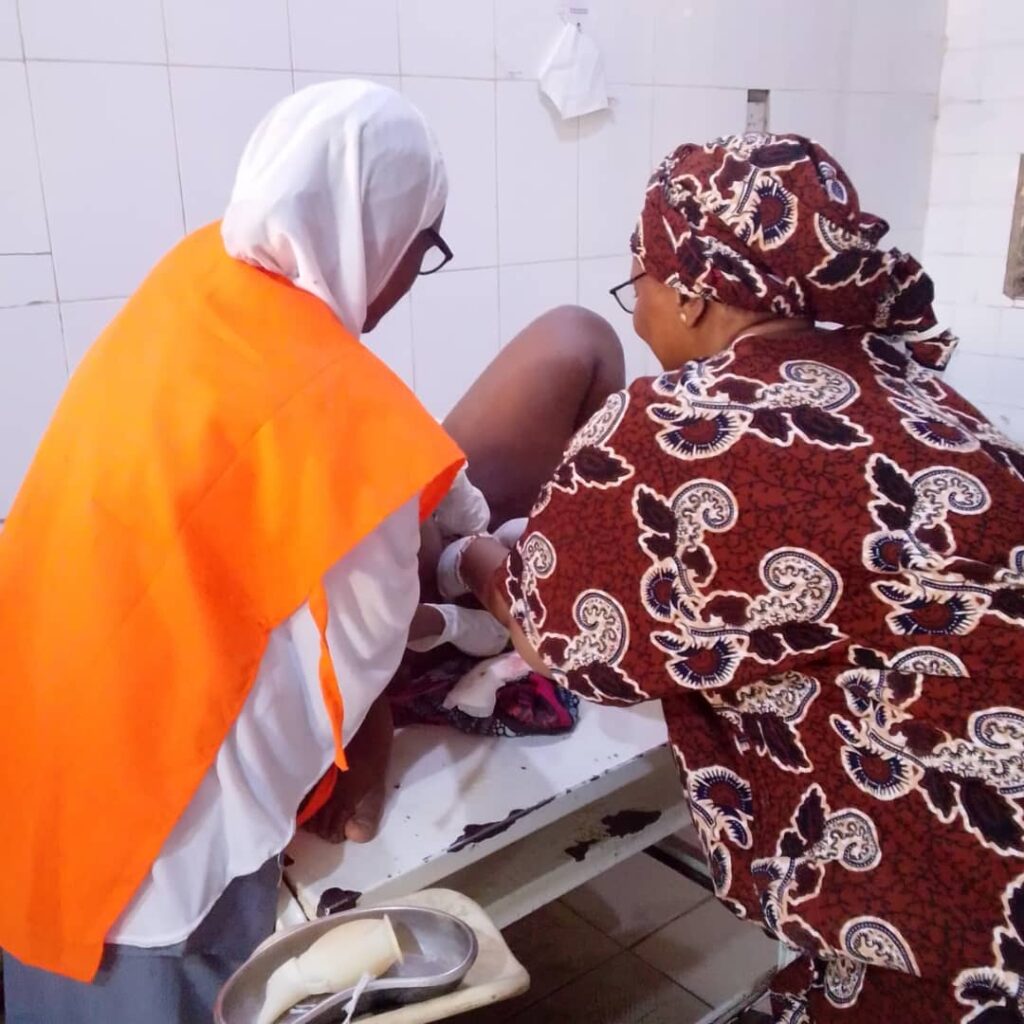
On November 4, 2025, Rahama Primary Health Center in Bebeji LGA experienced one of its busiest days with nine women in labor, one expecting twins. Without mentorship, such a day might have overwhelmed the team. Thanks to the mentorship-led guidance of Hafsat Yusuf, a TSTS mentor, all nine deliveries, including the twin birth, were successfully managed without complications, postpartum hemorrhage, or neonatal deaths. The team demonstrated remarkable skills in labor monitoring, safe delivery, and immediate newborn care. Babies were immunized promptly, and mothers received essential postnatal attention within hours of delivery.
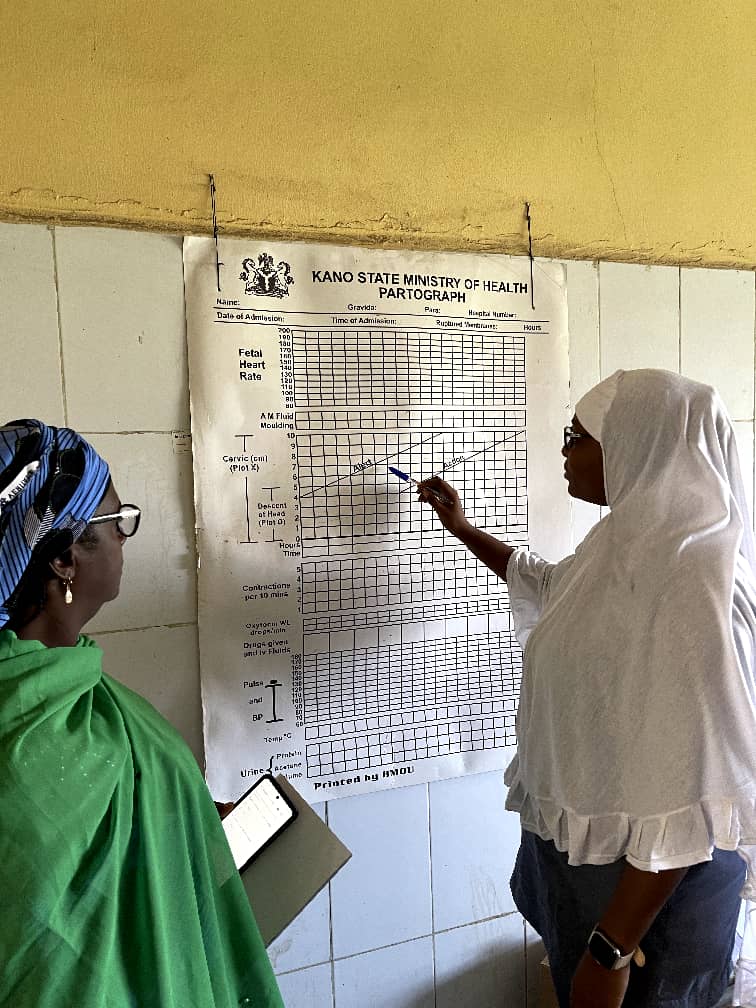
“I was struggling with partograph filling, but my mentor’s guidance improved my skills. I can now track labor progress accurately and make informed decisions.”
—CHEW, Bebeji LGA
Learning and impact
The Rahama experience illustrates the power of mentorship as a catalyst for transformation. It demonstrates that when healthcare workers are supported to learn, apply, and lead, the outcomes are immediate and lasting.
“The mentorship has empowered me to take charge of my facility. I can now provide quality ANC, delivery, and postnatal care to my patients.”
—CHEW, Shanono LGA
The Kano TSTS model’s success can be traced to three core principles:
- Mentorship matters. Continuous, hands-on guidance bridges the gap between training and real-world practice.
- Data drives improvement. Facilities that track performance are more responsive to community needs.
- Confidence saves lives. Empowered providers deliver safer, more compassionate care.
“The TSTS training has been a game-changer for our healthcare system. We have seen a significant improvement in the quality of services provided by our healthcare workers, and our M&E officers are now better equipped to track progress and identify areas for improvement.”
—Zonal Monitoring & Evaluation Officer
Looking ahead
Kano’s health leadership is now taking the mentorship model forward, scaling it, owning it, and anchoring it in the primary healthcare system. For Pathfinder and partners, the work is shifting from direct support to ensuring the state can carry the transformation long after the project ends.
Because each safe delivery in a small, rural health center is evidence that the system is learning, adapting, and becoming stronger from within.
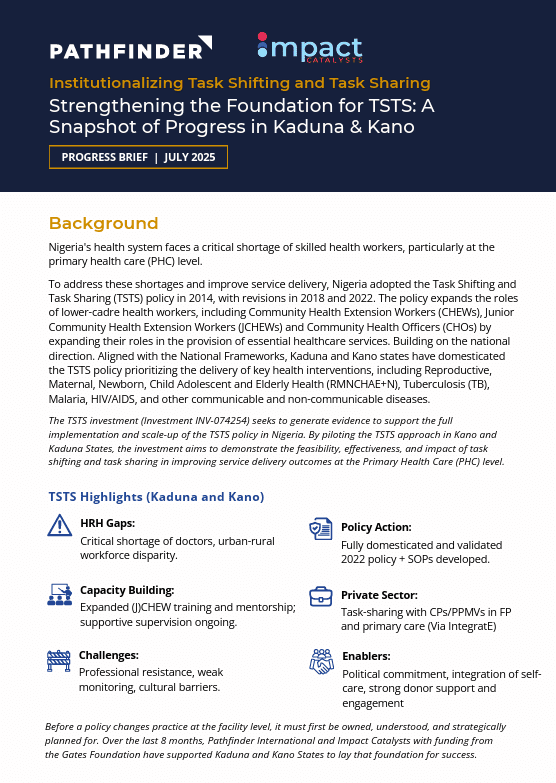
READ OUR PROGRESS BRIEF
Learn more about how Pathfinder is strengthening the foundation for task-shifting and task-sharing in Kano and Kaduna states.