Redefining Employability for a Changing World
Employability is typically treated as a technical problem: a matter of skills gaps, training curricula, and labor market alignment. But in practice, it is far more complex. In contexts shaped by structural inequality, regional instability, climate pressure, and often restrictive gender norms, employability is not just about whether people are qualified for work—it is about whether systems are designed to include them.
In Jordan, Pathfinder International has observed how traditional approaches to workforce development have struggled to keep pace with the rapidly changing world of work. As new green and digital sectors emerge, the challenge is no longer simply preparing individuals for jobs, but rethinking what employability means in the first place.
A System Under Pressure
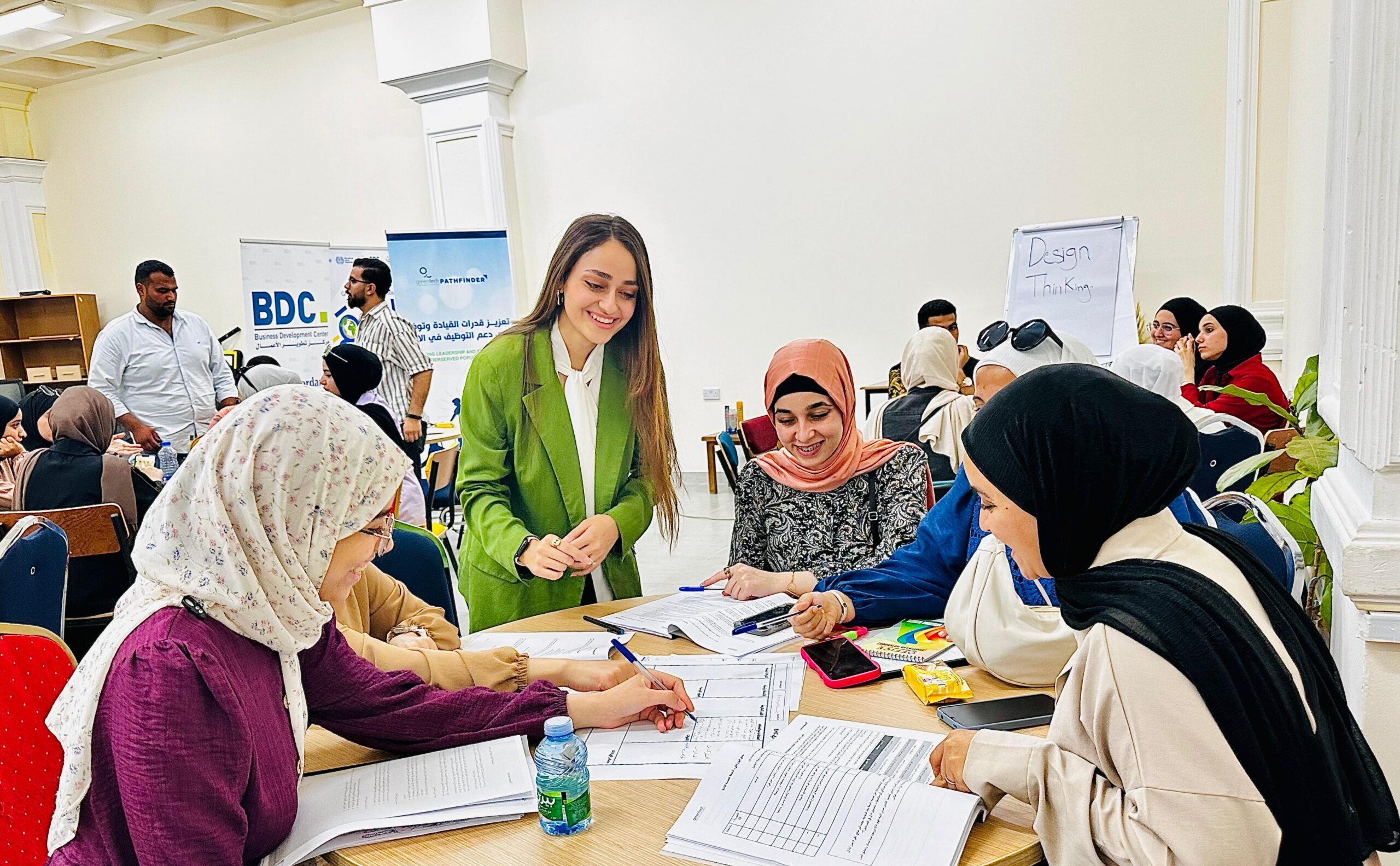
Jordan faces one of the highest youth unemployment rates in the region. For young people, particularly recent graduates, the transition from education to employment is becoming increasingly uncertain. Many leave university with qualifications but little exposure to real workplaces, professional networks, or labor market expectations. Many young people in Jordan are caught between their goals and a seemingly impenetrable job market.
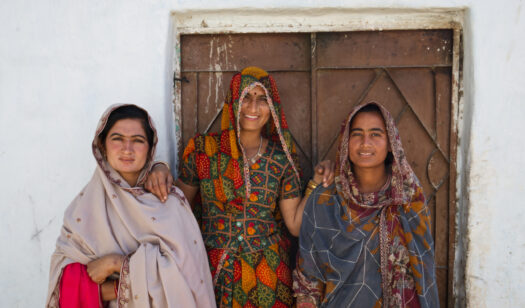
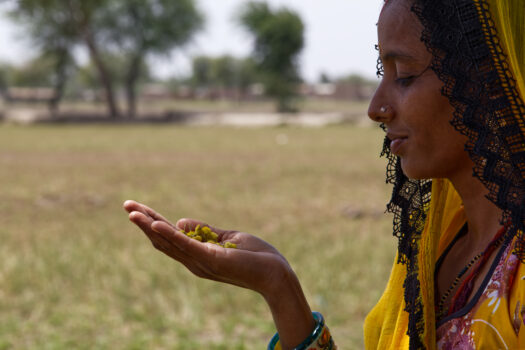
For women, the barriers are even greater. Social norms, limited mobility, care responsibilities, and lack of access to finance and markets mean that many women—especially in rural areas—are excluded from economic participation altogether.
“The job market here is so weak, but the youth are very well educated. We often just lack these employability-specific skills in order to close that gap.”
—Participant in Livelihoods Program Youth Track
These challenges are compounded by a rapidly changing world of work. Climate pressures, economic instability, and the rise of green and digital sectors are reshaping labor markets faster than traditional systems can adapt. The result is a growing gap between people’s potential and the opportunities available to them.
“For us, as women in [Mafraq, North Jordan], finding work was nearly impossible. There are significant cultural barriers. It’s often hard for us to convince our family and our community to accept that we want to work and that we want to provide for our families.”
—Participant in Livelihoods Program Women’s Track

Where Climate Action Meets Economic Inclusion
In response, Pathfinder International launched a program called Improving Leadership and Underserved Populations in Jordan, with a strong focus on green and future-oriented sectors.
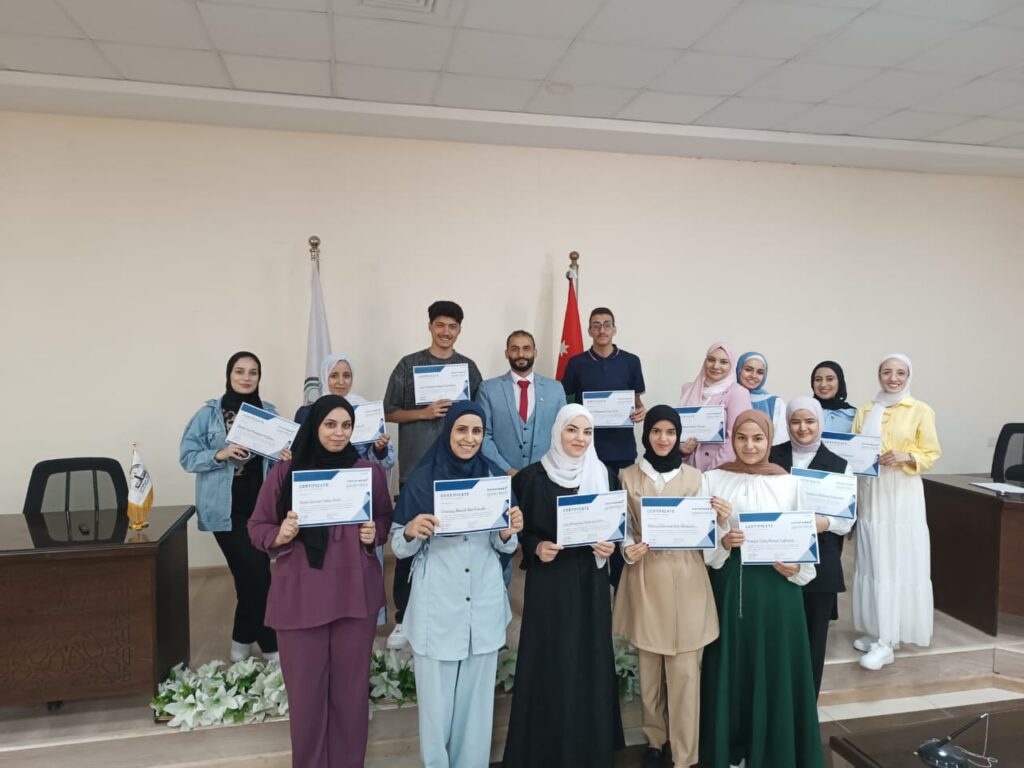
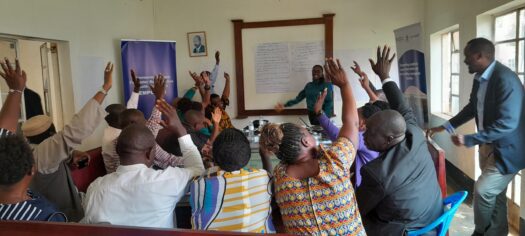
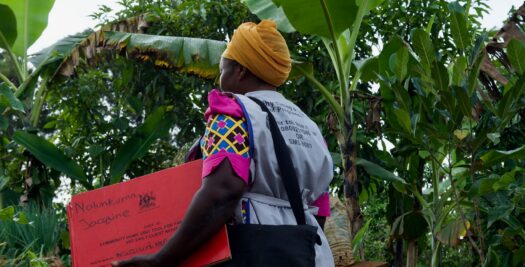
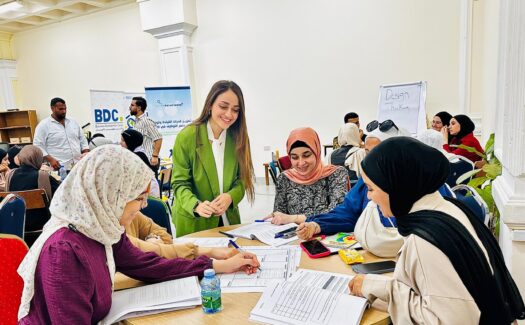
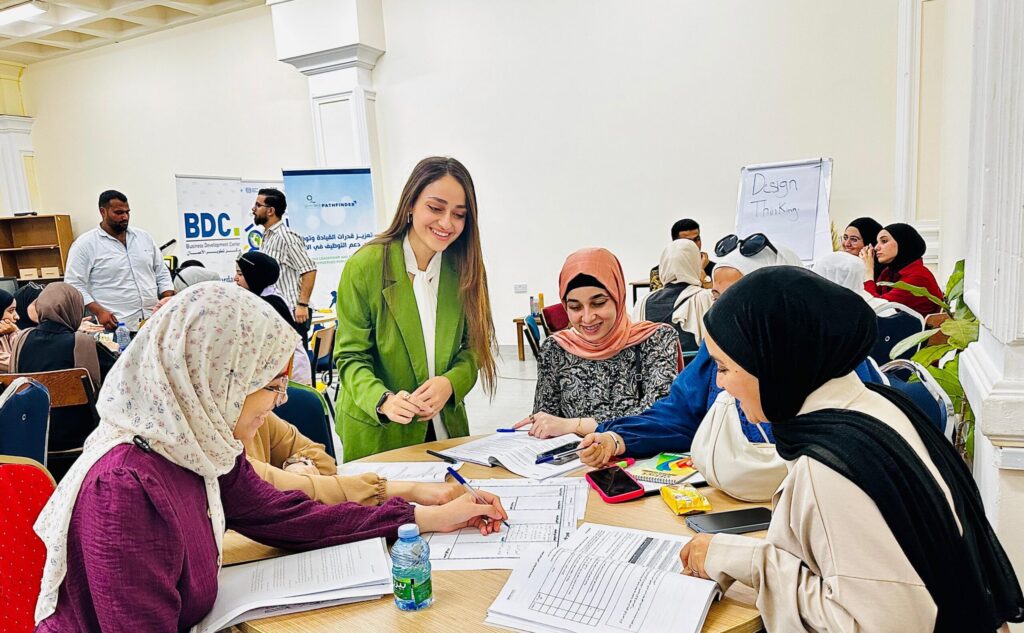
Our aim was to create real pathways into work and income generation. For youth, this meant soft skills training, career coaching, mentorship, and exposure to cleantech and green economy sectors. For women, it meant building a sustainable agribusiness model around cucumber farming and pickling, linking production directly to markets.
The idea was simple: employability should not exist in isolation. It must be connected to real demand, real infrastructure, and real economic opportunity.
Behind Every Statistic is a Story
Across the project, the most powerful insights came not from reports or indicators, but from the participants themselves.
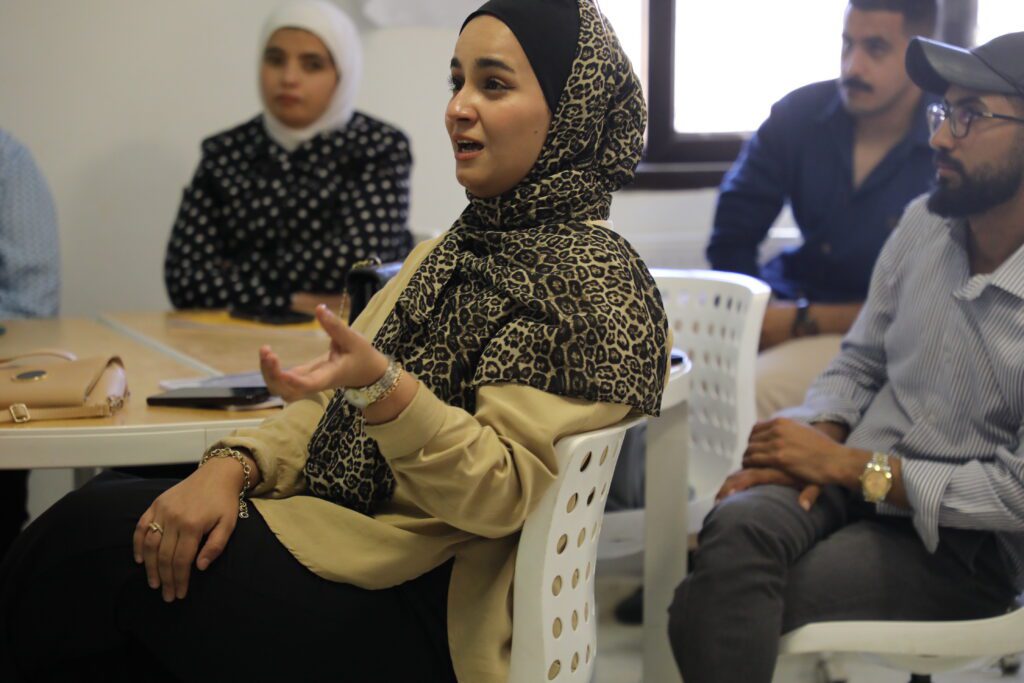
One young woman told us, “I’ve been using my new skills since day one of the workshops—I’d be crazy not to be putting everything I’ve learned into practice! Firstly, my CV and LinkedIn profile are now developed to a very high standard. Secondly, I now understand what HR departments look for when they are hiring and what can make me stand out as an applicant. Thirdly, I know my rights now as a freelancer and how to negotiate contracts to make sure they are fair for me as an employee. These are all amazing benefits for me.”
Another participant shared, “After the training, the biggest change I’ve noticed is my ability to present myself and my skills in a more professional and persuasive way […] I had a chance to present my project to a panel of donors and—thanks to my new skills—we got the funding we wanted.”
Among the women in the pickling line, the reflections were equally as striking. One participant said, “Once I turned 40, nobody wanted to hire me. This project gave me a way out.” Another explained, “People used to tell me women like me couldn’t work. Now I’m proving them wrong.”
One Syrian participant shared her story with us, “In a few words, this project is my life. When I came from Syria with my family, there was no escape from our situation and very few social outlets or opportunities. This project has been a breath of new life and comfort for me. I came here, I met new people, I learned new things… it’s been beneficial in ways I can’t describe.”
These were not just talents being acquired, they were identities being reshaped.
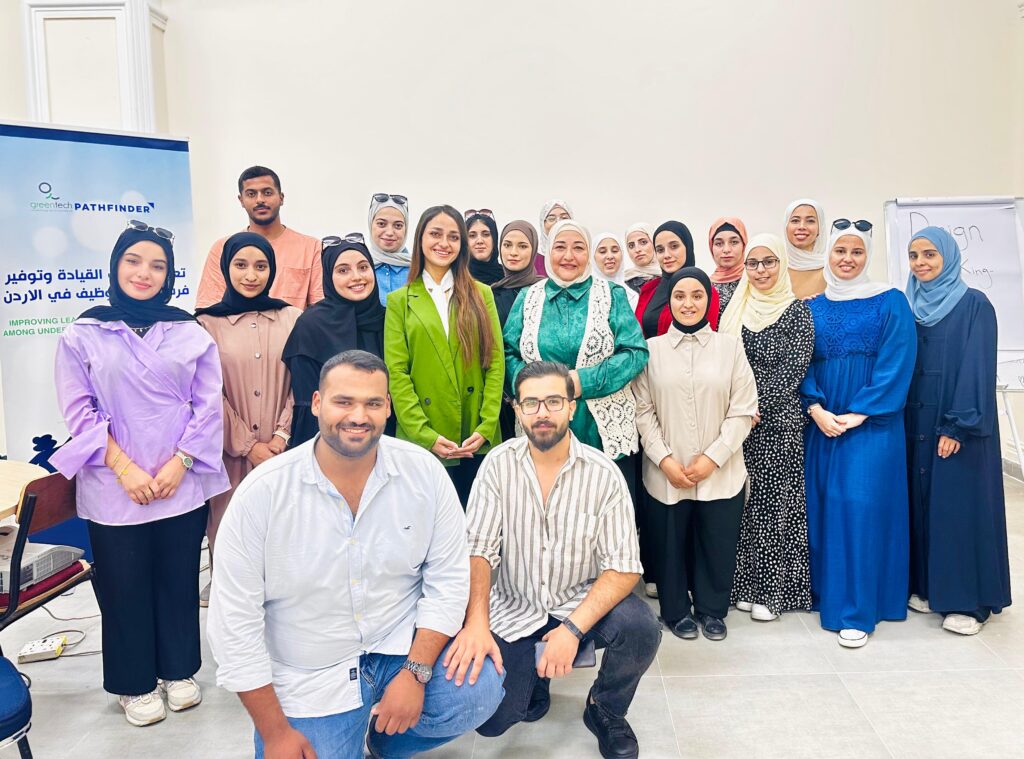
Every Skill is a Step Forward
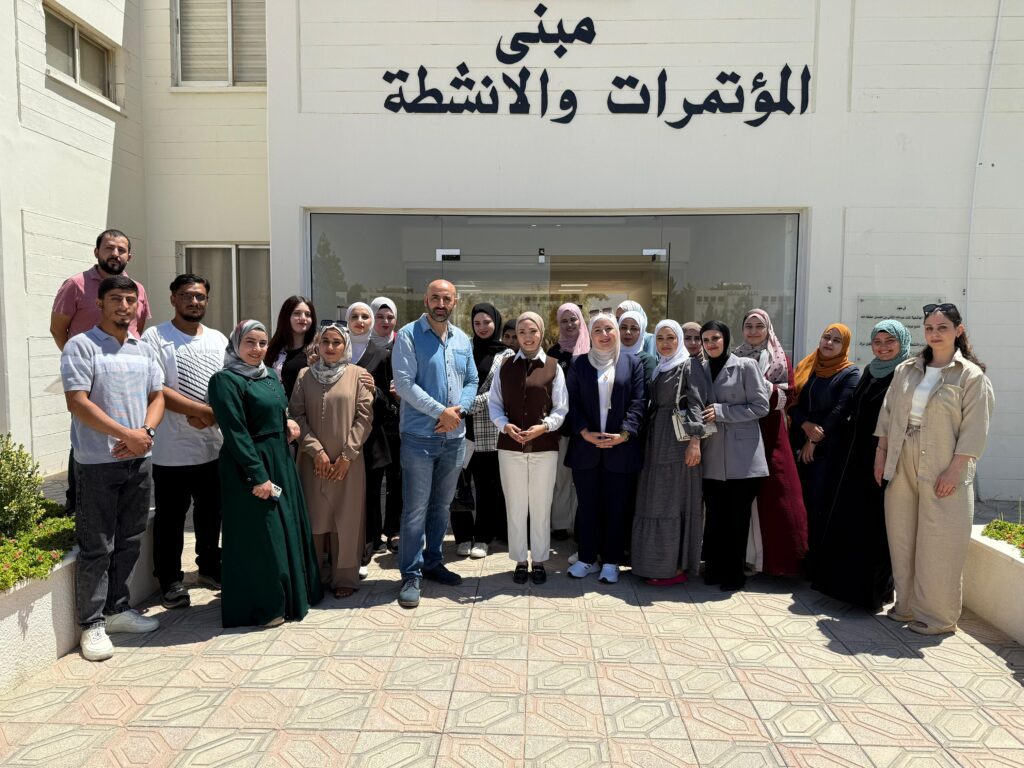
Now, 16 months into the program, the changes are visible. Participants have demonstrated stronger communication skills, greater confidence, and clearer career direction. Many have developed business ideas, improved their job readiness, and expanded their professional networks.
But perhaps the most important shift has been psychological. People have begun to see themselves differently—not as passive job seekers, but as proactive agents capable of navigating the labor market, making informed decisions about their futures, and carving out a place for themselves in the Jordanian job market.
Through the program, 150 women have found employment. As a result, these women have increased their income and improved their skills, which has led to greater decision-making power at home, stronger social connections, and renewed self-esteem.
“This project has been a new chapter for me: new challenges, new friends, new skills, and a renewed sense of hope.”
—Participant in Livelihoods Program Women’s Track
Investing in People, Not Just Projects
In a world shaped by climate change, technological disruption, and economic uncertainty, traditional employment models are no longer enough to catalyze sustainable outcomes. Training programs that operate in isolation, disconnected from markets and real opportunities, risk producing skills without futures.
“I have taken part in similar workshops in the past where I wasn’t able to gain as much knowledge because the materials hadn’t been well thought out and were far too basic.”
—Participant in Livelihoods Program Youth Track
What this program demonstrates is a different approach: one that links people to real economic systems, integrates private sector actors, and prioritizes sustainability over short-term outcomes. It moves from training to employability, and from employability to meaningful economic participation.
“The networking opportunity that is included as part of the project scope and prospect of employment at project end were really appealing to me. To be able to gain so much knowledge and then be given a chance to use it is really exciting.”
—Participant in Livelihoods Program Youth Track
Redefining employability is not just a technical challenge—it is a moral one. It requires us to see people not as beneficiaries, but as contributors; not as problems to solve, but as potential to unlock. Employability is no longer just about getting a job. It is about building resilience, agency, and the capacity to thrive in a changing world.