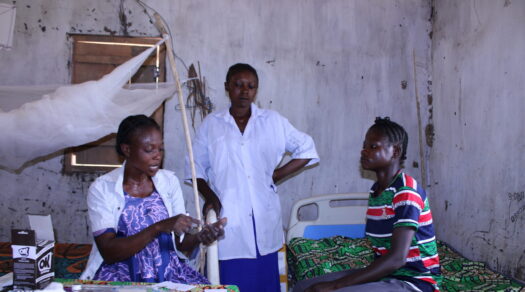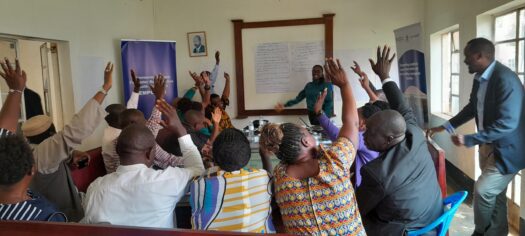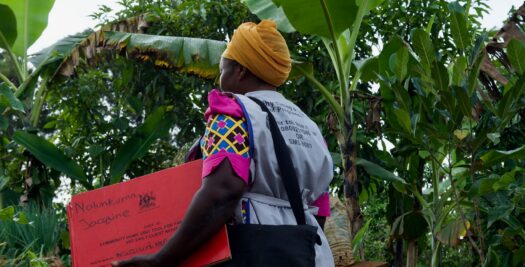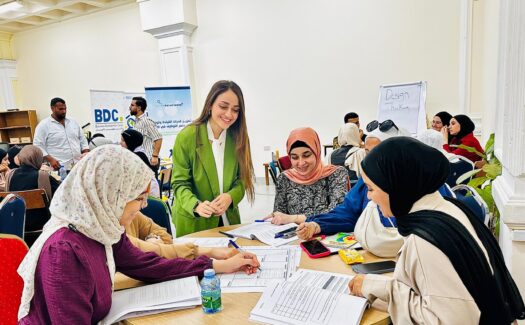
The work Pathfinder International does, everywhere, seeks to drive gender equality, and contribute to a world where women and girls, men and boys, and all people, irrespective of their gender, have equal opportunities to thrive.
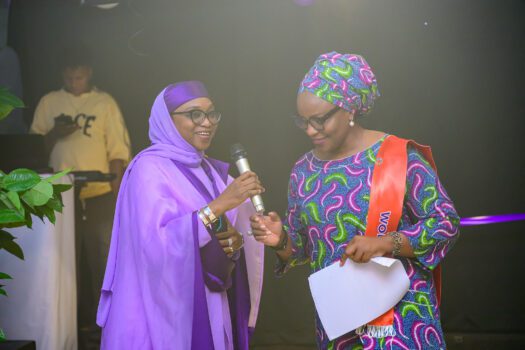
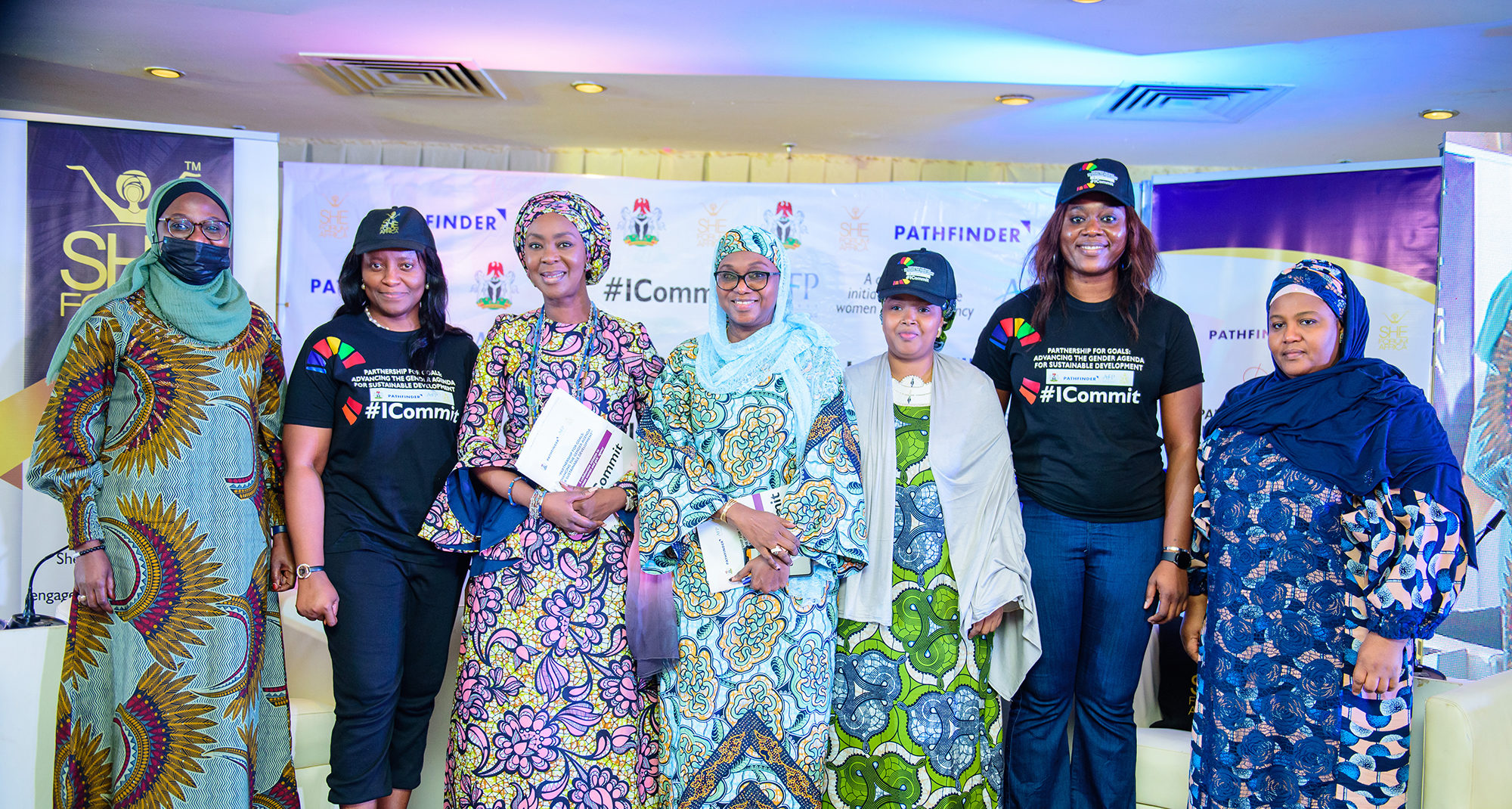
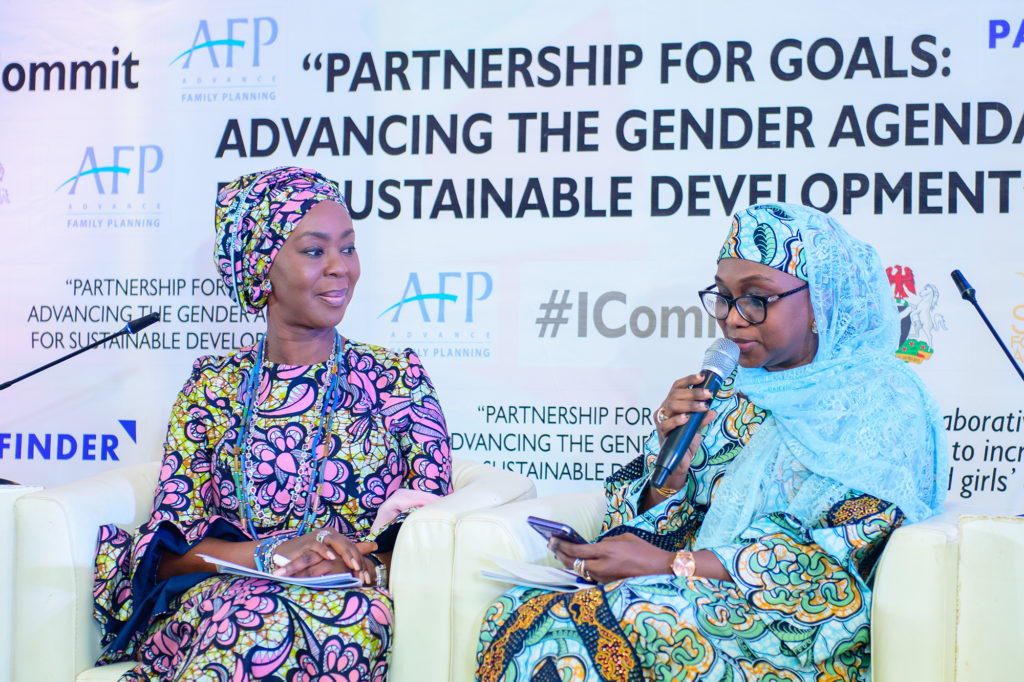
In Nigeria, Pathfinder International is currently working under the leadership of the Federal Ministry of Women’s Affairs and with state governments on the iCommit campaign. The campaign, which was launched during a High-Level Meeting on Gender Mainstreaming for Sustainable Development, provides an opportunity to assess the status of women’s and girls’ agency in Nigeria; share high-level policy advocacy messages by government and other key partners; facilitate experience sharing; and make commitments, recommitments, and pledges to further advance gender mainstreaming in Nigeria.
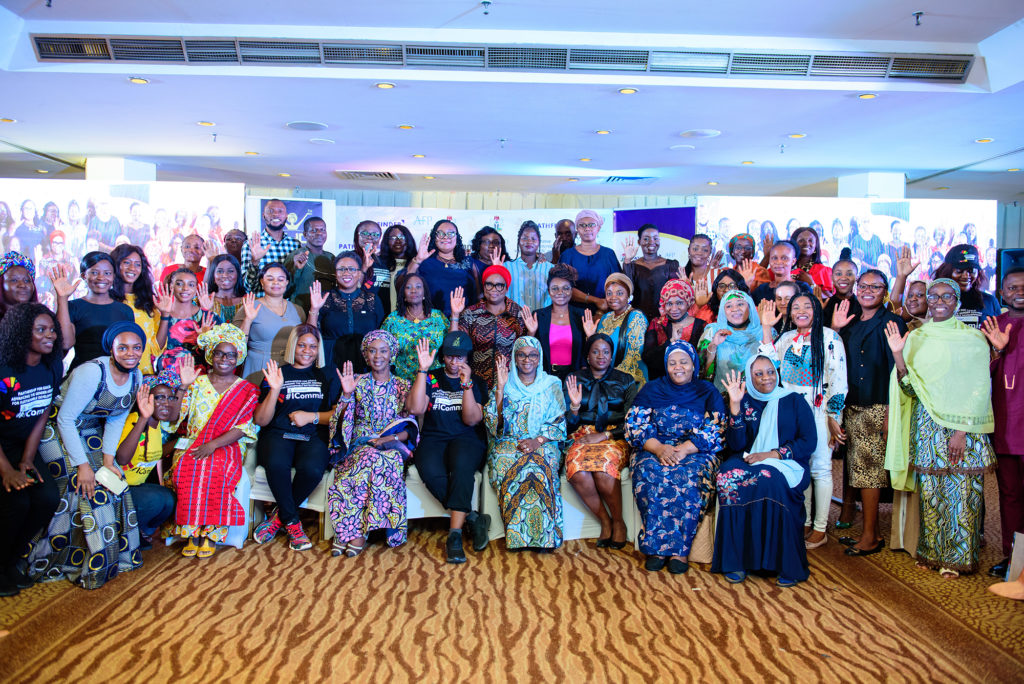
The iCommit campaign is meant to inspire public awareness, sensitization to gender-related issues, and policies supportive of gender equality. With the Federal Ministry of Women Affairs in the lead, this campaign is expected to translate directly into policy action.
Barriers to Gender Equality in Nigeria
Nigeria is ranked 118th out of the 134 countries on the Global Gender Equality Index and third from the bottom on the World Economic Forum’s Gender Gap Index among West African countries. A lack of women’s and girls’ perspectives in policymaking decisions, resource allocation, and implementation in economic and social sectors continues to challenge the advancement of gender equality.
In Nigeria, women and girls face discrimination and barriers that limit their opportunities to develop to their full potential. The Nigerian society is patriarchal, both in the socio-economic and political settings. This is a result of rigid gender stereotypes reinforced by religious and traditional practices, as well as the societal structures.
Nigeria has legal instruments that recognize and guarantee the rights of girls and women in the country, including the Nigerian constitution. The country is also a signatory to several charters, international and regional protocols, and conventions that recognize and guarantee the rights of girls and women. Despite existing laws and policies, Nigerian women, especially girls and young women, face injustices and human rights violations daily.
iCommit Policy Asks
The iCommit campaign seeks to:
- Amplify the voices of stakeholders, including ministries of women’s affairs and health, UN agencies, embassies, and legislative bodies, in a dialogue to collectively identify obstacles and create opportunities to increase agency of women and girls in decision-making related to sexual and reproductive health and rights.
- Promote the meaningful engagement of men and boys in fostering gender equality through programs that work with couples, communities, and health facilities.
- Advance gender mainstreaming.
- Encourage high-level advocacy efforts for transformation of policies that perpetuate gender inequalities and promotion of policies that support the agency and rights of women, girls, and marginalized groups.
Gender Equality and Sustainable Development
The campaign not only seeks to advance gender equality, but also sustainable development—after all, gender equality and the Sustainable Development Goals (SDGs) are mutually reinforcing. Achieving gender equality and women’s empowerment is integral to reaching each of the 17 SDGs.
Through the iCommit campaign and other partnerships, including its Advance Family Planning Project in Nigeria, Pathfinder international is working with likeminded partners to ensure an enabling society for women and girls of all ages. Strong commitment and political will at both national and international levels will make this possible. Partnerships with the Federal Ministry of Women’s Affairs, state governments, and She Forum Africa, such as the iCommit campaign, are particularly important to ensuring gender is considered in policymaking and budgeting so that progress can be sustained.