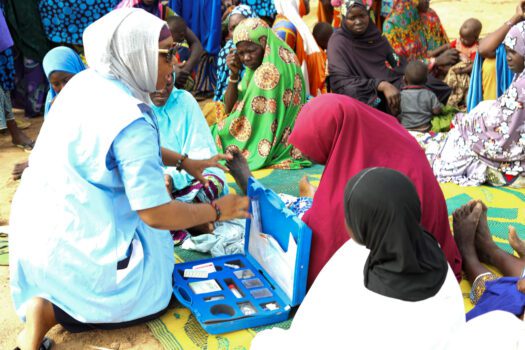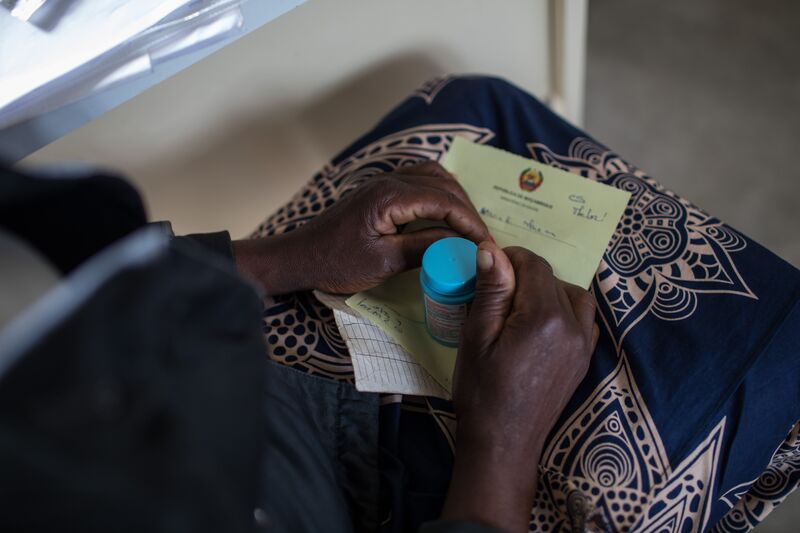

This World AIDS Day arrives with a powerful symbol of scientific progress: lenacapavir, the long-acting injectable PrEP that can prevent HIV infection with just two doses a year, is now becoming available across several countries, including Eswatini and Zambia in Africa. For the first time, millions of people, especially adolescent girls and young women at highest risk, may soon have access to a discreet, highly effective prevention option that could reshape the global HIV response.
But history has taught us a hard truth: scientific breakthroughs do not transform epidemics on their own. We have seen it with antiretroviral therapy, early PrEP, and self-testing innovations. Tools only save lives when people feel safe and supported enough to use them. If stigma and discrimination persist, even the most promising technologies will remain out of reach for the very people they are meant to protect.
As we reflect on the 2025 World AIDS Day theme: Overcoming Disruption. Transforming the AIDS Response, one disruption remains stubbornly unchanged: HIV-related stigma.
Despite decades of progress, stigma continues to undermine prevention, testing, adherence, and retention in care. Recent global surveys show that more than 37% of people living with HIV (PLHIV) experience internalized stigma, nearly one in four report discrimination when seeking non-HIV health services, and just last year, 13% of PLHIV experienced discrimination when accessing HIV services. Furthermore, discriminatory attitudes persist, with 47% of respondents across 42 countries expressing negative views toward PLHIV (UNAIDS, 2024).
The persistence of stigma
HIV stigma is driven by cultural norms, social values, and entrenched misconceptions. Misinformation and fear fuel judgment and rejection in families, communities, schools, workplaces, and healthcare facilities. For many PLHIV, stigma is not only an external threat but also an internal burden, forcing them to live with the constant expectation of rejection, further undermining their health and well-being.
Stigma often intersects with other forms of discrimination based on gender, sexuality, poverty, race, or social status, amplifying vulnerabilities for marginalized populations. For example, 49% of transgender people, 40% of people who inject drugs, 26% of sex workers, and 16% of gay men and other men who have sex with men reported recent experiences with discrimination. Structural barriers, such as inadequate access to health services, poverty, and social exclusion, make the problem even more complex, leaving PLHIV neglected and at the margins of society.
Stigma is both structural and deeply personal. It is rooted in longstanding cultural norms, gender inequalities, and misinformation. For many, the fear of being judged by a nurse, shunned by family, or ridiculed by peers is more frightening than the virus itself. When stigma intersects with other forms of discrimination, against transgender people, sex workers, people who inject drugs, and LGBTQ+ communities, the impact is magnified, pushing those most at risk further from services.
Communities at the heart of the solution
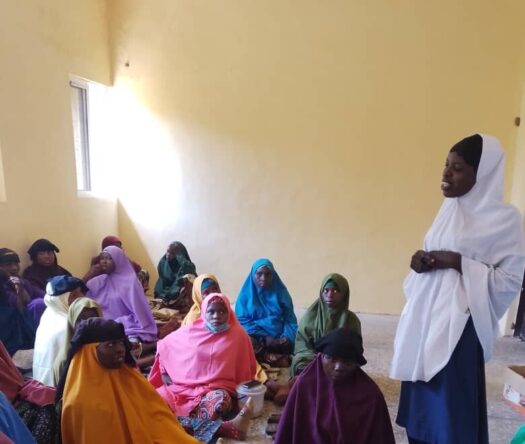
But communities are proving to be powerful agents of change. Community-driven initiatives like Operation Triple Zero (OTZ), a psychosocial support group in Kano state, Nigeria, where Pathfinder International had been working to strengthen HIV services, challenge stigma from within, shifting harmful attitudes and creating safe spaces where PLHIV can live openly and with dignity.
“Attending the OTZ meetings has boosted my morale. I’m so glad to meet other HIV-positive peers and make friends. I have learned that I can live and excel just like anyone else,” said a participant in the support groups.
Local leaders, faith-based organizations, youth networks, and peer groups all play a central role in reshaping narratives about HIV by sharing accurate information and confronting myths. Storytelling and dialogue are particularly effective tools. When PLHIV share their journeys, they put a human face to the epidemic, replacing fear with empathy and connection. Such conversations dismantle stereotypes and encourage acceptance, transforming communities into environments where people feel supported rather than shamed.
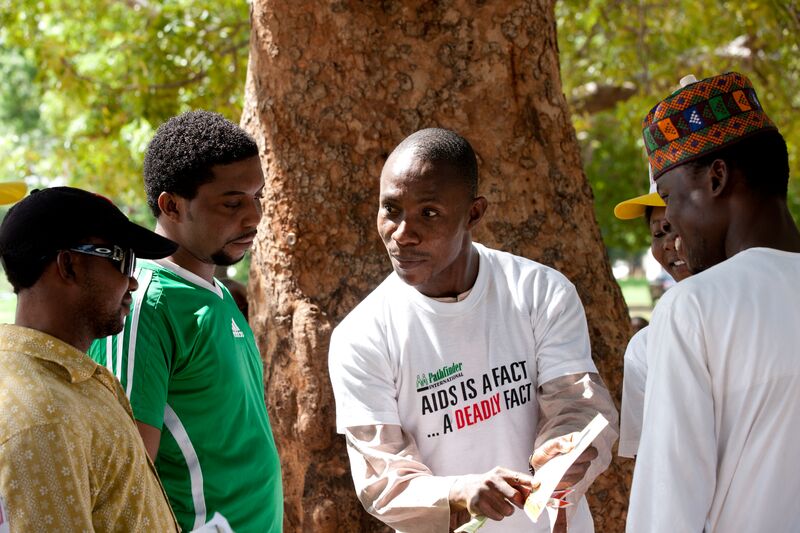
“People living with HIV have the right to live free from discrimination. Dignity is not optional – it’s essential.” UNAIDS, 2025
Advocacy and policy change
Beyond personal interactions, grassroots campaigns have challenged discriminatory laws, promoted legal protections, and influenced national policies to safeguard the rights of PLHIV. By centering the voices of those most affected, advocacy not only influences public perception but ensures that reforms reflect lived realities. Social media campaigns, mobile health applications, and online support networks now complement in-person efforts, reaching wider audiences, amplifying stories, and rallying collective action against stigma and discrimination.
Building inclusive futures
Ultimately, addressing HIV-related stigma and discrimination is not simply about correcting misinformation, it is about transforming social norms and building inclusive societies. Community health workers and peer educators remain vital in this process, bridging the gap between health systems and households while normalizing HIV testing and treatment. Rights-based initiatives, such as support groups and anti-stigma campaigns, also help reduce prejudice in schools, workplaces, and healthcare settings.
When communities take ownership of the fight against stigma, they create environments where PLHIV can thrive without fear, helping move the world closer to the goal of ending HIV as a public health threat.
As lenacapavir and other innovations reach Africa, investing in communities is not optional—it is essential. Community health workers, case managers, and peer mentors bridge the gap between households and healthcare systems. Support groups and rights-based programming ensure that new technologies translate into real uptake, real adherence, and real impact.
Ending AIDS as a public health threat requires more than scientific innovation. It requires communities empowered to transform social norms, dismantle discrimination, and create the conditions where people can safely seek services, whether that is a twice-yearly injection, a viral load test, or lifelong treatment.
This World AIDS Day, let us celebrate the promise of lenacapavir and other emerging innovations, but let us also remember that science will not end AIDS. People will. Communities will.