Skip to content

Publications & Resources

Does a school-based intervention increase girls’ sexual and reproductive health attitudes and intentions? Results from a mixed-methods cluster-randomized trial in Burkina Faso

Burkina Faso

Download

English:

Download
Abstract

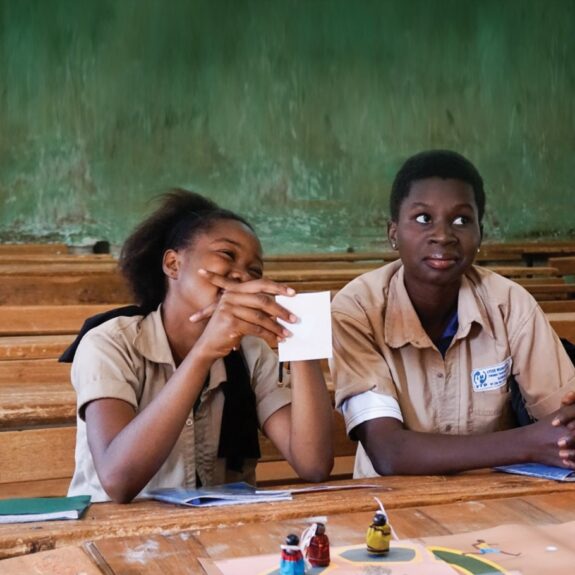
Adolescent girls in Burkina Faso face unintended pregnancy risk due to a lack of contraceptive use. The (re)solve project was designed to address contraceptive misperceptions and increase girls’ perceptions of their pregnancy risk, primarily through a participatory game and a health passport aimed at easing health facility access. The intervention components were implemented for girls in private and public school in grades 4ème and 3ème (grades 9 and 10) in Ouagadougou and Bobo Dioulasso, Burkina Faso. We conducted an impact evaluation using a mixed-methods cluster randomized control trial design to evaluate (re)solve’s impact on girls’ intentions to use contraception, among other outcomes. Thirty-two schools were randomly allocated intervention or control. The evaluation included quantitative longitudinal surveys at baseline (N = 2,372) and endline (N = 2,072), qualitative in-depth interviews with girls in the intervention group at baseline (N = 41) and endline (N = 48) and with implementation staff (N = 35) and experts (N = 14) at endline. We used generalized estimating equations (GEE) analysis for the main analysis. Girls receiving the intervention had more positive attitudes related to contraception at endline compared to girls at control schools. (re)solve had a positive effect on girls’ intention to use contraception (aOR = 1.59, 95% CI 0.97–2.61), though this did not reach statistical significance. The impact was particularly large among girls who had never had sex, girls who attended public schools, and girls in 3ème. Qualitative findings suggest the intervention was well received and positively shifted attitudes and facility-seeking behaviors for many girls, but that myths and misconceptions related to contraceptive use persist in this mostly young, sexually naïve population. That the (re)solve intervention appears to have shifted adolescent girls’ attitudes toward using contraception, coupled with positive trends in intention to use contraception, indicates that interventions like (re)solve may ‘prime the pump’ for behavior change and increasing girls’ use of contraception.

This journal was originally published on PLOS Global Public Health.
Focus Areas
  • Adolescents & Youth
  • Contraception & Family Planning
Featured Stories & Perspectives

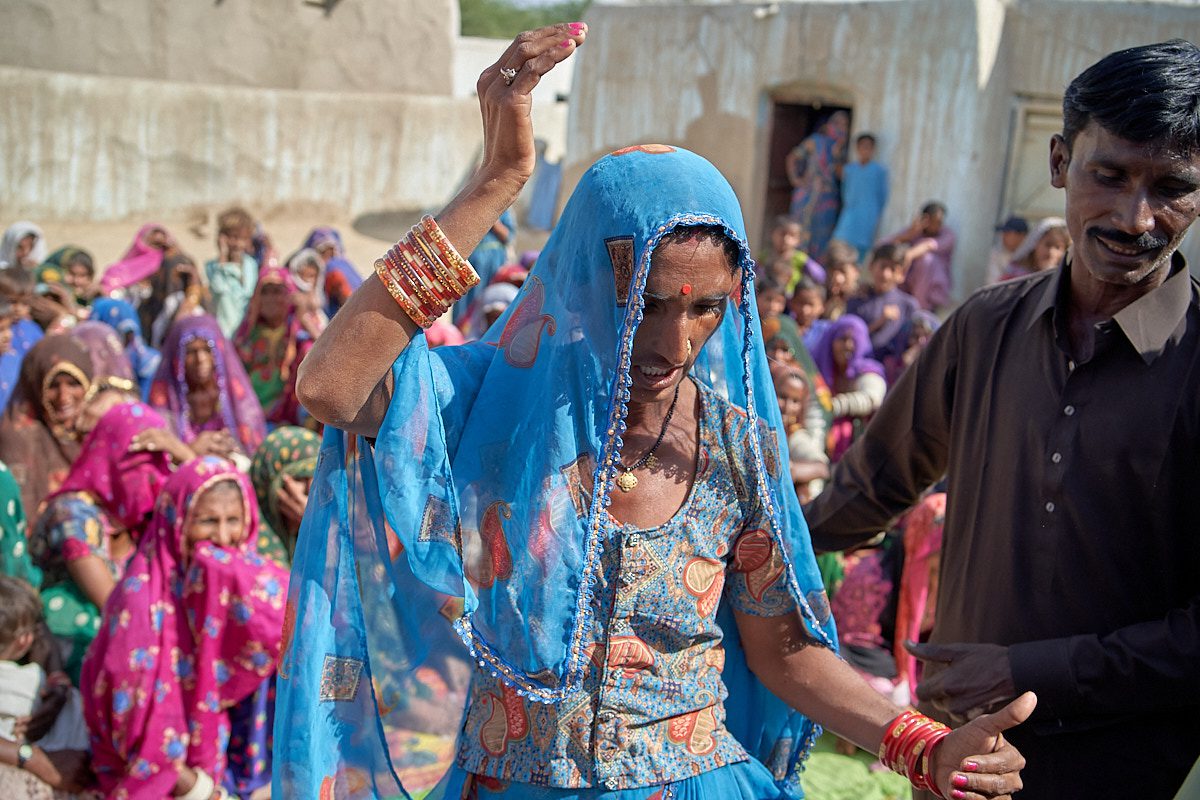
#16Days: A Climate-Resilient World is a Safer World

#16Days of Activism Against Gender-Based Violence Violence against women and girls is one of the most pervasive—and preventable—human rights violations…

Read The Story
Climate Champion Chandi - #16Days Feature
Featured Stories & Perspectives

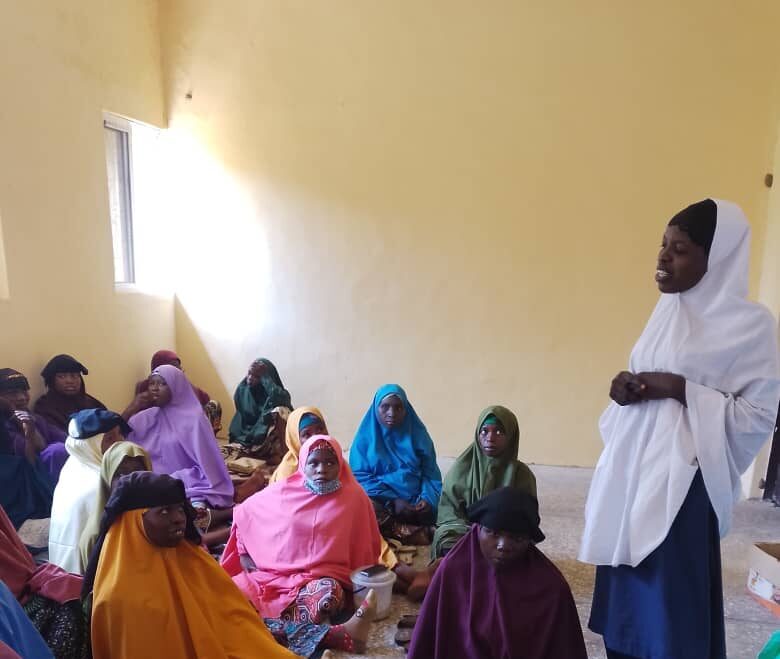
From Training to Transformation: How Kano’s Health Workforce Mentorship Program is Saving Lives 

Health workforce shortages plague Kano state’s health system in Nigeria, where for every 10,000 people, there are only 3 health workers available to provide care. This critical workforce…

Read The Story
Featured Stories & Perspectives

Overcoming Disruption, Transforming the HIV and AIDS Response: Why Community Leadership Still Matters

This World AIDS Day arrives with a powerful symbol of scientific progress: lenacapavir, the long-acting injectable PrEP that can prevent…

Read The Story
Featured Stories & Perspectives

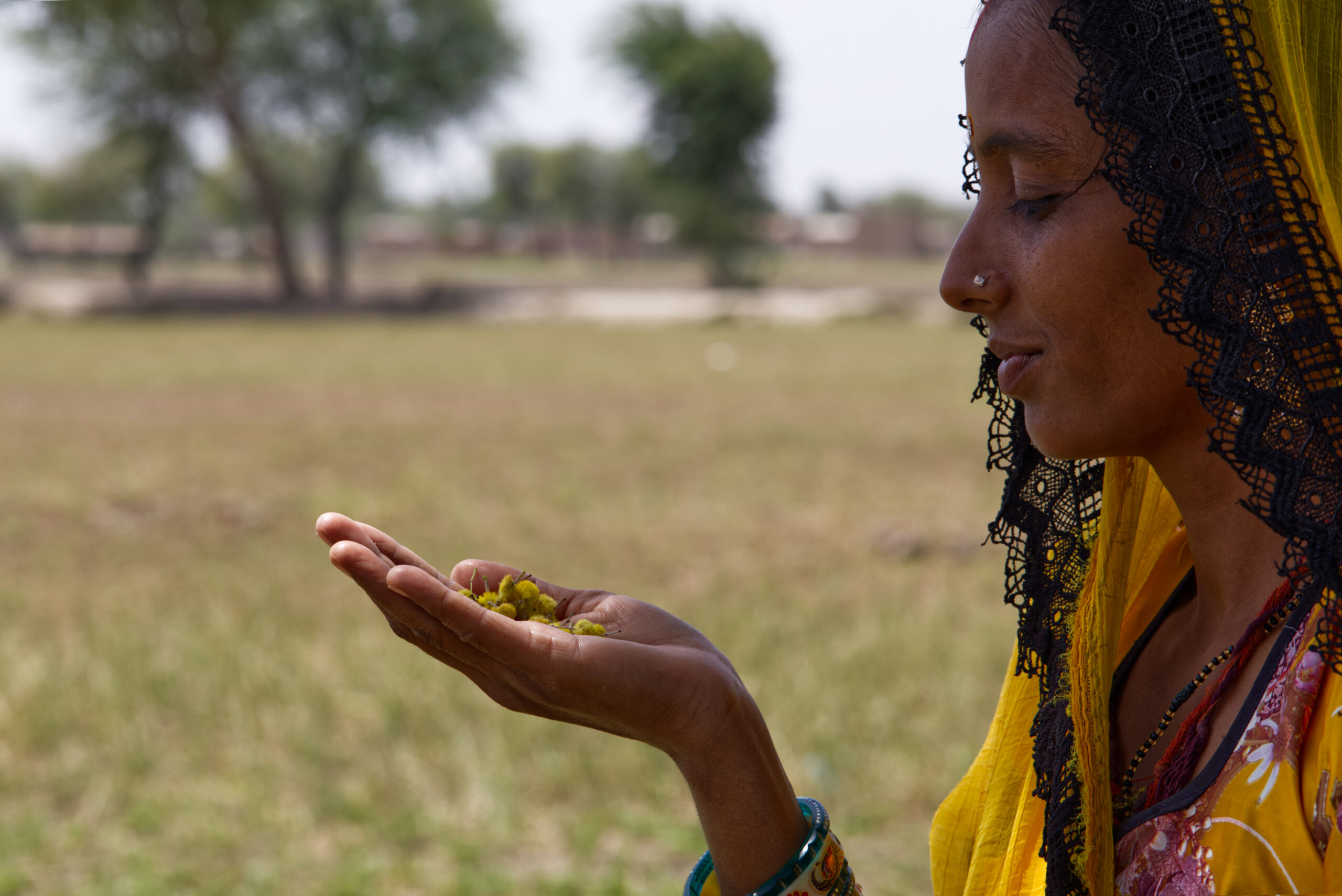
Climate Champions: How Women in Pakistan and Bangladesh are Leading the Fight for Resilience

Climate change is ravaging communities across Pakistan and Bangladesh. From devastating floods and violent cyclones to prolonged droughts and lethal…

Read The Story
Woman holding seeds
Featured Stories & Perspectives

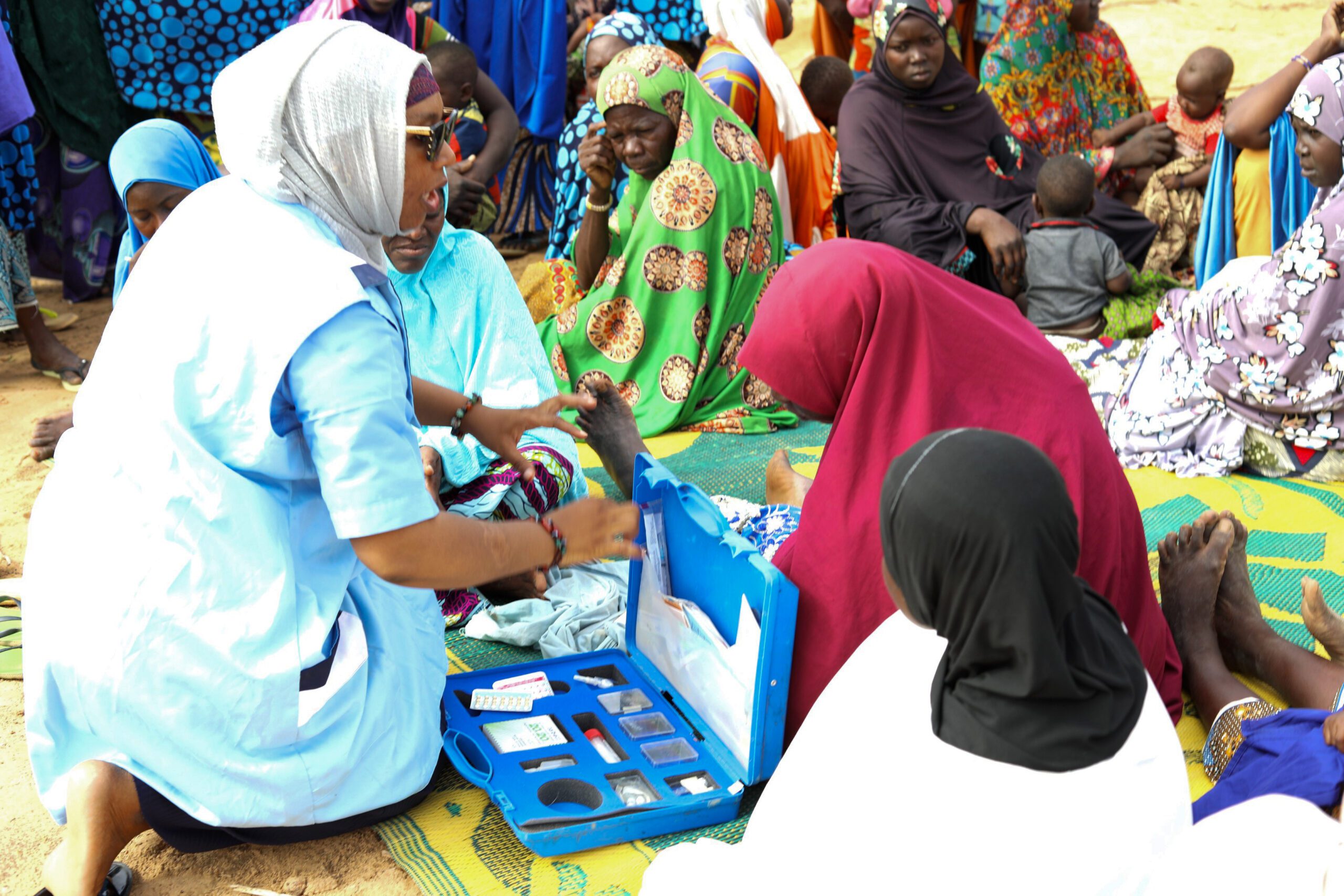
Mobile Health Teams Ease Suffering for Women in Rural Niger

Safia, in her late thirties, has had eight pregnancies. Four of her children made it to their first birthdays, while…

Read The Story
Featured Stories & Perspectives

Contraception is…Equity, Dignity, Justice for Women

At Pathfinder, we stand with government and partners in advancing access to voluntary contraception, working together to build healthier families,…

Read The Story
Featured Stories & Perspectives

Investing in Women: Côte d’Ivoire’s Commitment to Free Family Planning

Alongside making contraceptive services accessible to women at health clinics, Pathfinder supports efforts across communities in Côte d’Ivoire to increase…

Read The Story
Featured Stories & Perspectives

DSSR Ado-Jeunes: 10 Years of Youth-Centered, Inclusive SRHR Programming in DRC

Jump to English translation. On est équipés pour relever le défi : Ce que nous ont appris dans les dix…

Read The Story
DSSR Ado-Jeunes
Featured Stories & Perspectives

Our Work Continues: The Global Impact of USAID Funding Cuts

PROSANI: Innovation and Impact in the Democratic Republic of the Congo | PROSANI’s Impact | Breaking Barriers to Gender Equality…

Read The Story
Featured Stories & Perspectives

5 Communities in Bangladesh Mobilize to Beat Plastic Pollution

Last month, in celebration of World Environment Day, the Advancing the Leadership of Women and Girls Towards Better Health and…

Read The Story
Volunteers clean plastic pollution for World Environment Day
Featured Stories & Perspectives

Investing in Resilience: Strengthening Health Systems Against Climate Emergencies

Climate Champions in Pakistan’s Sindh province provide a vital link between communities and essential health care. Imagine a doctor performing…

Read The Story
Climate champions in Pakistan
Featured Stories & Perspectives

Inside Kano State’s Bold Effort to Prevent Cervical Cancer

“This topic touches me deeply, as I lost my wife to cervical cancer. That painful experience has shown me how…

Read The Story
Workshop on preventing cervical cancer in Kano State, Nigeria.