By: Madiha Latif
Reflecting on COP29, let’s listen to the most climate-vulnerable among us
My participation in COP29 this year was colored by the devastating toll of recent climate emergencies in Pakistan, where I serve as Pathfinder’s Country Director. The 2022 floods submerged one-third of the country, displacing nearly 8 million people and causing more than $15 billion in damage. In June of this year, temperatures reached 40 degrees Celsius in Karachi for days on end, with hundreds dying—mainly day laborers, homeless people, and migrants working outside.
The toll of these disasters has not been felt equally.
Climate emergencies have a disproportionate impact on women and other marginalized communities—exacerbating social and economic disparities.
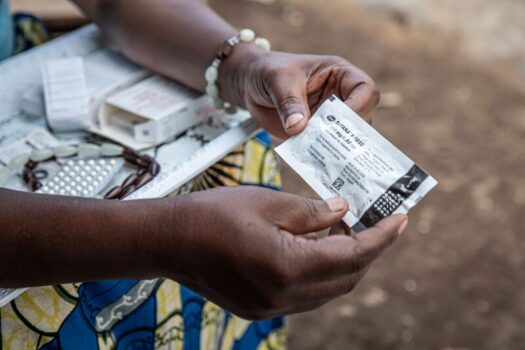
Both floods and heat waves are a huge risk for pregnant women and children. The 2022 floods led to a four-fold increase in malaria, which is heavily linked to birth complications and a major killer of young children worldwide. Heat waves contribute to pre-term births and obstetric complications. When health infrastructure is damaged during crises, women cannot get the services they need like safe delivery care, contraception, and menstrual hygiene supplies.
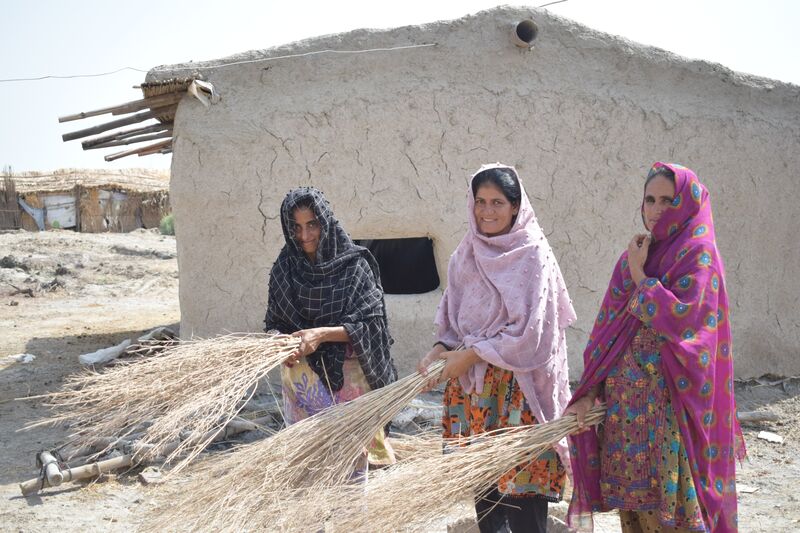
It’s not just health, it’s livelihood too. Women make up 68% of the agricultural workforce in Pakistan. Climate emergencies strip women of their agricultural livelihoods—ruining crops, destroying arable land, and leaving women and their families in rural and low-resource communities without money or food.
At the same time, stress on households leads to gender-based violence and child marriages, as families feel pressure to obtain dowries when they have trouble earning an income. Women—80% of those displaced during crises—are vulnerable to sexual violence and trafficking in transitory housing, like shelters and tent camps. Girls are the first to miss school when families need help rebuilding. These situations are most common among those living in poverty.
The Islamabad Declaration—climate adaptation for women and the most marginalized
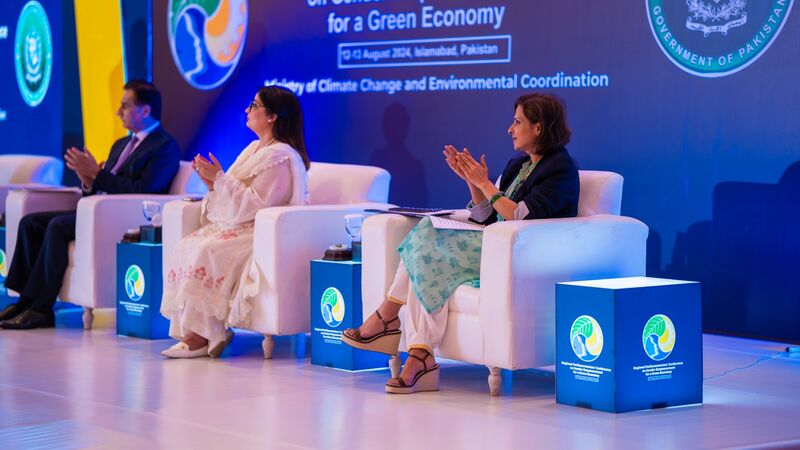
To address these alarming trends, Pathfinder International along with Pakistan’s Ministry of Climate Change and Environmental Coordination and regional partners convened parliamentarians from 11 countries to formulate the Islamabad Declaration. The declaration is a unified commitment by the governments of Cambodia, Egypt, Indonesia, Japan, Lao PDR, Maldives, Pakistan, Thailand, Vietnam, Mongolia, and Turkmenistan to advance gender equality and climate action through critical policies, systems, and services.
This declaration served as a blueprint at COP29 for prioritizing the needs of women and other marginalized groups in national climate adaptation plans—ensuring their voices are heard. In Pakistan, the declaration has solidified the support of Pakistan’s Ministry of Climate Change in recognizing the importance of involving women and girls in national climate adaptation plans.
Some of the most significant commitments made through the Islamabad Declaration for community- and women-led climate adaptation strategies include:
Community-led emergency preparedness and targeted disaster risk reduction plans
Networks of women, their communities, and community-based organizations are best situated to develop early climate emergency warning systems. These networks not only help to make sure local communities know when a climate emergency is about to hit, they can help with preparations well ahead of time—connecting pregnant women with health care, preparing gender-inclusive shelters set up to house women and girls safely, offering families social safety nets that provide food and other essential supplies, and securing bridges and other essential infrastructure well ahead of time. These community-based networks must be combined with data-driven insights that analyze climate patterns to strengthen resilience during extreme weather events.
Evidence generation related to the protection of marginalized groups in the wake of climate emergencies
We cannot effectively advocate for significant investments in protecting marginalized communities without ample evidence. For example, we must undertake health system assessments that determine how service delivery and supply chains can be strengthened to ensure sustained sexual and reproductive healthcare for women and girls. While there is quite a bit of anecdotal evidence on the effect of climate change on women, girls, and marginalized groups, investments need to fund further research, building a robust evidence base for increased investments.
Engagement of women and young people in advocacy and policy decisions related to climate and disaster recovery strategies
We must actively shift power toward women and young people, enhancing their participation, voice, and agency in climate actions and decision-making. Across communities on the frontlines of climate change, women and young people can serve as climate champions, advocating for policies that will improve their own lives.
Bringing women into climate discussion at COP29
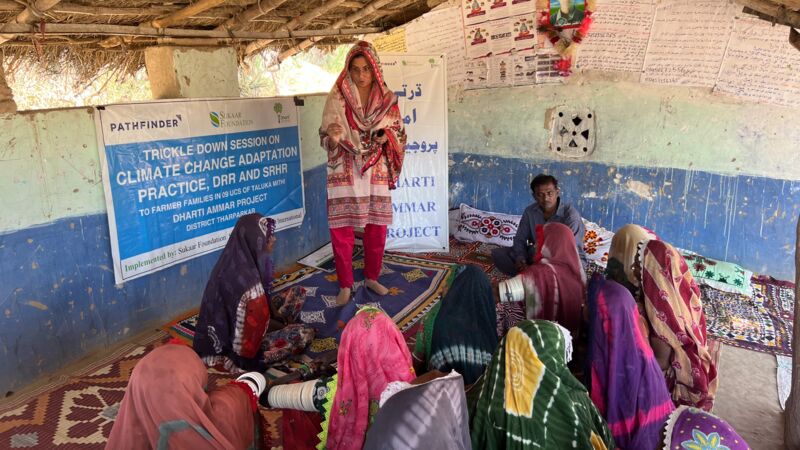
Pathfinder, working with the Pakistan government and other partners, is already making progress on some of the commitments posed in the Islamabad Declaration by harnessing and developing the leadership skills of women and girls in Sindh and Khyber Pakhtunkhwa provinces toward climate adaptation. We must scale up these types of solutions nationally—and regionally—to save lives and encourage economic and social development through climate adaptation.
At COP29, Pakistan’s Ministry of Climate Change continued to bring energy to developing climate adaptation plans that take the needs of women and girls into account. An event co-hosted by Pathfinder and the Ministry, for example, introduced a gender and climate seal to promote gender equality and climate resilience in global value chains. During another event led by the Ministry, women took center stage as distinguished panelists discussed funding at the intersection of climate and health.
To achieve anything monumental, we need comprehensive coordination among civil society, development partners, governments, academia, and the private sector. And we need much more climate financing. While we continue to explore innovative domestic financing mechanisms like debt for climate swaps, equity financing, and results-based climate finance, we must simplify and centralize multilateral climate funds that transfer significant resources from high-emitting countries to low-emitting countries like Pakistan facing the gravest climate threats.