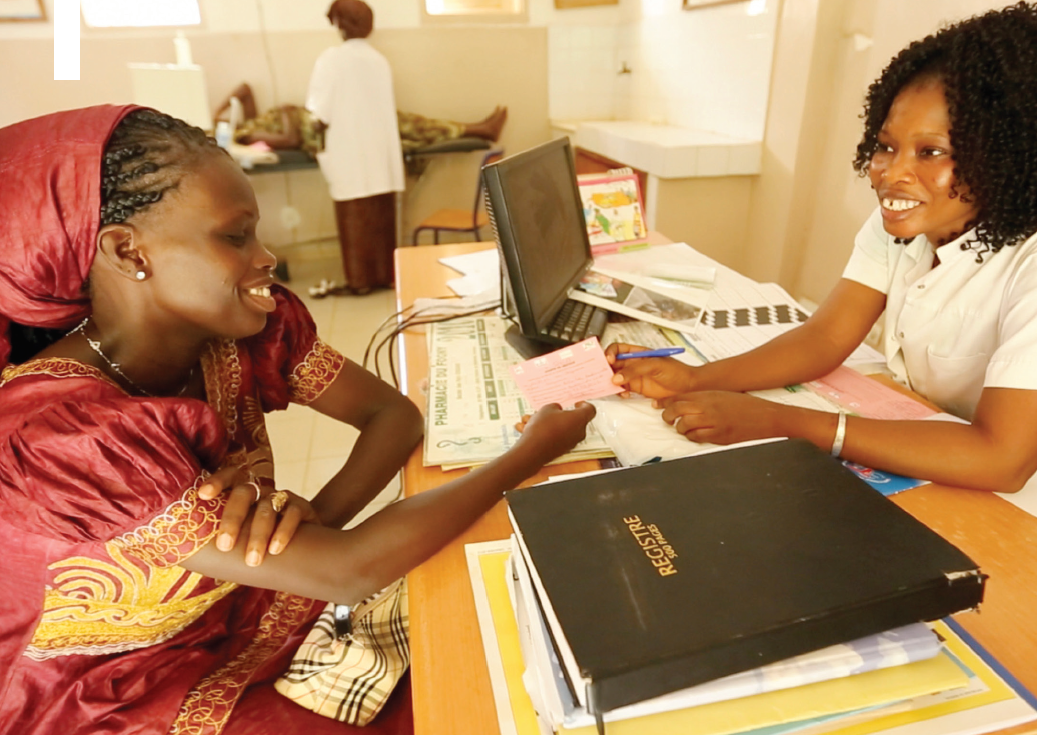
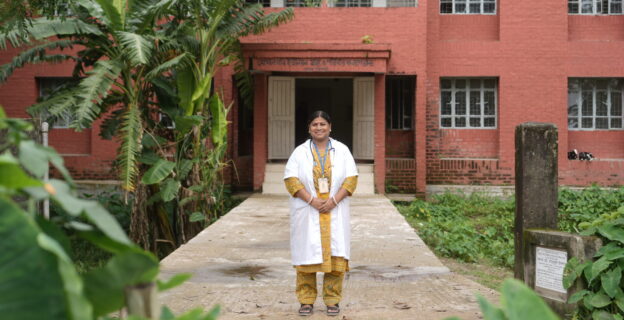
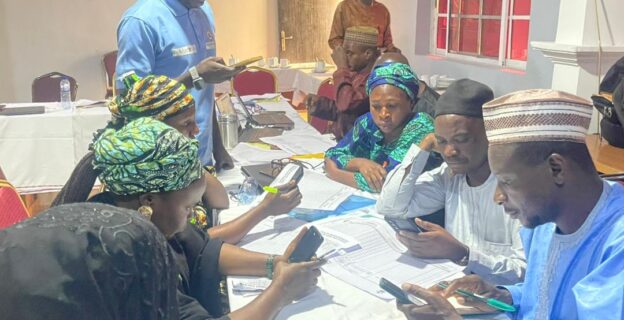
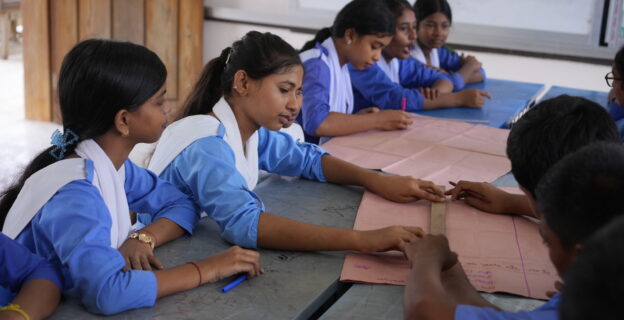
In Senegal, where nearly two-thirds (63%) of the population is below the age of 25 years, the government and civil society have implemented a variety of adolescent and youth reproductive health (AYRH) projects and programs for youth aged 10–24 years.
Since the 1990s, AYRH has been increasingly recognized as a priority by the Senegalese government and civil society. Political commitment to AYRH is evidenced by Senegal’s 2005 Reproductive Health law, the current National Health and Development Plan (2009–2018), the National Policies, Norms and Protocols for Reproductive Health, the National Strategic Plan for Reproductive Health (2011–2015), the National Action Plan for Family Planning (2012–2015), and the National Strategic Plan for AYSRH (2014–2018).
This assessment highlights strengths and weaknesses in currently-offered AYRH services, gauging the degree to which the five quality standards for youth-friendly RH services are being realized from a variety of perspectives (service providers, peer educators, parents, youth who use contraception, etc.). E2A conducted this study in six regions with the poorest AYRH indicators in Senegal where youth-friendly services are being—or have been—implemented.
The specific objectives of the evaluation, conducted by Senegal’s MOH with the USAID-funded Evidence to Action for Strengthened Family Planning and Reproductive Health Services for Women and Girls Project (E2A), the Dakar-based Global Research Action Group (GRAG), and USAID/Senegal, were to:
- Identify the factors that facilitate or hinder the quality of youth-friendly health services in select sites across Senegal, including the extent to which the National Standards for YFHS are applied;
- Assess the factors that influence the uptake and utilization of YFHS by adolescents and young
people, including accessibility, acceptability, and equitability of services; - Examine characteristics of existing YFHS models that have an influence on potential scale-up; and
- Generate recommendations and practical guidance for the operationalization of the service.
Sénégal : Évaluation des services de santé reproductive adaptés aux adolescent(e)s/jeunes dans six régions
Au Sénégal, où plus de 60 % de la population a moins de 25 ans17, le gouvernement et la société civile ont mis en œuvre depuis le milieu des années 90 divers projets et programmes liés à la Santé Reproductive des Adolescent(e)/s et des jeunes (SRAJ) de 10-24 ans.
Depuis les années 1990, la SRAJ est de plus en plus reconnue comme une priorité par le gouvernement sénégalais et la société civile. L’engagement politique en faveur de la SRAJ est attesté par la loi sénégalaise de 2005 sur la santé de la reproductive, l’actuel Plan National de Développement Sanitaire-PNDS (2009-2018), les Politiques, Normes et Protocoles (PNP) nationaux en matière de santé reproductive, le Plan stratégique national pour la santé reproductive (2011-2015), le Plan d’action national pour la planification familiale (2012-2015) et le Plan stratégique national pour la SSRAJ (2014-2018). Ces documents de politique mettent en exergue l’importance d’assurer l’accès à l’information et aux services de santé reproductive (SR) pour les adolescent(e)/s et les jeunes à travers une approche multisectorielle.
Si l’engagement politique a contribué à réaliser certains progrès, les adolescent(e)s/jeunes sénégalais rencontrent encore de nombreux problèmes liés à la SR. Par exemple :
- Au Sénégal, un tiers (33%) des femmes âgées de 20 à 24 ans étaient mariées avant l’âge de 18 ans, et plus d’une sur dix (12%) l’étaient avant l’âge de 15 ans.
- Le taux de grossesse chez les adolescentes (15-19 ans) est de 78 pour 1000, avec un nombre particulièrement élevé de naissances chez les adolescentes des zones rurales.
- Seulement 3% des adolescentes mariées (15-19 ans) et 12% des jeunes femmes mariées (20-24 ans) utilisent une méthode de contraception moderne.
- Les besoin non satisfaits de contraception chez les jeunes femmes célibataires est de 70% et de 31% chez les jeunes femmes mariées.