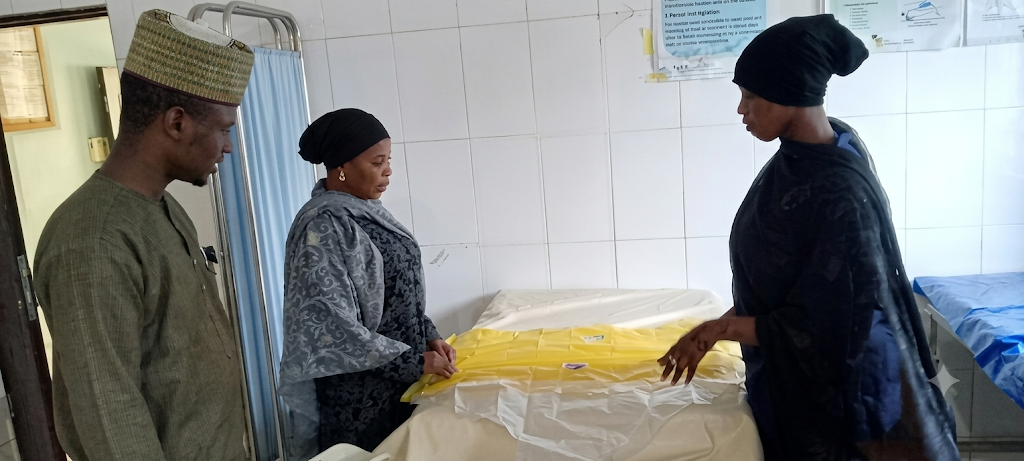
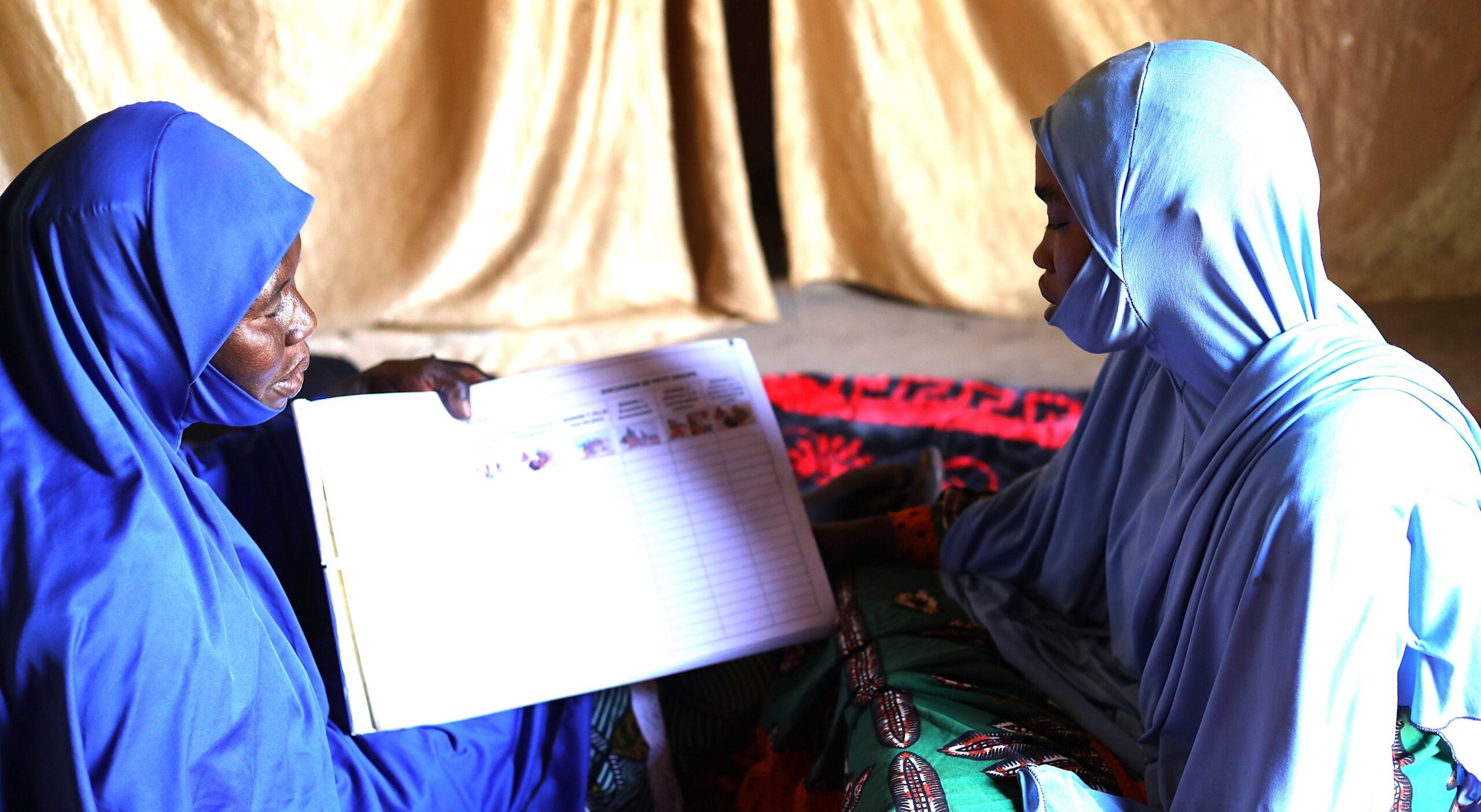
In the first Task Shifting and Task Sharing (TSTS) Progress Brief, Strengthening the Foundation for TSTS: A Snapshot of Progress in Kaduna and Kano, we documented the groundwork for operationalizing Nigeria’s TSTS policy in Kaduna and Kano States. With that foundation in place, the project has transitioned from policy and planning to frontline service delivery.
This brief focuses on the implementation phase, during which the project equipped clinical providers and Monitoring and Evaluation (M&E) officers with the clinical, supervisory, and data-use skills required to implement the TSTS framework safely and effectively. These efforts strengthen provider performance and service quality while establishing the systems needed for sustained clinical mentorship and routine monitoring of results. This phase is critical because provider training and capacity strengthening translate policy intent into safe, high-quality service delivery for mothers, newborns, and communities.
What We’re Reading (and Listening to): Country-Led Action in Practice
We’re taking a break from our typical newsletter articles to bring you a curated roundup of recent reads, podcast episodes, and insights about our favorite topic—country-led action and how international aid can…
Yuvakaars: Pathfinder India’s Scalable Social Entrepreneurship Model for Rural Health Care
Through Pathfinder India’s innovative social entrepreneurship model in rural India, young couples delivered quality health products and services to underserved and…
Delivering Context-Specific Maternal Health Solutions in Fragile and Insecure Settings
When a woman dies from preventable complications during childbirth, it signals a systemic failure. In fragile and conflict-affected settings, these vulnerabilities…