When a woman dies from preventable complications during childbirth, it signals a systemic failure. In fragile and conflict-affected settings, these vulnerabilities are magnified. However, protracted insecurity should not dictate maternal outcomes. With adaptive, system-wide interventions, it is entirely possible to deliver quality, life-saving obstetric care.
In Borno state, Nigeria a region that has endured an active insurgency since 2009 and 2 million people remain displaced TAConnect and Pathfinder are operationalizing localized solutions to mitigate these barriers. By embedding interventions within state frameworks and deploying evidence-based innovations, this partnership demonstrates how maternal health services can persist amid instability.
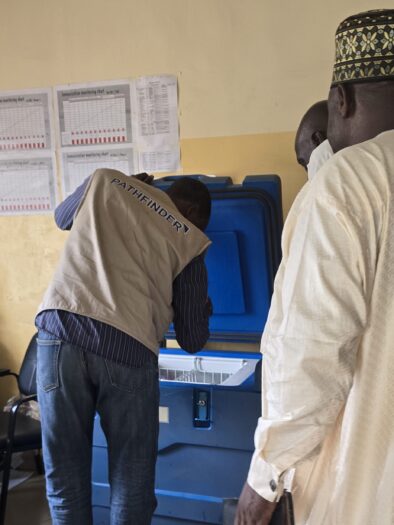
commodity status.
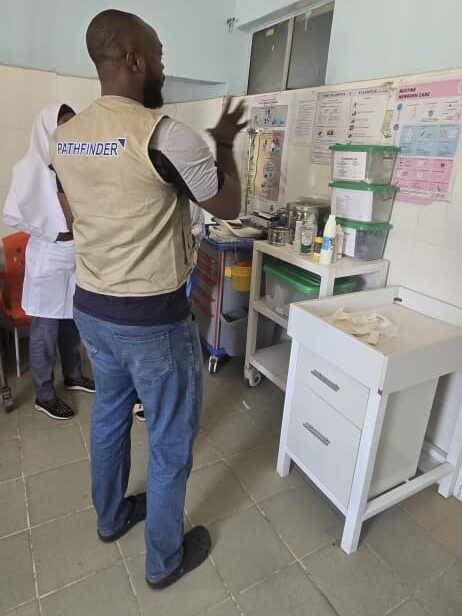
Strategic localized integration: Working with the state
Sustainability requires shifting away from parallel humanitarian structures toward embedded, state-led systems. Our interventions are directly integrated into Borno State’s strategic health plans, supporting the government’s transition from crisis response to health system reconstruction.
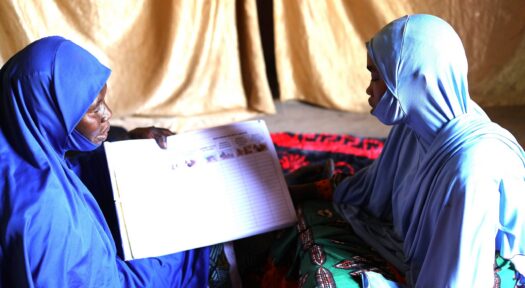
We currently support 100 primary health facilities and 15 secondary health facilities in Borno state by working closely with the state Ministry of Health, Drugs and Medical Consumables Agency, and State Primary Healthcare Development Board. These institutional ties were forged during a prior Pathfinder initiative that engaged over 20,000 women in group antenatal care. This foundational trust built community solidarity and created a reliable entry point for the current health system strengthening efforts.
Evidence-based innovations for a fragile context
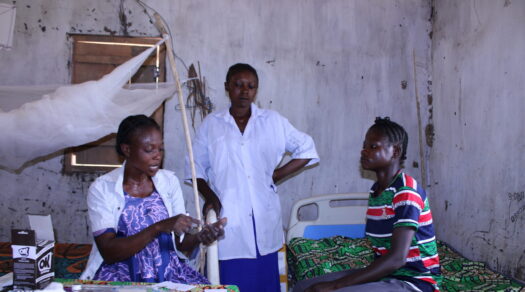
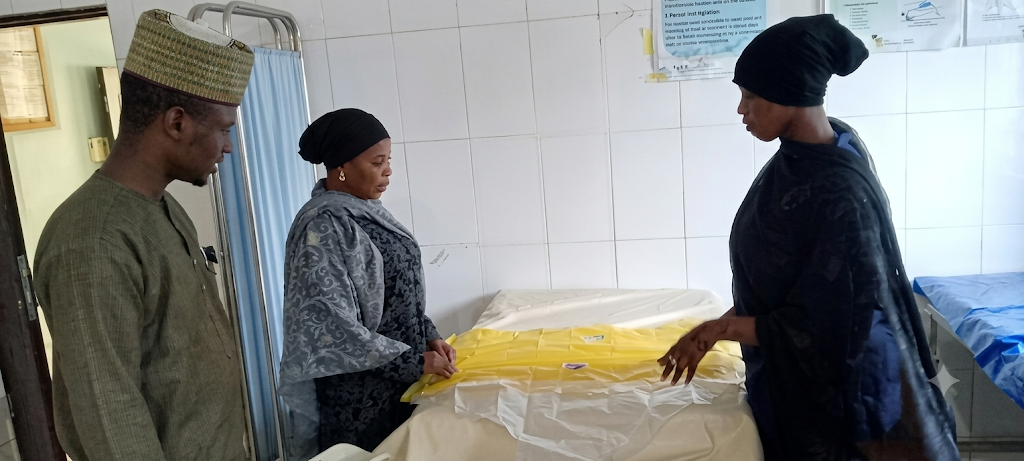
Postpartum hemorrhage remains the leading cause of maternal mortality globally, and its impact is exacerbated in fragile contexts where blood banks and surgical care are scarce. We deployed the World Health Organization-recommended E-MOTIVE bundle of care for postpartum hemorrhage management, utilizing a suite of context-appropriate clinical tools, including:
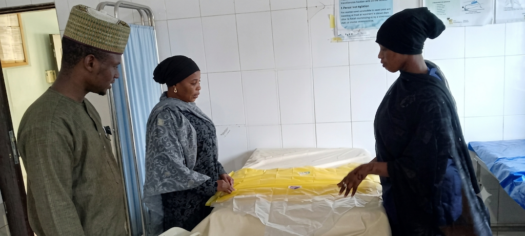
- A calibrated blood drape that eliminates the need for doctors to subjectively determine how much blood a woman is losing during labor.
- Heat-stable Carbetocin, a drug that can be used to prevent hemorrhage without needing to be refrigerated for settings with cold-chain limitations and frequent power outages such as Borno.
- Availability and use of Oxytocin, Tranexamic Acid, and Misoprostol for comprehensive postpartum hemorrhage management.
- The Non-Pneumatic Anti-Shock Garment, which stabilizes a woman who is bleeding.
Hub-and-spoke referral network
The project uses a hub-and-spoke model whereby each frontline health facility is connected to a referral facility capable of handling obstetric emergencies, addressing one of the major factors contributing to maternal mortality—the delay in receiving timely care. The hub-and-spoke model builds more robust supply chains where hub facilities can assist spoke facilities with ensuring they have basic supplies for safe deliveries and maternal care.
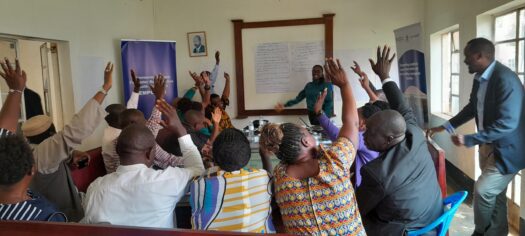
Through a Training-of-Trainers model, we localized clinical expertise by establishing a cadre of master trainers. This decentralized approach bypassed security-related travel restrictions, enabling the cascade of best practices directly to the frontline. To date, 150 frontline healthcare workers have been trained in the E-MOTIVE methodology.
At the same time, we’ve invested significantly in strengthening data systems, enhancing visibility of maternal health indicators and accountability.
In the first nine months of the program, skilled birth attendants managed 25,000 safe deliveries despite continued humanitarian disruptions.
Adaptive implementation: lessons for fragile settings
Operating in high-risk environments demands operational agility. Rather than treating security challenges as barriers to implementation, we have built real-time adaptation mechanisms into our core strategy:
Logistics and Commodity Security
- The Challenge: Insurgency-related road hazards disrupt supply chains and supervisory visits.
- The Adaptation: We instituted rigorous pre-movement planning tied to validated security windows, alongside proactive last-mile distribution tracking and facility-to-facility commodity redistribution.
Decentralized Quality Assurance
- The Challenge: External clinical supervisors face severe travel restrictions to remote Local Government Areas (LGAs).
- The Adaptation: Supervision was localized through facility-based champions, data optimizers, and peer-to-peer mentors who maintain clinical standards on-site.
Rapid Crisis Communication
- The Challenge: Traditional bureaucratic channels are too slow for emergency obstetric referrals or sudden commodity stock-outs in insecure zones.
- The Adaptation: We deployed secure, localized mobile communication platforms (e.g., WhatsApp groups) for real-time clinical mentoring, rapid emergency escalations, and immediate stock-gap reporting across LGA and state levels.
The experience from Borno State has shown us that reducing maternal mortality in humanitarian and fragile settings requires more than isolated clinical interventions. It requires resilient systems, empowered healthcare workers, functional referral networks, reliable commodities, strong government leadership, and sustained partnerships.
We are grateful to The Gates Foundation for supporting this life-saving work.