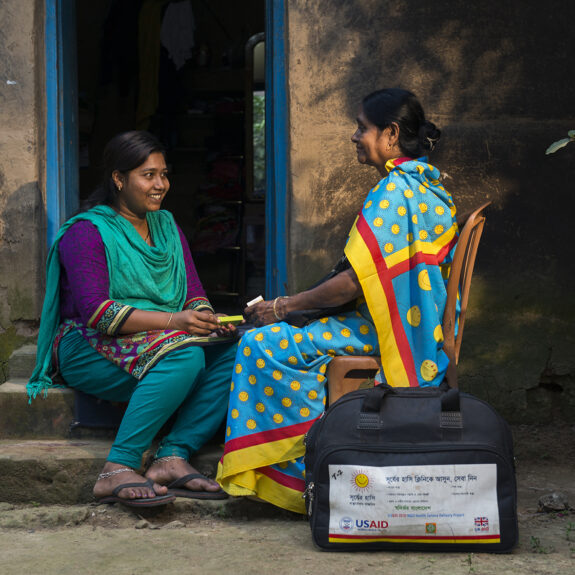
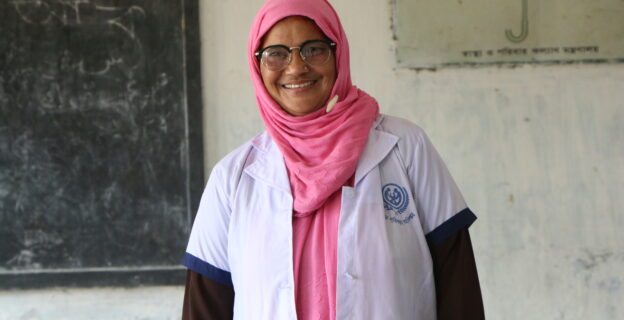
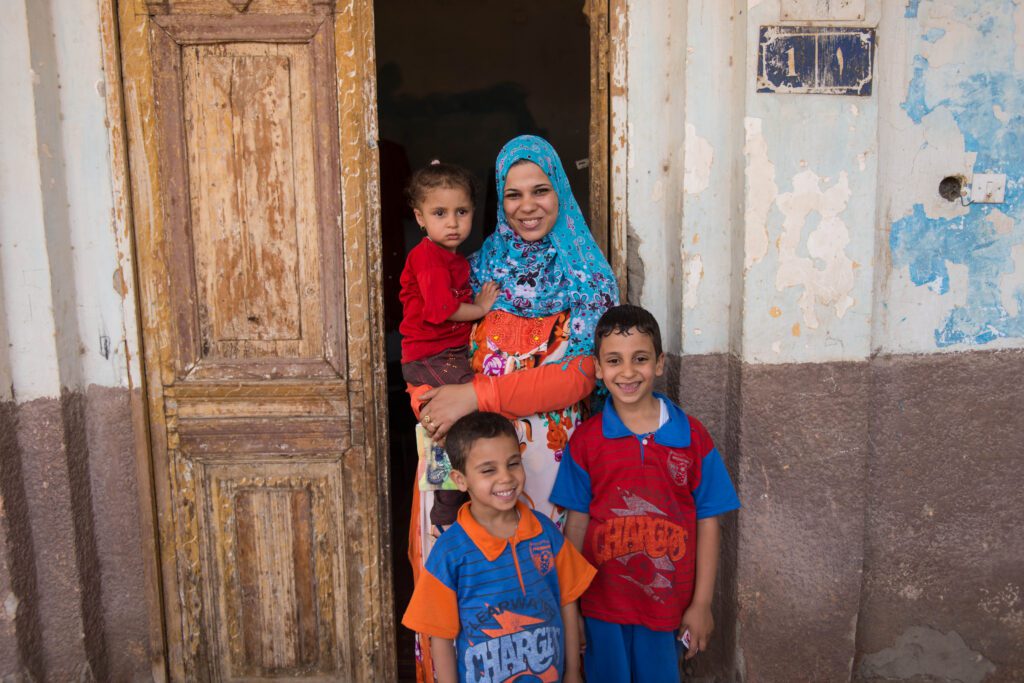
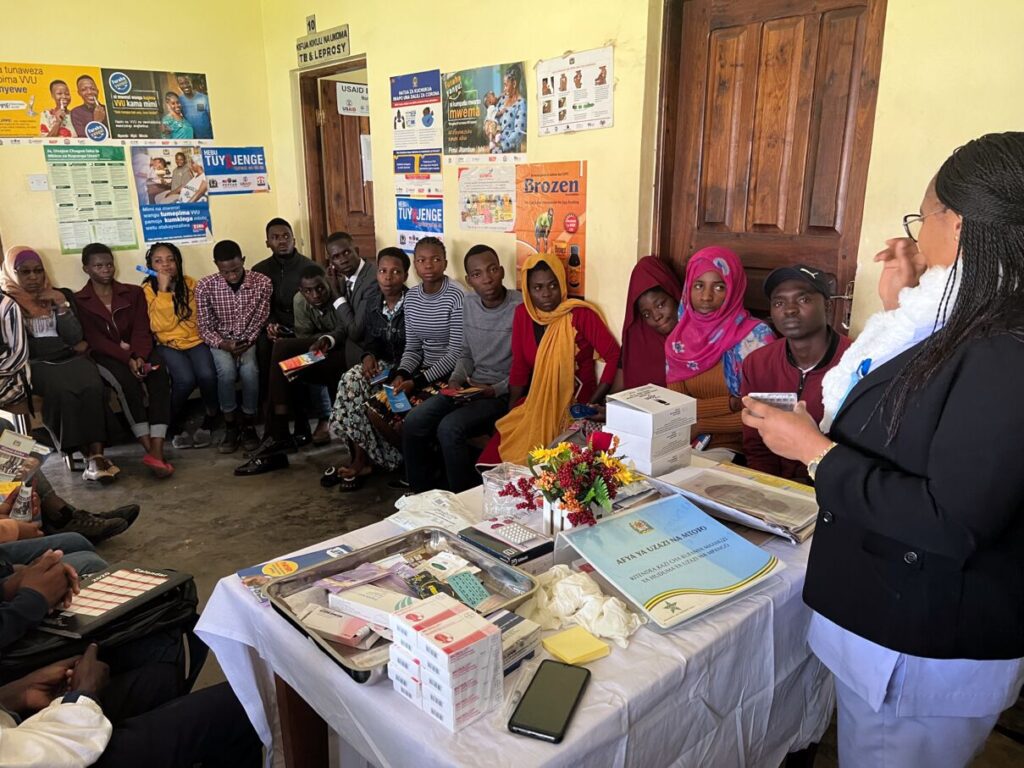
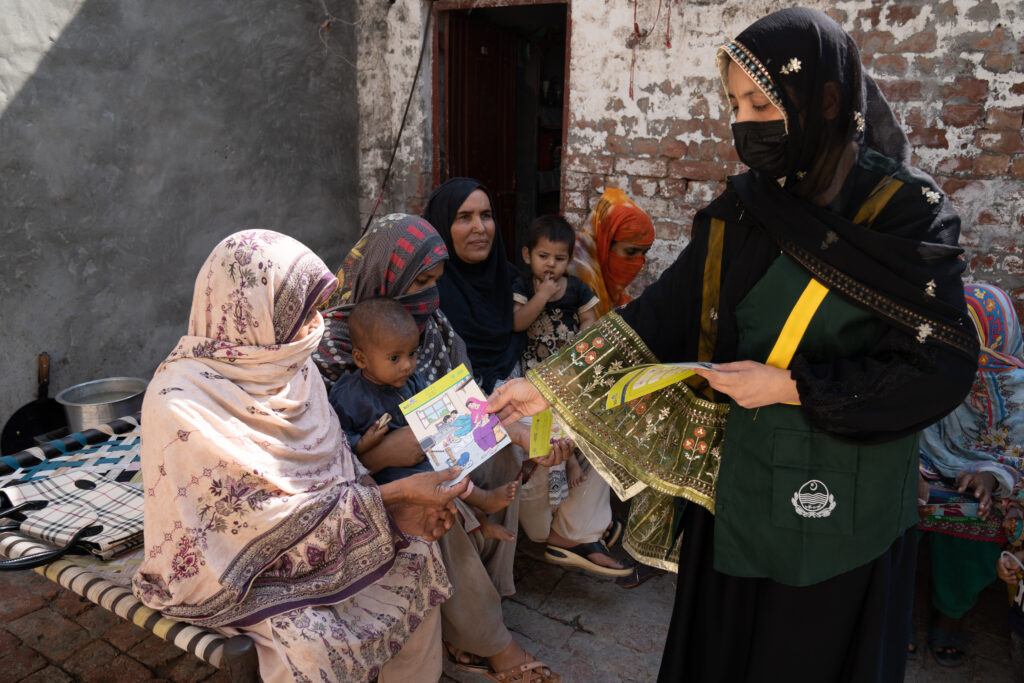
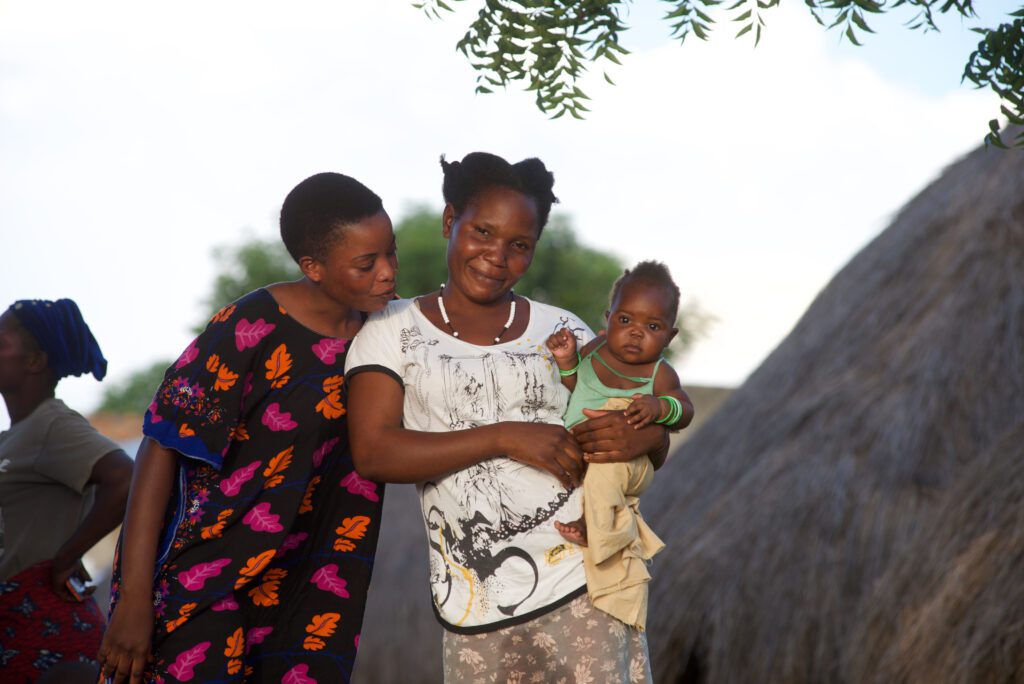
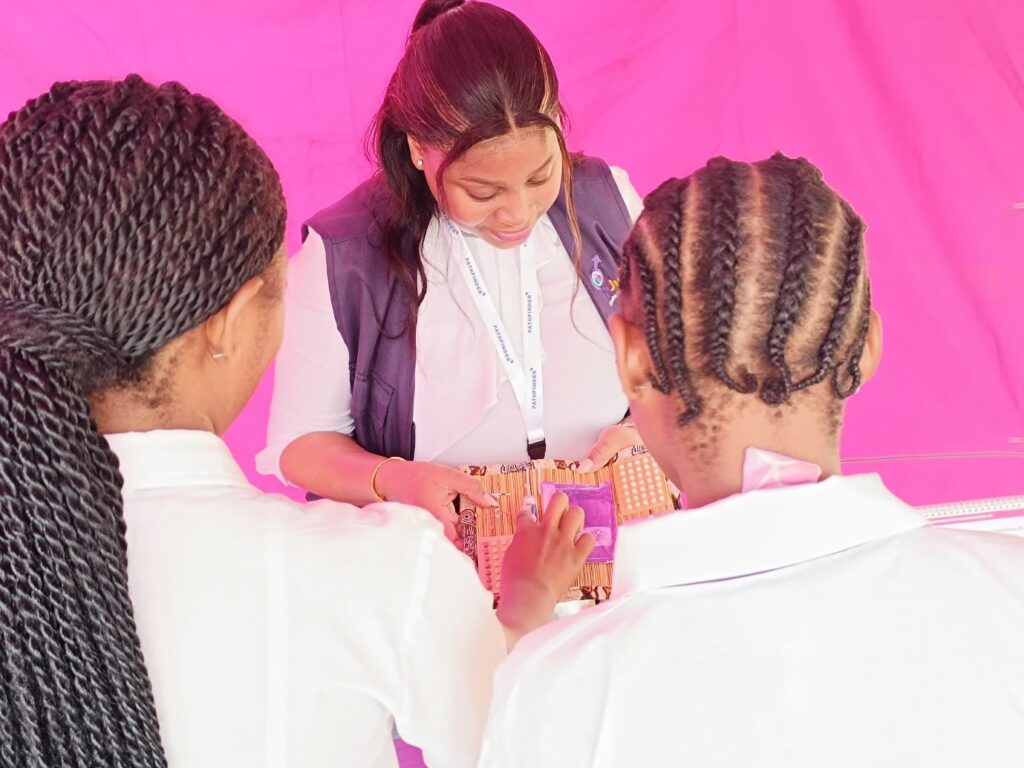
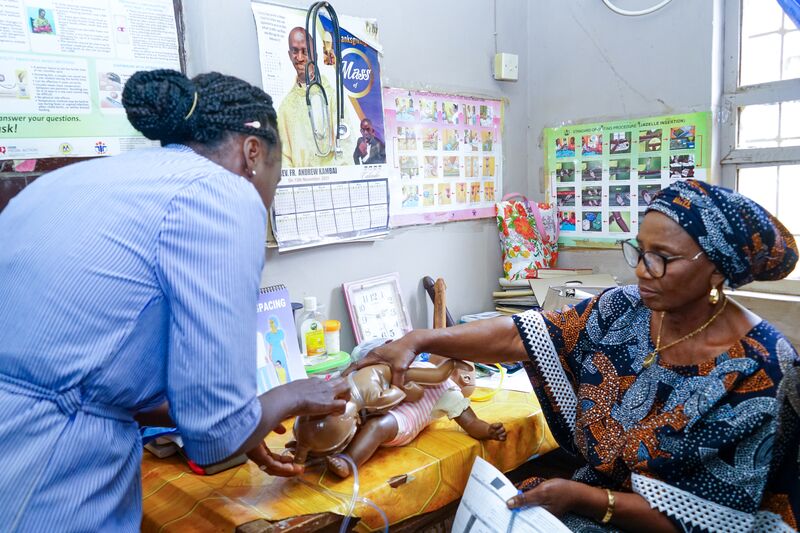
The project supported the delivery of primary health care through a nationwide network called Surjer Hashi, or “Smiling Sun.” The network consists of more than 25 local NGOs, 350+ static clinics, and 10,000+ satellite clinics. In total, it served approximately 25.7 million people (16% of the population).
Project Activities
Supported the delivery of primary health care—reproductive health, child health, behavior change communication, communicable disease control, and limited curative care—through the nationwide Surjer Hashi or “Smiling Sun” network.
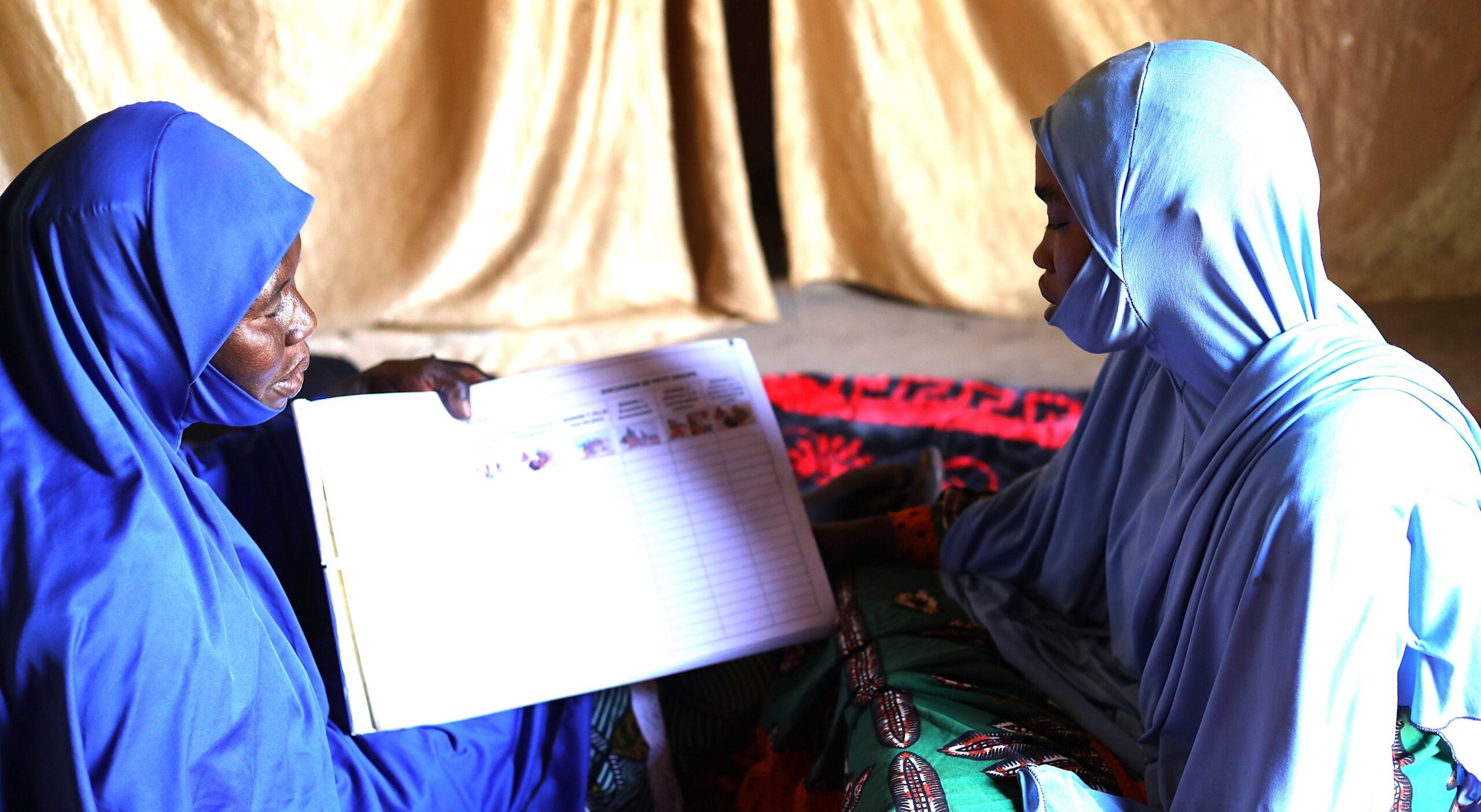
Made sure every woman has access to the information and health care—from her home to the health facility—to safely deliver her baby and care for herself and her children.
Built the capacity of local organizations to provide quality health services for poor and underserved populations.
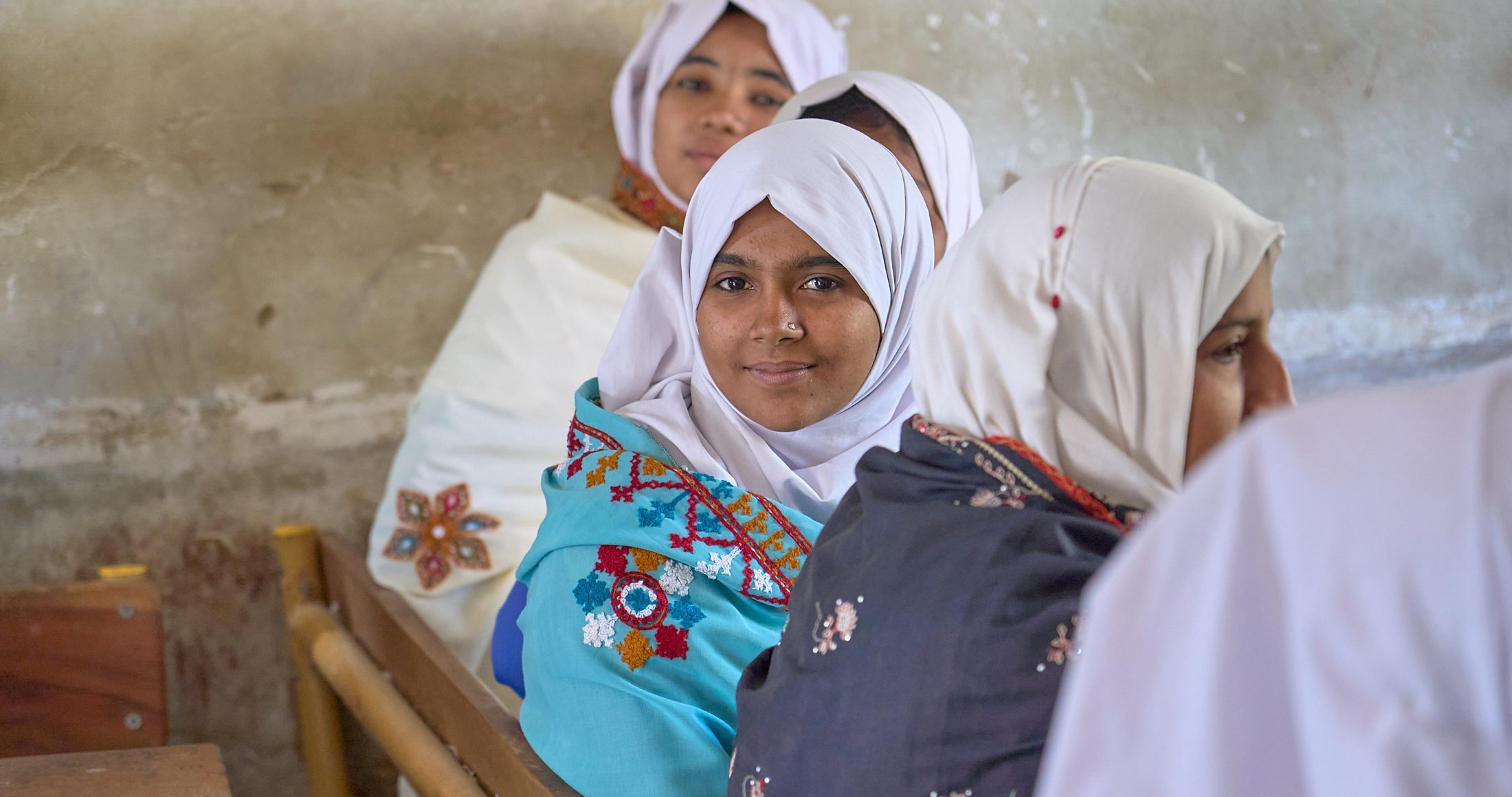
Focused on the unique sexual and reproductive health needs of adolescents—the largest generation of young people in history—as they come of age.
Led a consortium of partners, including CARE/Bangladesh, Bangladesh Center for Communication Programs, Johns Hopkins University Center for Communication Programs, Social Marketing Company, Rapport Bangladesh, and Nari Uddug Kendra.
What We’re Reading (and Listening to): Country-Led Action in Practice
We’re taking a break from our typical newsletter articles to bring you a curated roundup of recent reads, podcast episodes, and insights about our favorite topic—country-led action and how international aid can…
Yuvakaars: Pathfinder India’s Scalable Social Entrepreneurship Model for Rural Health Care
Through Pathfinder India’s innovative social entrepreneurship model in rural India, young couples delivered quality health products and services to underserved and…
Delivering Context-Specific Maternal Health Solutions in Fragile and Insecure Settings
When a woman dies from preventable complications during childbirth, it signals a systemic failure. In fragile and conflict-affected settings, these vulnerabilities…
Beyond Participation: Ensuring Women & Communities Lead Climate Resilience
To truly build resilience in the face of the climate crisis, we must shift the power dynamics: from top-down interventions to community-led transformation—with…
We’re taking a break from our typical newsletter articles to bring you a curated roundup of recent reads, podcast episodes, and insights about our favorite topic—country-led action and how international aid can…
Through Pathfinder India’s innovative social entrepreneurship model in rural India, young couples delivered quality health products and services to underserved and…
When a woman dies from preventable complications during childbirth, it signals a systemic failure. In fragile and conflict-affected settings, these vulnerabilities…
To truly build resilience in the face of the climate crisis, we must shift the power dynamics: from top-down interventions to community-led transformation—with…