By: Madiha Latif
As the world looks to the end of 2024—which has seen COVID-19 and destructive weather become part of the new global normal—we must resolve to make women’s health a global priority.
In households, communities, and health facilities, women play a critical role in the response to infectious diseases such as COVID-19, and to extreme weather events including floods and hurricanes. Isolation and displacement due to pandemic shutdowns and climate-related disruptions increase the risk of gender-based violence (GBV), unintended pregnancies, and general health complications for women as they are relied on as nurses and doctors, and as mothers and daughters. Supporting women’s health strengthens global health security and promotes resilience against future health crises.
Infectious disease and climate change threaten women’s sexual and reproductive health (SRH)
The unequal status and duties of women and girls leave them most vulnerable to the effects of infectious disease and severe weather events. Women’s health security risks grow as climate change increases the danger of disease from water- and insect-borne pathogens plus infections made more difficult to treat due to antimicrobial resistance. Their management of household livestock, for example, exposes them to disease, especially during outbreaks exacerbated by natural disasters. Although women and girls are exposed to viruses and bacteria while collecting water, cleaning animal pens, and preparing food, they also face barriers to accessing health care. GBV can also bring women the risk of drug-resistant sexually transmitted infections.
Whether stemming from infectious disease or climate change, shocks to a community affect the health and autonomy of women by diminishing access to contraception and limiting the prevention of and response to GBV. Throughout our projects in South Asia, the Middle East, and Africa, Pathfinder has seen that isolation following disease outbreak, as well as migration that often follows floods and drought, causes insecurity for adolescent girls and women. Household disruption can drive GBV, and displacement to shelters can lead to unintended pregnancy. When there is a drought or when a market closes due to an outbreak, women lose their incomes from agriculture, making it more likely that they engage in transactional sex and heightening their risk of sexually transmitted infections, including HIV.
Pathfinder strengthens health systems to effectively respond to and recover from existing and emerging health threats, including infectious diseases and climate-driven emergencies, and to protect women’s health. Decades of work with local partners and governments inform our efforts to improve the resiliency of health systems so that they can continue to offer quality maternal and child health and family planning services during and in the aftermath of crises. Our experience strengthening SRH services and health infrastructure in over 100 countries has enabled Pathfinder to discern possibilities within local health systems for disease prevention, and for community engagement in emergency planning and response.
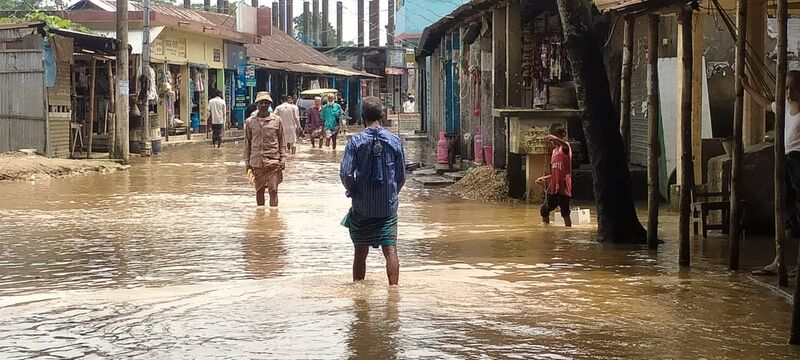
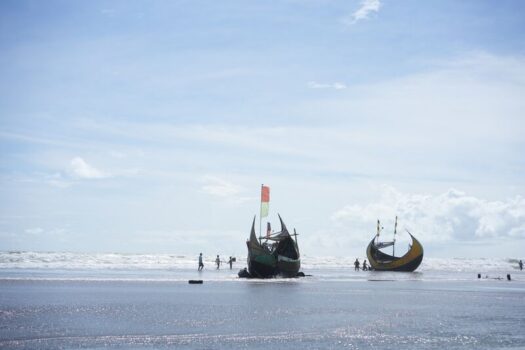
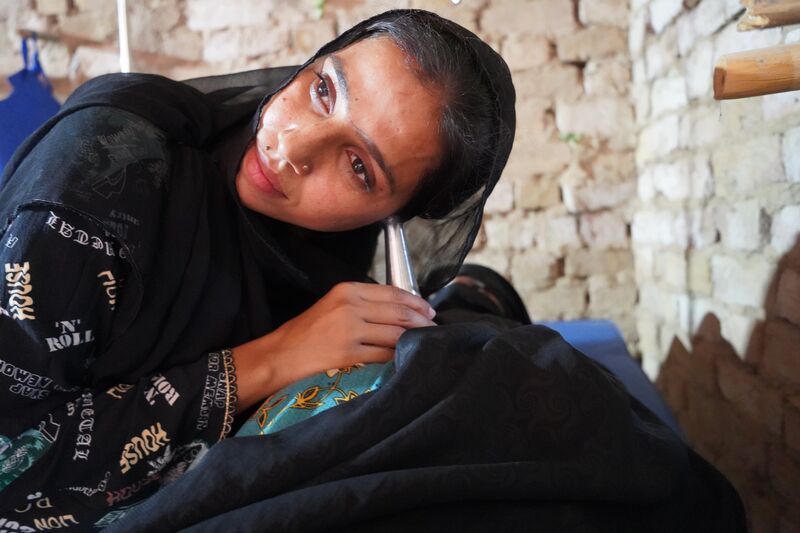
Devastating floods in Sylhet, Bangladesh
Building health security from communities up
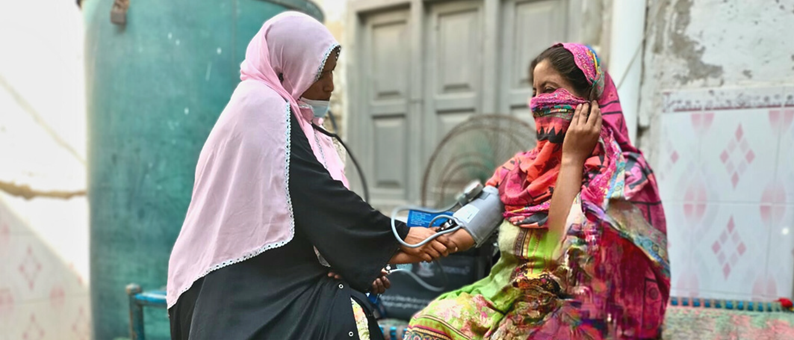
Pathfinder’s work in Pakistan during the COVID-19 pandemic exemplifies our integrated approach to improving SRH and health security. During the first months of the pandemic, Naya Qadam—a family planning project—quickly adapted service delivery and training activities to focus on preventing the spread of the virus, as well as on the consequential challenge of GBV. Naya Qadam trained community health workers and SRH providers in infection prevention and control, developed a women-led community information and referral network, and trained youth champions to aid the dual response to Covid-19 and GBV. Pathfinder used technology to deliver trainings remotely, and mobilized efforts to produce personal protective equipment for local health workers.
Leveraging community health networks for health security and climate resilience
The challenge posed by infectious disease outbreaks and extreme weather events come not just from acute emergencies but the chronic effects that erode health infrastructure. While clinical understanding and epidemiological knowledge are important during outbreaks, the most effective response engages local health structures and community health networks—working with who we know and what we already do.
In Pakistan and Bangladesh, our Advancing the Leadership of Women and Girls Towards Better Health and Climate Change Resilience project supported communities during the devastating floods in 2022 and 2024. During these emergencies, the project worked with health facilities and the community health workforce to limit disease outbreaks and sustain services for their communities, including maternal health and delivery services at local hospitals. In Pakistan, the project helped distribute over 30,000 units of essential medicines, and supplied nutritional supplements for malnourished lactating mothers, pregnant women, and children. After the crisis in Bangladesh, the project coordinated multi-sectoral stakeholders in a preparedness assessment of 530 health facilities that also considered the capacity for schools to serve as shelters during the next weather event or pandemic. These assessments guided partners to fill gaps, such as ensuring availability of hygiene facilities and menstrual supplies for women.
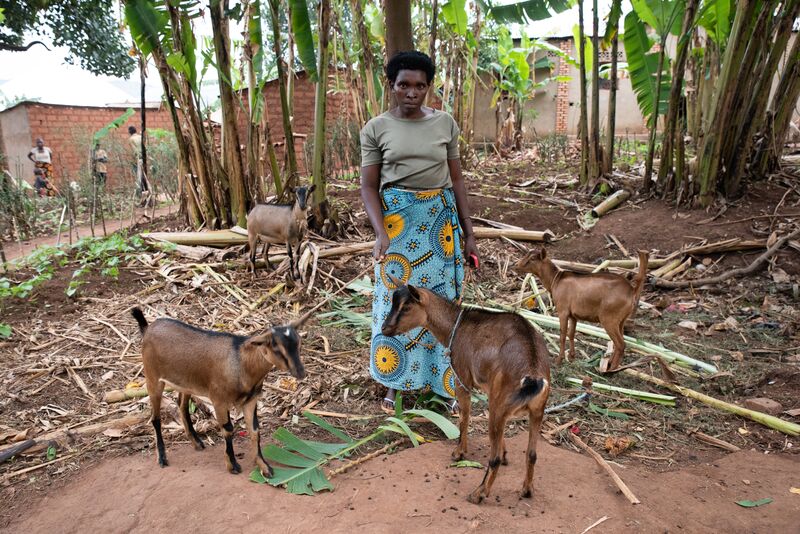
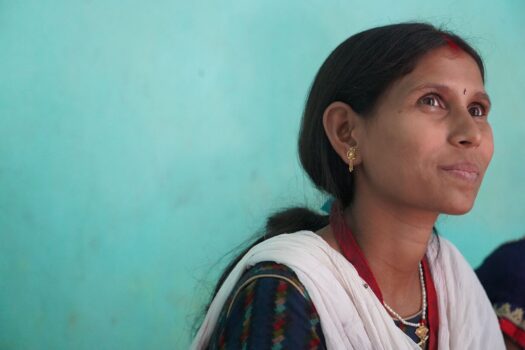
Christellie Kanziza, a participant in Pathfinder’s Merankabandi II project in Burundi’s Kirundo province. The project has supported marginalized communities to strengthen their capacity for income generation, building resilience to unexpected shocks and stressors.
Because building resilience and preparedness takes the whole community, Pathfinder engages men, women, and youth as entry points for emergency planning and response. This involves WhatsApp groups, local faith leaders, and digital campaigns—leveraging local stakeholders in what global health security programs call “Risk Communication and Community Engagement.” As lead of the USAID/Pakistan Building Healthy Families, Pathfinder has worked with district governments to reach over 400,000 Pakistanis with critical health information and services by engaging 8,000 Lady Health Workers in Sindh province.
As extreme weather events and disease outbreaks increase in frequency across the countries where we work, Pathfinder engages communities in building resilience to climate and health shocks, while supporting strong community networks for risk communication and early warning systems. This way of working helps communities increase their resilience to pandemics and climate change—protecting the health of women and promoting the well-being of their families.