Mozambican women, on average, have about six children in their lifetimes—and not always by choice. In Mozambique’s Manica and Tete provinces, 59 percent of adolescent girls and young women express an unmet need for contraception to delay or space pregnancies.1 As a result, many parents struggle to feed and educate their children, and do not have positive perceptions of reproductive health and contraception.
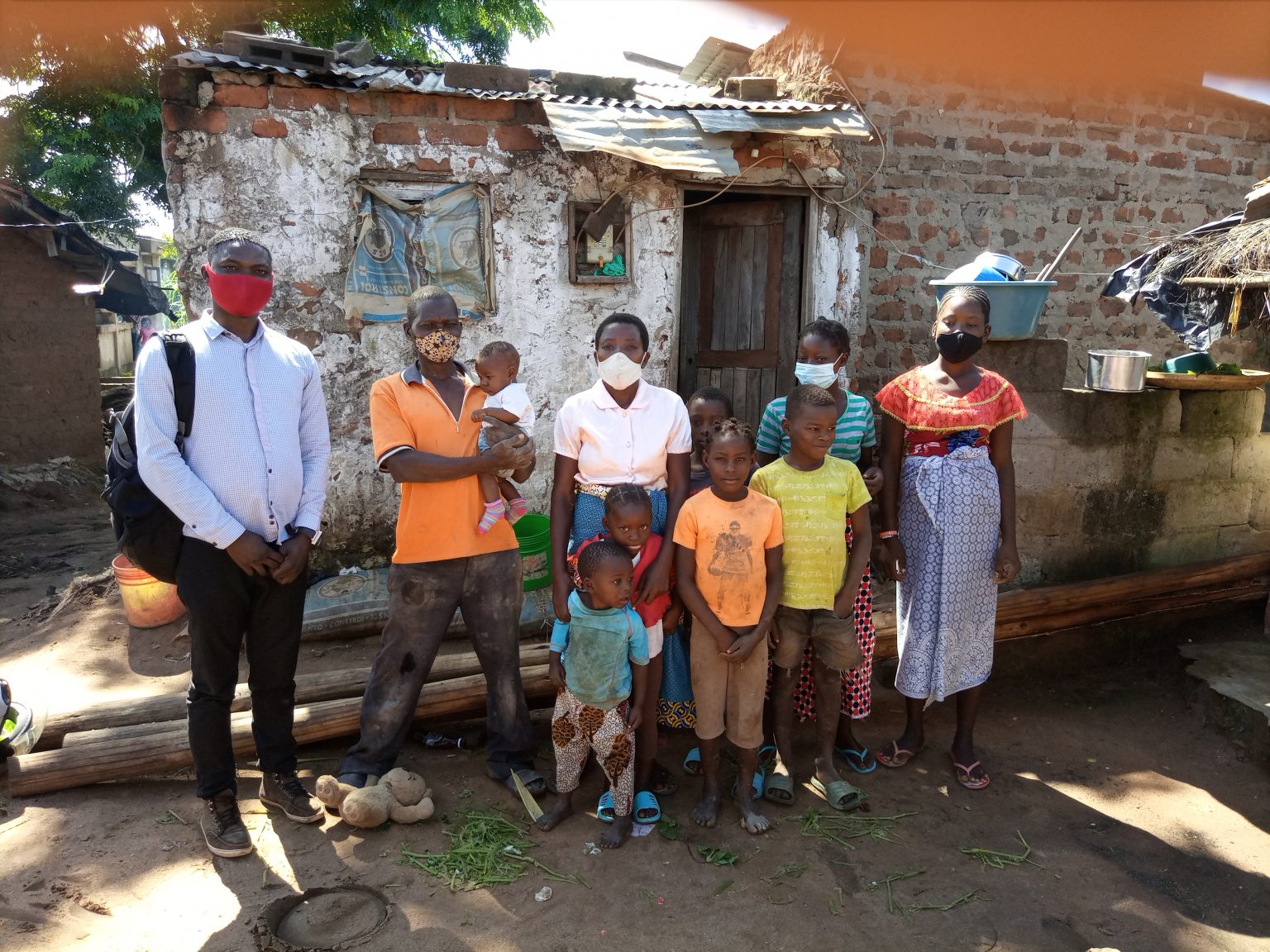
This was a reality for Carlos Albino.
For most of his adult life, Carlos, a 56-year old father of nine from Chimoio, Mozambique, was reluctant to talk about sharing domestic tasks and sexual and reproductive health issues. His reluctance left very little room for his wife, Amelia, to make her own choices, including the choice to use contraception. He believed many of myths and misconceptions about contraception—that it caused health problems, including infertility, and that women who use contraceptive methods are ill and disease-ridden.
But now, thanks to the Supporting Family Planning and Abortion Services Project, locally known as Impacto, Carlos sees things differently.
Impacto educates about and transforms harmful gender and social norms in Mozambique’s Manica and Tete provinces to advance sexual and reproductive health and rights and provides quality healthcare to adolescent girls and young women. An important part of this work involves engaging men and boys to create an enabling environment for reproductive rights.
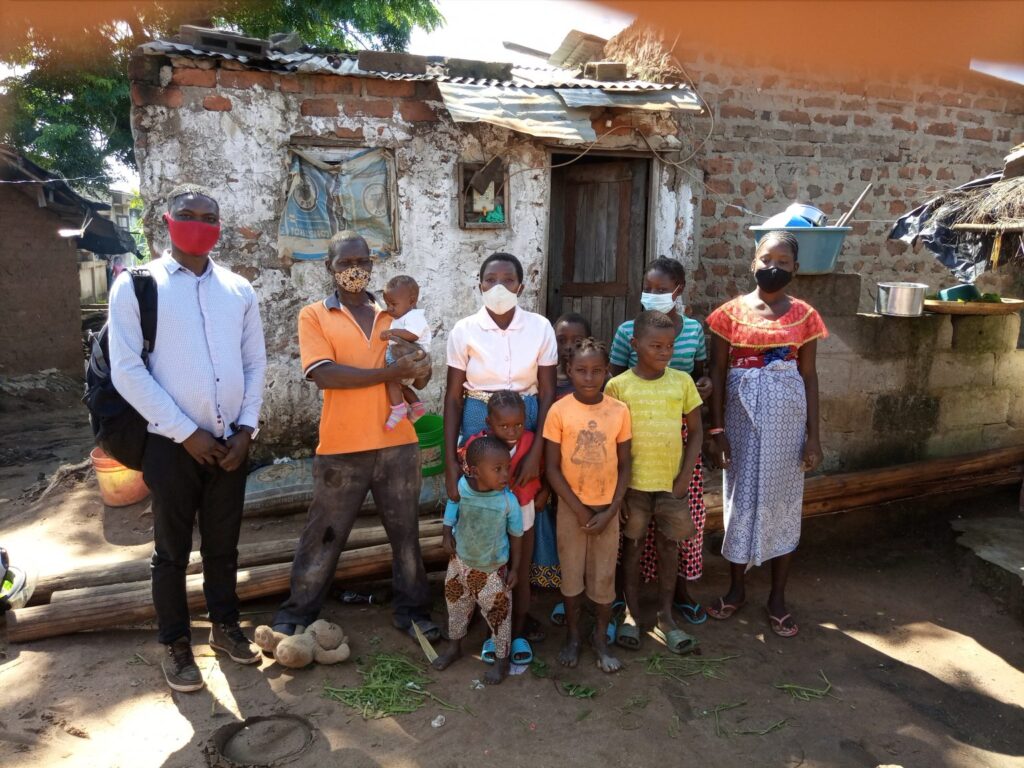
An Impacto volunteer, called a “facilitating agent,” attempted to reached Carlos in his home when he was notified by female activists who had spoken to Amelia that Carlos opposed his wife’s wish to use contraception. But for over a month, Carlos could not be reached. He would say he was not available or out of town. After finally reaching Carlos, the “facilitating agent” persuaded Carlos to join a series of six group sessions with other men held weekly in his community.
Carlos participated in thought-provoking discussions about gender inequalities and traditional masculine norms, increasing his knowledge about contraceptive methods, debunking myths and misconceptions about use of contraception, and challenging restrictive gender norms. He became more sensitive to his wife’s needs and cultivated a new understanding of sexual and reproductive health. He became more receptive to Amelia making decisions about her own body. Amelia is now using contraceptive methods as she initially desired.
In Mozambique, men play a critical role in reproductive decision-making. That’s why the Impacto approach of deploying male “facilitating agents” who work together with female activists, through our local partner Associacao de Jovens da Soalpo (JOSSOAL), to make regular visits to households is so crucial. The female activists privately meet with the women and girls in the household to talk about various issues including access to reproductive information and services, if their male partner or family member is preventing them from going to school, if they are at risk of early marriage, and if they experience violence at home. Should any of these issues be identified, the male “facilitating agents” are notified by the female activists to intervene and reach out to the male partner.
Today, Carlos is committed to being a champion of sexual and reproductive health in his community and is now working with other families to shift inequitable gender norms and improve the lives of young adolescent girls and women. “Not knowing is bad, not learning is worse. But knowing and learning and not changing is destructive. Learning from Impacto has helped me to truly change, and to know caregiving, family planning is not just a women’s issue,” he said.
Resources:
1 Impacto Survey 2018-2019, Tete and Manica Provinces.