By: Crystal Lander, Pathfinder International and Caroline York, IntraHealth
The effects of climate change are increasing at meteoric rates, devastating health care systems, especially the health workforce, which is critical to delivering essential services in times of crisis. Governments, NGOs, and the private sector must collectively pour monetary, emotional, and structural support into the hands of health workers, or they will not be mentally or physically prepared for the next climate crisis.
Health care systems are seeing an influx of patients suffering from acute climate-induced health issues, such as dehydration, heat stroke, and increased outbreaks of tropical diseases. Health workers are struggling to keep up, and more frequent natural disasters like flooding and hurricanes, among others, are putting health workers in danger.
In South Sudan, for example, historic flooding in more than 42 counties put the country’s health care system under tremendous stress this past year. Over 890,000 South Sudanese were impacted, with 58 health facilities completely submerged. In a country already battling a humanitarian crisis, climate-exacerbated flooding is pushing the country to the brink.
A shortage of 10 million health workers, with great disparities
Globally, we need 10 million more health workers by 2030 to meet health care needs. The devastating impacts of climate change—including impacts on the mental health of frontline heath workers—is causing this deficit to grow. In 2022, 46% of health workers reported feeling burned out, and a striking 44% intended to change professions.
Climate change affects low-income and marginalized health workers disproportionately. In Africa, climate change will increase the number of people at risk of malaria by at least 21 million. Therefore, people living in these countries—and the health workers who serve them—bear the brunt of climate change impacts.
Furthermore, women are 70% of the health workforce. With most of them underpaid or not paid at all, significant investments must be made to support these women on the frontlines of climate crises.
As the number of patients increases, health workers are more strained than ever before. In many clinical settings, health workers are overworked, underpaid, and underappreciated. There must be significant investments in the existing health workforce, as well as an increase in the number of new health care professionals, as they are the best defense against climate-induced crises.
Health workers: integral to health and climate adaptation
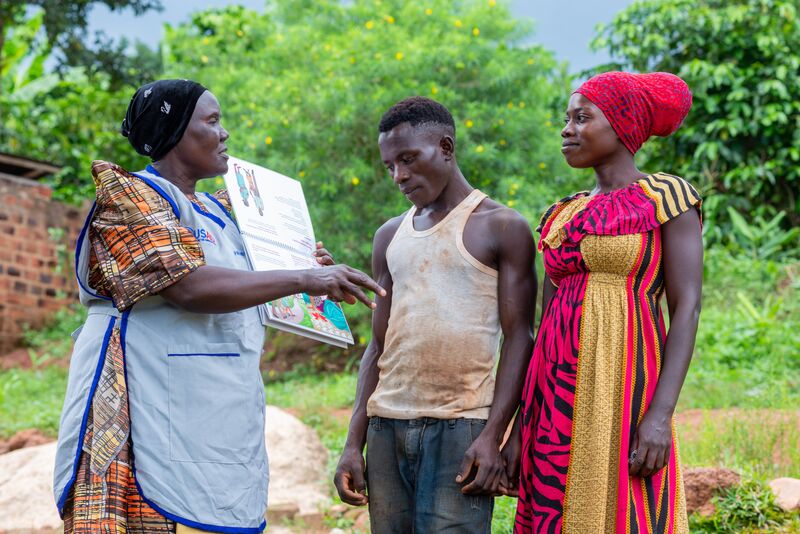
Health workers are not only essential to addressing the health impacts of climate change. They are trusted to deliver information on disease prevention and climate change adaptation. Governments must work with them to help communities adapt to the impacts of climate change and equip them with the tools they need to address climate-related diseases. In Egypt, Pakistan, and Bangladesh, for example, Pathfinder is working with clinical providers to ensure health clinics can serve through climate emergencies by strengthening supply chains, ensuring resilient health system infrastructure, and ensuring up-to-date knowledge and skills on treating climate-related diseases and health impacts. At the same time, the organization is mobilizing community health workers to work on climate preparedness, including tracking and making referrals for pregnant women who may need to deliver during a natural disaster, linking women to contraceptive services, and sharing information on nutrition, green agricultural practices, and clean water, sanitation, and hygiene during floods.
Increase investments in the health workforce ahead of the next climate crisis
By combining the efforts of NGOs, governments, and the private sector, we can help health workers with the current and future climate crisis. However, what is being done now is only a drop in the bucket in comparison to what needs to be done to fortify health workers against the next health crisis. Concrete, actionable, and well-funded plans need to be made so that the health workforce is prepared to help serve community members and protect themselves.
Though the effects of climate change cannot be reversed, the way we treat our health workers can. By equipping them with the compensation, training, and tools they need to combat pandemics, natural disasters, and other climate-related inflictions, we can ensure a future where health workers are treated better—so that they can better treat their patients.