When I joined Pathfinder International in 2012, I worked in the field of HIV response. Little did I know, six years later— I would make a dynamic shift in my career to engage young boys and men in the fight for gender equality and ending violence against women.
I now focus on gender-transformative approaches that engage men and adolescent boys, alongside women and girls, in sexual and reproductive health programs in Mozambique. This includes helping men and boys to see themselves as more than just participants, partners, or allies in the fight for gender equality but as key stakeholders and co-beneficiaries.
This work—confronting gender inequalities and removing barriers that threaten the health and well-being of Mozambican women and girls – has become a long-standing passion of mine. Because we all benefit from a more gender-equal society.
Since 2018, I have served as Community Officer for the Supporting Family Planning and Abortion Services Project, locally known as Impacto, where I am now based in Mozambique’s fifth-largest city, Chimoio—the capital of Manica Province. Impacto is a six-year (2018-2024) project that is supported by Global Affairs of Canada and implemented by Pathfinder. The project works across nine districts in two target provinces (Tete and Manica), where 45 percent of adolescent girls and young women aged 15-19 are mothers or pregnant1, and most don’t use contraceptives. In this area of Mozambique, 40 percent of adolescent girls and young women say that the decision to use contraception is made by their partners or others1.
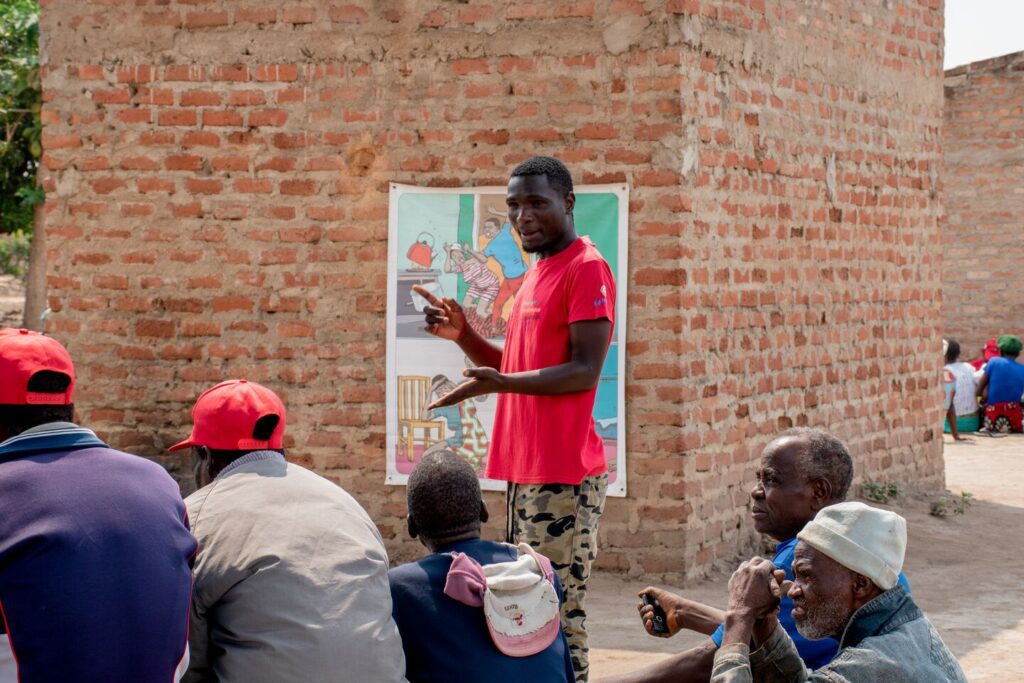
Impacto works to enhance gender equality so that adolescent girls and women can exercise their right to bodily autonomy, safely access sexual and reproductive health services, and attend and stay in school. In Mozambique, programs like Impacto are vital. Women and young girls lack the power to make decisions about their wellbeing, especially when it comes to reproductive health and accessing educational opportunities.
Impacto’s work is strengthening the social and cultural fabric of communities like Chimoio, thanks to a team made up of local male “facilitating agents” and female activists or “activistas”—some of whom I’ve personally trained. They have received extensive training to:
- conduct household visits in various neighborhoods
- provide adolescent girls and women with sexual and reproductive health information and referrals to services
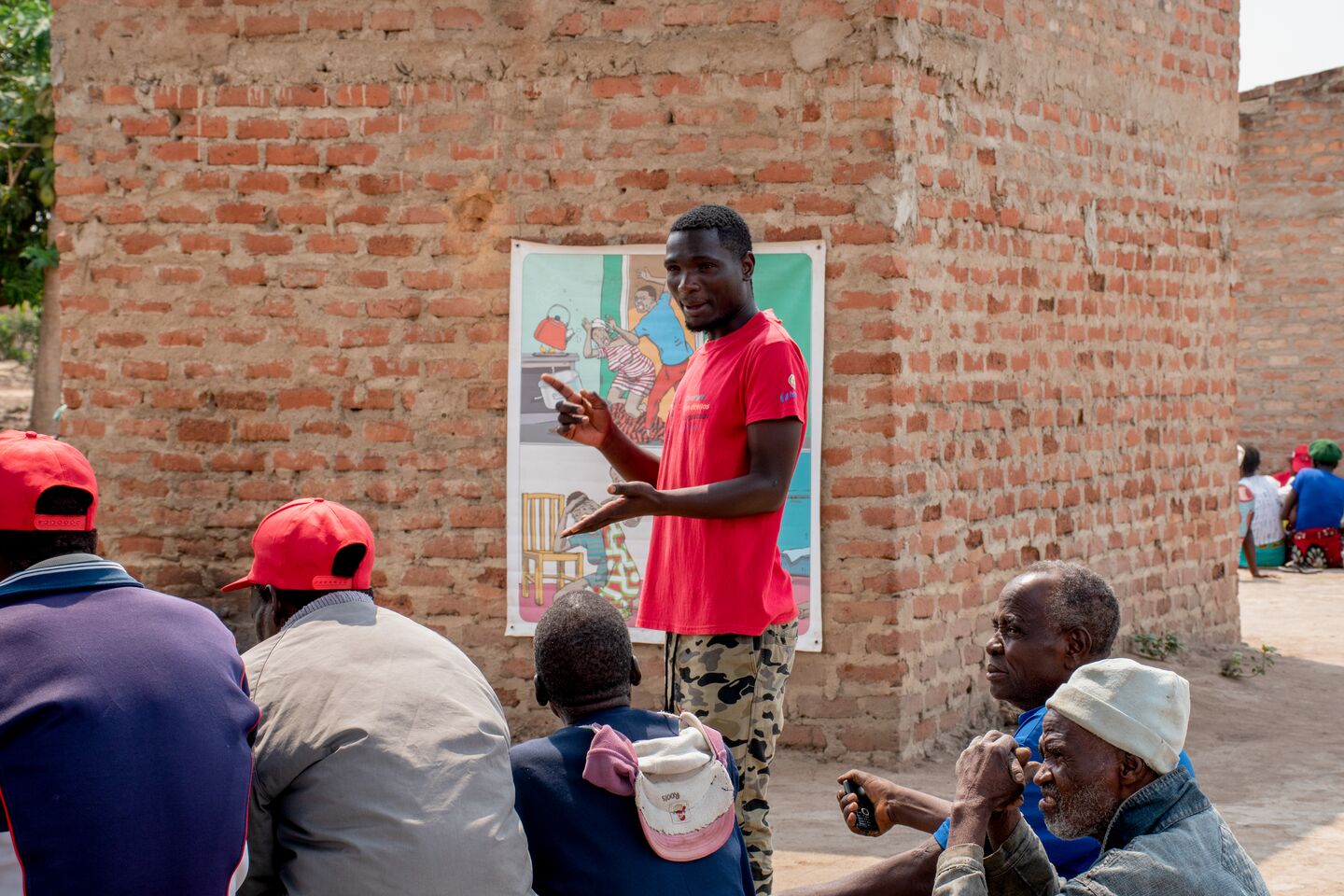
- engage community leaders and facilitate male group sessions to promote positive gender norms
To do this, Impacto teamed up with Associacao de Jovens da Soalpo (JOSSOAL)—a local organization that has been indispensable in the effort to shift gender and social norms by creating space for much-needed dialogue around sexual and reproductive health and rights of adolescents and youth.
When the project started, many people in Chiomio thought, ‘here’s one more project to disturb our peace.’ But they soon came to realize that Impacto was different: we are serious about our work, and we instill a sense of local ownership from the very beginning. Our interventions prioritize the engagement of men and young boys across each life stage, starting from primary school.
Men and boys are often left out of sexual reproductive health messaging campaigns and lack knowledge about contraceptive methods, which can negatively impact their partner’s health. To ameliorate the situation, we are enhancing boys’ and men’s sexual and reproductive knowledge.
Impacto also trains teachers who mentor and educate young boys and girls in primary schools about gender equality to build healthy behaviors during formative years of a child’s development. We are addressing some of the biggest issues girls and women face every day with well-planned programming, in coordination with locally trained community leaders (who are predominately men).
Over the years, I have seen first-hand how our efforts are bringing lasting change. Before Impacto, many men believed that contraceptives caused infertility. Now, this is something I rarely hear during group sessions. Also, men are becoming responsible caregivers. I am now seeing more men accompany their wives to prenatal care sessions. It’s been very encouraging to see how men are changing their views about sexual and reproductive health. People must receive accurate information to have the agency to make good decisions about their lives.
The most rewarding part of my work is seeing how Impacto is changing the behavior and attitudes of men in Chimoio. Two men who have stood out the most are Albino Carlos and Jordão Cumbucane. These men, among many others in the program, are building empathy for challenges faced by women and girls, practicing shared responsibility in sexual and reproductive health, and preventing and responding to gender-based violence. These men are daring to challenge inequitable gender norms to build a healthier future with more possibilities for themselves, women and girls, and their children. Read Carlos’s story and Jordão’s story here.