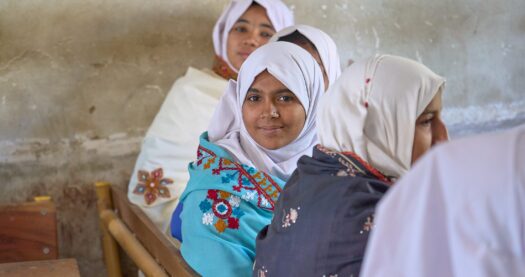
We recently conducted a survey of community leaders and health providers in Mozambique. We asked them about their knowledge and attitudes around sexual and reproductive health and rights and violence against women. Here are some results we thought you’d want to see:
- 1 in 5 community leaders believe rape can be forgiven if the perpetrator marries the victim.
- 3 out of 4 health providers and community leaders agree that a man can’t be held responsible for controlling his sexual behaviors.
- 9 out of 10 community leaders believe a woman must have sexual intercourse whenever the husband wants.
We know that gender-based violence threatens a woman’s health—and her freedom. And you know it too. We recently asked our supporters which areas of our work they care about most. Many of you told us you are passionate about stopping violence against women.
We hear you.
Like you, we want to see a world where women and girls are safe and their sexual and reproductive rights are respected. Where community leaders and providers are leading the call to end gender-based violence.
Here are five ways we’re making this happen:
1. Our response is community-driven.
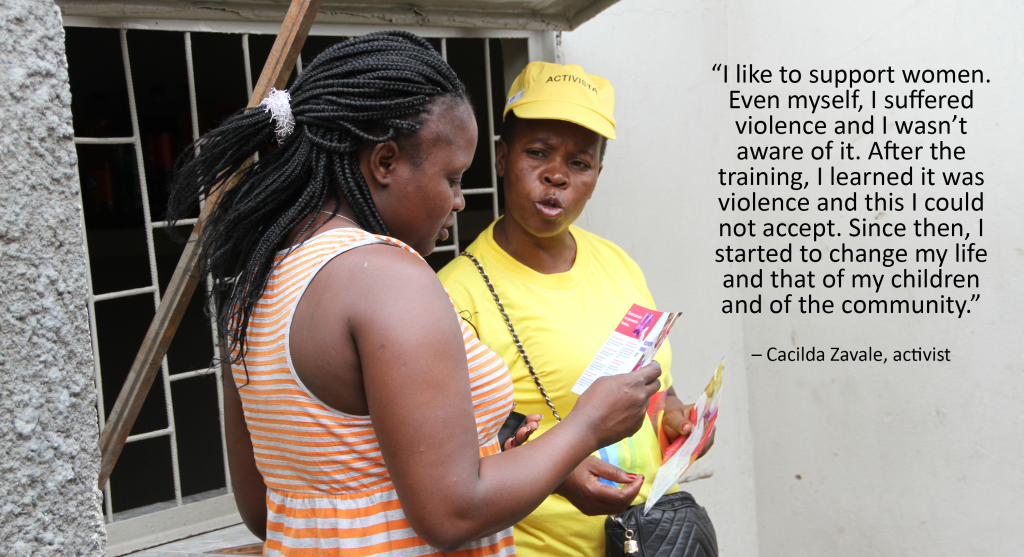
Cacilda knows how devastating gender-based violence can be—she’s lived through it herself. Today, she is a Pathfinder-trained activist in Matola, Mozambique, just outside the capital city. She visits women in her community, sharing information about family planning, healthy relationships, and services available to them.
“I am the mother of the community now. I am strong. Everybody knows that at any time, at any hour, they can knock on my door and they will be helped.”
2. It’s about more than just health.
The factors that underlie and reinforce gender-based violence are complex.
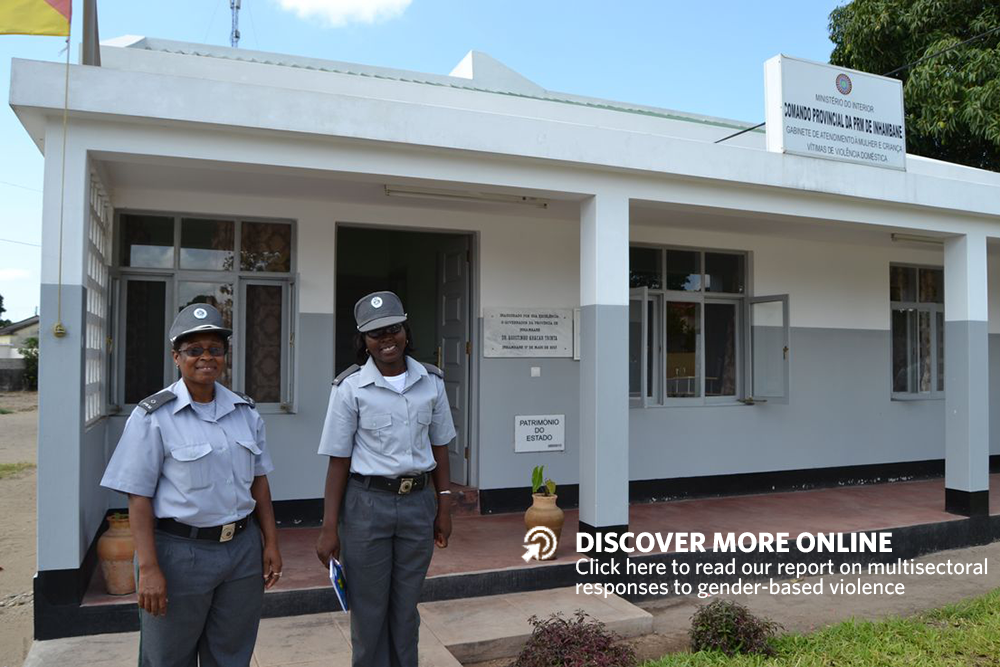
We partner with the health sector to ensure post-exposure prophylaxis and emergency contraception in case of sexual violence, register all cases of gender-based violence, and refer survivors to the services they need.
We also support the coordination of services like legal, psychosocial, health, and police services to increase the accessibility and availability of services, and reduce the need for survivors to re-tell their story again and again.
Read our report on multisectoral responses to gender-based violence >>
3. We’ve adapted from decades of experience.
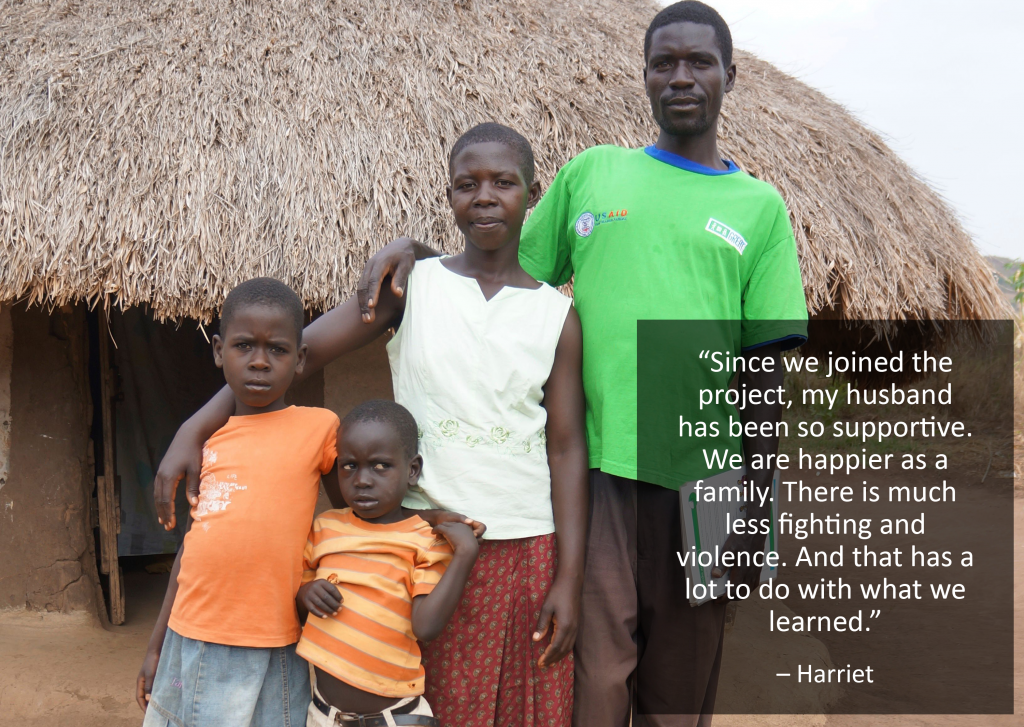
We’re building upon decades of groundbreaking work to address gender-based violence in places where rape is used as a weapon and services are scarce.
From Kenyan refugee camps to Burundi and the Democratic Republic of the Congo to post-conflict areas of northern Uganda, we are committed to reaching the most vulnerable with new tools and interactive games and activities that challenge gender norms.
4. It’s focused on youth.
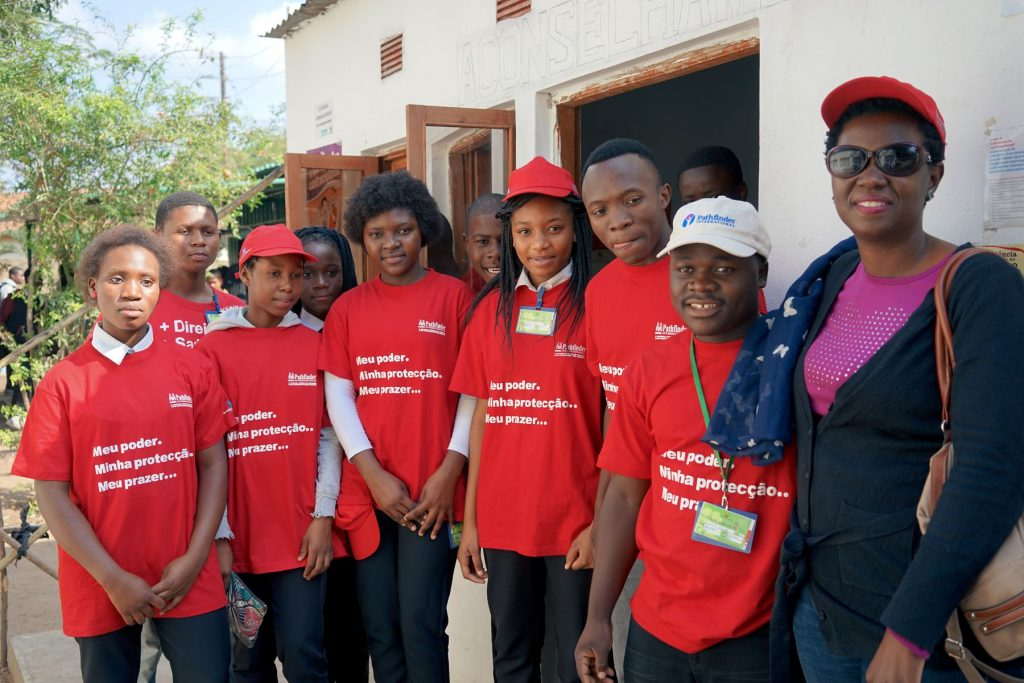
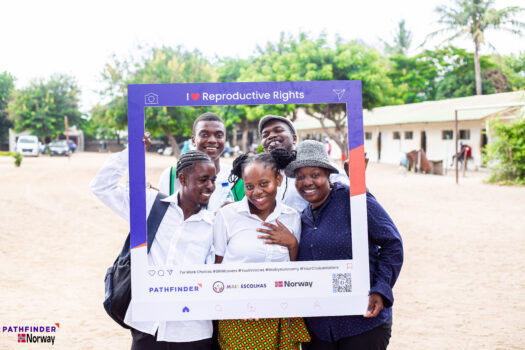
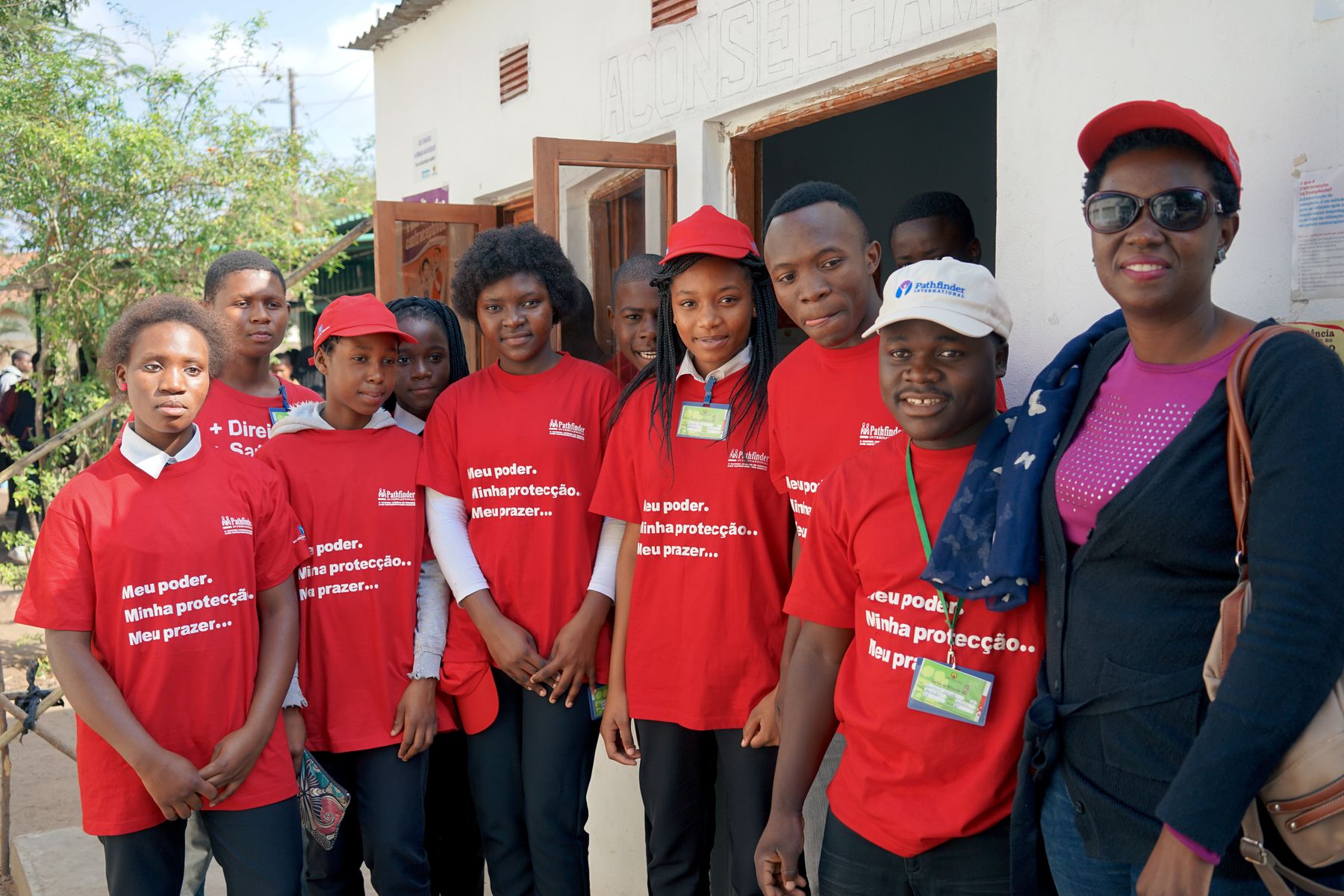
Nada justifica a violência! Nothing justifies violence! Already, students in secondary schools in Matola, Mozambique participate in interactive dialogues around gender-based violence, healthy relationships, and sexual and reproductive health through Pathfinder’s programs. We know how important it is to start these conversations early. Now, we’re doing even more—starting with students in primary school.
“If we really want to change gender norms, we know we have to start younger,” says Nina Yengo, Senior Project Officer on Gender-based Violence and Sexual and Reproductive Health and Rights. “Pathfinder is focusing now on very young adolescents to discuss gender imbalances and contribute to shaping more equal and healthy relationships and behaviors.”
5. You make this possible.
When you support Pathfinder’s work, you help communities break down the barriers that stand in the way of women’s health and rights. Will you stand with us?