Harnessing the voices of women and youth to withstand the climate crisis
My country is one of hope and heartbreak. In Pakistan, traditions interweave with modern aspirations. Fertile land gives life to abundant agriculture that accounts for almost one-quarter of the economy. Vast tracts of farmland break away into mountains, with a staggering 7,200 glaciers. Natural diversity abounds.
But our natural canvas is at risk. Climate-related disasters over the past two decades have had a devastating impact. In 2022, damaging floods upended the lives of more than 33 million people, leaving a trail of destruction and ruined infrastructure that the nation has struggled to fathom and overcome.
Although Pakistan is one of the countries where climate change is wreaking the greatest havoc, Pakistanis have only made modest contributions to global carbon emissions—less than 1 percent. Just as climate change is having a disproportionate impact on Pakistan, those impacts are felt the most among marginalized populations, accentuating pre-existing inequalities. Women and girls stand at the forefront of adversity.
Meeting the needs of rural women
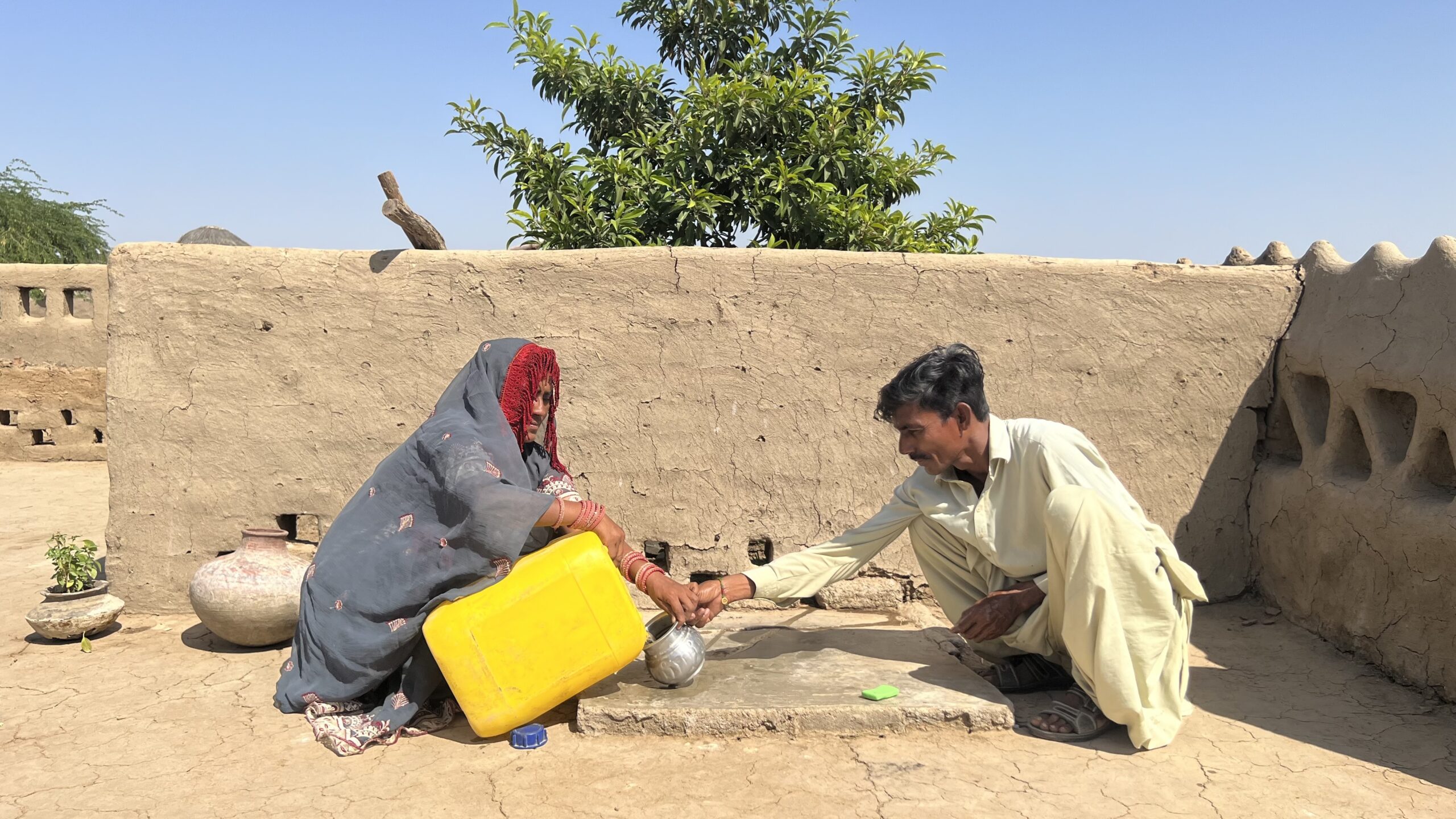
Consider the plight of rural women, often encumbered by limited access to health care even in the absence of natural disasters. This deficit can be attributed to several factors, including a lack of quality services offered by the health care system, gender norms and traditions dictating that men must accompany women when they seek health care services and make decisions for them, simply being too far from a health care facility, or not knowing where services are offered.
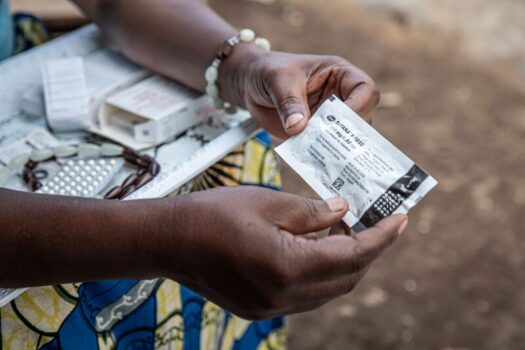
This is true of family planning services, leading to unintended pregnancies and women being unable to make their own reproductive health decisions. Climate-related disasters further exacerbate this issue, compromising and destroying health infrastructure, putting health care further out of reach, giving rise to numerous health problems, and leaving women without access to contraception and life-saving reproductive health services.
These challenges deeply trouble me, yet I hold on to hope. Although the journey ahead remains lengthy, strides toward progress are being made.
Pathfinder’s climate-resilience work, for instance, strengthens the health system by preparing it to better withstand and serve through crises, while empowering women and their families to remain resilient in the face of climate-induced adversities. One of Pathfinder’s initiatives extends across six districts of Pakistan, and the impact achieved thus far is undeniably significant. Over the past year, approximately 300,000 community members participated in awareness sessions on disaster preparedness and family planning and about 400 health facilities have been prepared for emergency shocks. In Badin District, women who serve as “climate champions” have planted more than 13,000 mangrove seedlings, improving biodiversity and crop yields, and protecting the coastline from erosion and tidal surges.
Engaging young people in policymaking
Progress is most evident in the young people who are shaping the trajectory of change. They hold the key to Pakistan’s transformational potential. To drive meaningful change and lasting transformation, policymakers across government tiers, especially at the national level, must elevate the role of youth and ensure their active participation in national policy dialogues and decision-making processes.
Although Pakistan’s health care expenditure remains under 1% of its GDP, the current phase of political transformation in the country presents an opportunity to reconsider national priorities and investments in health and climate. It is imperative to integrate youth voices in planning and policy making.
Pakistan’s federal and provincial governments have taken strides to engage youth in planning and policymaking. The federal government’s establishment of a National Youth Council under the Kamyab Jawan National Youth Development Program (2019-2023), which provides a platform for youth input into policy making and collaboration with policymakers, stands as a commendable effort. But further decisive actions must be made.
In Pakistan, we must fully integrate youth representatives within established policy development committees and consultations to ensure their voices inform decisions about health and climate change. Moreover, the federal government should establish youth-led task forces focused on critical sectors, such as health and environmental sustainability. These task forces could collaborate with ministries to conduct research, generate innovative ideas, and propose actionable policies. Not only will youth perspectives harness the potential for transformative change, but they will foster a sense of ownership and commitment in the next generations that can drive climate and health resilience initiatives forward.
I will leverage my pivotal role as FP2030 Youth Focal Point for Pakistan to advance health and climate resilience. This includes bringing together government ministries, civil society organizations, and the private sector to co-create, and more importantly, implement strategies that integrate youth-led health and family planning programs with climate resilience initiatives.
Together, we can illuminate a future path where adaptability and resilience to the climate crisis become cornerstones of a more equitable society.
This story was originally was published by FP2030, and written by Maheen Dhanani, FP2030 Youth Focal Point for Pakistan and Senior Program Officer, South Asia, Middle East, and North Africa, Pathfinder International.