Skip to content

Story and Perspective

Menstrual Hygiene Day 2022: Boosting Supplies and Support and Ending Stigma

Ethiopia Bangladesh

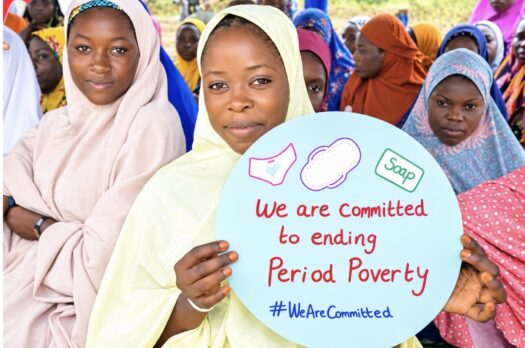
We believe everyone deserves to manage their periods safely, hygienically, and with dignity. We still need access to menstrual supplies even while navigating a global pandemic, even in places of conflict and crisis. From refugee camps in Bangladesh to schools in Ethiopia, we must continue providing access to menstrual supplies, supporting menstrual hygiene, and working to end the stigma around periods.

Menstrual Hygiene Day is a chance to bring together the voices and actions of non-profits, government agencies, individuals, and more to promote good menstrual health and hygiene for all women and girls.

Addressing Menstruation Stigma in Ethiopia
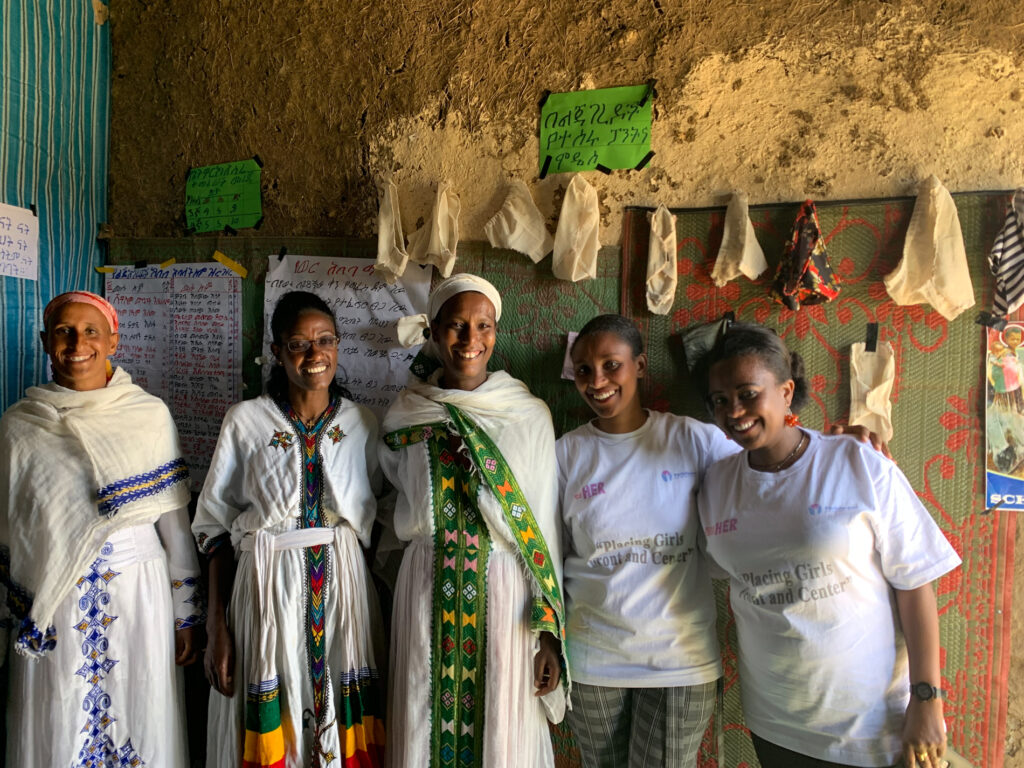
Pathfinder Act with Her staff, school staff, and health extension workers in the entryway to the new MHM building of the Yewiha Midir Primary School. Photo: Tricia Petruney

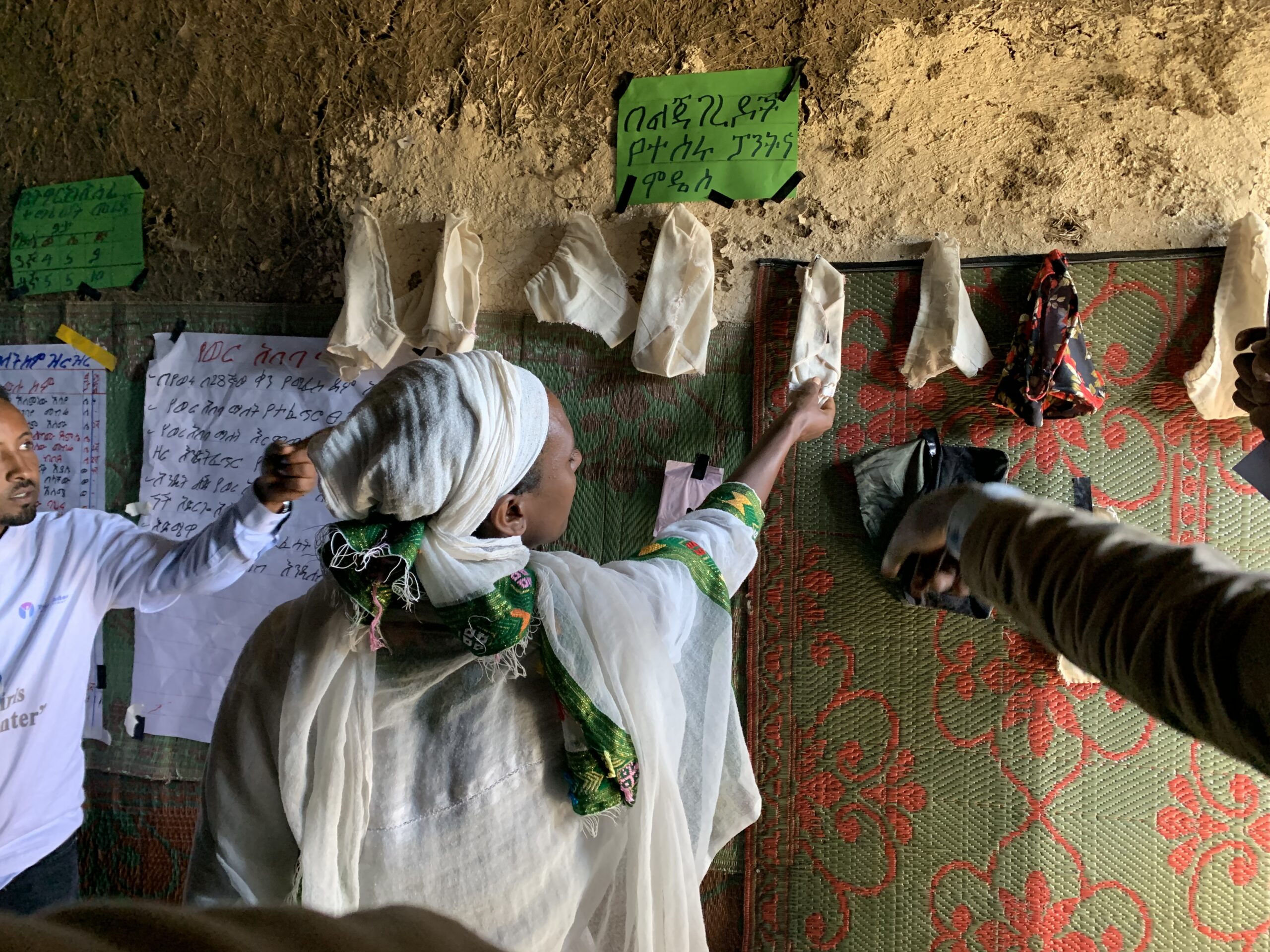
Pathfinder’s Act with Her project is part of a growing global movement of girls and changemakers who are advocating for better menstrual health and hygiene management, particularly during adolescence and within school environments. Puberty and menstruation education are core topics covered for the youngest adolescent participants, ages 10-14.

  • Going to School with Your Period: Stigmatizing or Supported?: Tricia Petruney, Pathfinder’s Act with Her Project Director, shares her personal experiences of not feeling supported during her adolescent years when it came to menstruation and how those same stigmas continue to effect adolescent girls in Ethiopia.
  • Menstruation Matters in Very Young Adolescents: Read how the Act with Her project highlights and addresses menstruation and menstrual hygiene on the frontlines. And learn what adolescents, mentors and frontline staff learned during educational sessions

Improving Menstrual Hygiene Management for Refugees in Bangladesh
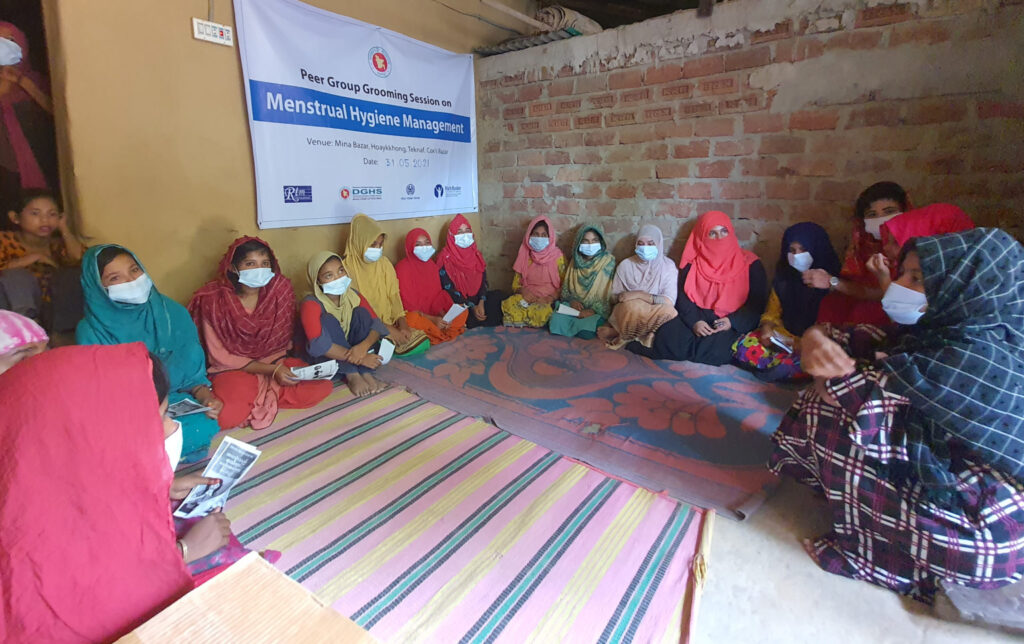
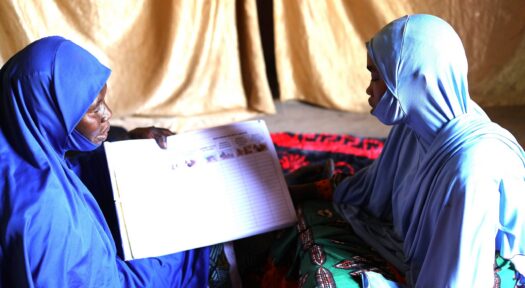
Peer group session on menstrual hygiene management. Photo: Monira Hossain

“Now, I feel comfortable using the sanitary pads as I can feel free up to six hours… I also learned where to find the sanitary pads with their uses and menstrual hygiene. I proudly share the messages I learnt with my younger sister and some friends.” 

Jannaharu Bibi, 15, Participant

Since 2017, approximately 867,000 Rohingya have fled violence in Myanmar and sought refuge in Bangladesh. Fifty-two percent of Rohingya refugees in Cox’s Bazar are women and girls. In an emergency and humanitarian setting such as this, women and girls have specific needs that are often unmet.

One of the most immediate—and least talked about—needs is support for menstrual hygiene management (MHM). For displaced women and girls, changes in their environment, social support networks, and socioeconomic status can impact their ability to manage menstruation. Insufficient access to sanitary supplies, latrines, and sanitary or disposal facilities challenge their safety and privacy. 

Learn how we addressed this issue through the implementation of our pilot project: Improving Menstrual Hygiene Management in Emergencies for Rohingya Adolescent Girls in Cox’s Bazar >>
Featured Stories & Perspectives

Mobile Health Teams Ease Suffering for Women in Rural Niger

Safia, in her late thirties, has had eight pregnancies. Four of her children made it to their first birthdays, while…

Read More

Contraception is…Equity, Dignity, Justice for Women

At Pathfinder, we stand with government and partners in advancing access to voluntary contraception, working together to build healthier families,…

Read More

Investing in Women: Côte d’Ivoire’s Commitment to Free Family Planning

Alongside making contraceptive services accessible to women at health clinics, Pathfinder supports efforts across communities in Côte d’Ivoire to increase…

Read More
DSSR Ado-Jeunes

DSSR Ado-Jeunes: 10 Years of Youth-Centered, Inclusive SRHR Programming in DRC

Jump to English translation. On est équipés pour relever le défi : Ce que nous ont appris dans les dix…

Read More

Our Work Continues: The Global Impact of USAID Funding Cuts

PROSANI: Innovation and Impact in the Democratic Republic of the Congo | PROSANI’s Impact | Breaking Barriers to Gender Equality…

Read More
Volunteers clean plastic pollution for World Environment Day

5 Communities in Bangladesh Mobilize to Beat Plastic Pollution

Last month, in celebration of World Environment Day, the Advancing the Leadership of Women and Girls Towards Better Health and…

Read More
Climate champions in Pakistan

Investing in Resilience: Strengthening Health Systems Against Climate Emergencies

Climate Champions in Pakistan’s Sindh province provide a vital link between communities and essential health care. Imagine a doctor performing…

Read More
Workshop on preventing cervical cancer in Kano State, Nigeria.

Inside Kano State’s Bold Effort to Prevent Cervical Cancer

“This topic touches me deeply, as I lost my wife to cervical cancer. That painful experience has shown me how…

Read More
Community Health Worker counsels maternal health client.

Celebrating High-Impact Maternal Health Innovations

On this International Day of Action for Women’s Health, let’s listen to women and invest in health care that they…

Read More
Religious leaders in Boboye, Niger.

When a Religious Leader Becomes an Ambassador for Family Planning

“A few years ago, in the space of just 25 days, I lost two children; it’s something that I will…

Read More
Pathfinder

10 actions pour promouvoir l’inclusion linguistique dans le secteur DSSR / 10 Actions for Advancing Language Inclusivity in SRHR

Récap, réflexions et ressources de « Qui n’a pas la parole ? Briser les barrières linguistiques dans le domaine des…

Read More
Supervision visit with community health extension worker at New Era Hospital in Kaduna state. Photo by: Bayo Ewuola

Task-sharing: A High-impact Solution for Improving Health Equity in an era of Dwindling Foreign Assistance

A fresh look at how task-sharing can be optimized in Nigeria By Amina Dorayi, Country Director, and Fanna Mairami, Senior…

Read More