In Kenya, Pathfinder’s Darwin Initiative: Pairing Community Conservation Areas (CCAs) with Sustainable Aquaculture in Lake Victoria Project cultivates a new model for responsible aquaculture that safeguards native species, while ensuring long-term benefits for local communities and engaging women to serve as entrepreneurs and leaders in the fishing industry.
In collaboration with Conservation International, Victory Farms, and Fauna and Flora, Pathfinder has been working with the communities surrounding Lake Victoria to foster sustainable fishing practices through a five-pronged approach.
- Demarcation and protection of fish breeding areas.
- Promotion of cage aquaculture to alleviate pressure on the wild fish population.
- Introduction of alternative livelihoods to mitigate pressure on lake resources.
- Re-Introduction of endangered fish species, such as the Oreochromis esculentus tilapia, into breeding sites for multiplication and growth.
- Promotion of sustainable fishing practices—such as encouraging the use of selective fishing gear to allow smaller fish to escape, ensuring the survival of juvenile fish.
As the fisheries of Lake Victoria make strides toward sustainability, the Darwin Initiative also seeks to cultivate another underutilized resource—the leadership potential of women in the fisheries sector.
Prevailing beliefs around gender roles and societal norms often limit women’s career growth—and potential for economic independence—within the fishing industry. Coupled with fewer opportunities for education and skills development and lack of access to resources and capital, women are often underrepresented, or not represented at all, in decision-making processes that impact the fisheries sector.
These inequalities feed a cycle of vulnerability and exploitation. Jaboya, or “sex for fish,” is a coercive practice stemming from gender-based power imbalances, economic inequalities, and limited opportunities for women.
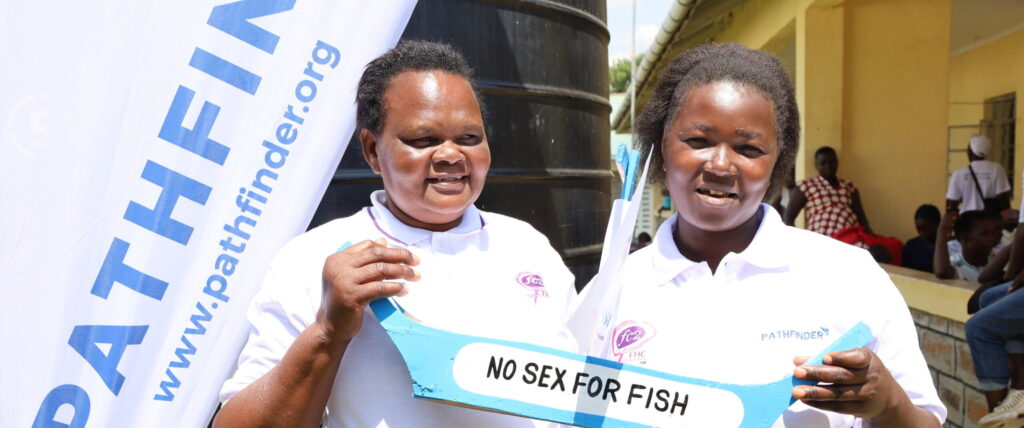
In an effort to mitigate some of the challenges faced by women in the fisheries sector—and chart a course toward a more equitable fishing industry where no one needs to trade sex for fish—the Darwin Initiative distributed boats to women’s groups, equipping these women with the tools they needed to take steps toward economic independence and reshape traditional roles within the fishing community.
Though cultural norms typically excluded women from direct fishing activities, providing them with boats enabled them to employ men, altering the dynamics of ownership within the industry. This shift, in turn, enabled these women to claim ownership of—and profits from—the entire fish harvest.
But it takes more than a few fishing boats in the hands of women to enact meaningful change on the fisheries sector. Additional activities aimed at reducing barriers faced by women in the fishing industry include…
- Training and Skills Building
- Holding empowerment sessions to enhance women’s agency and autonomy.
- Equipping women with the skills to manage resources, make strategic decisions, and adapt to changing market dynamics.
- Enhancing Access to Finances
- Enabling women to initiate income-generating activities, support their families, and reduce financial vulnerability.
- Instilling a culture of savings among women through education and encouragement.
- Linking women to affordable sources of financing to enhance and support their entrepreneurial endeavors.
- Awareness Campaigns
- Sensitizing communities about women’s issues, gender equality, and the consequences of discrimination.
- Championing women’s involvement in leadership positions within beach management units—ensuring that women have a meaningful role in decision-making processes.
- Social Support and Networking
- Building strong support networks among women and their communities to overcome vulnerability.
Women’s growth in the fishing industry not only altered the economic landscape, but also served as a catalyst for societal change, challenging gender norms and fostering greater autonomy for women in the Lake Victoria fishing communities.

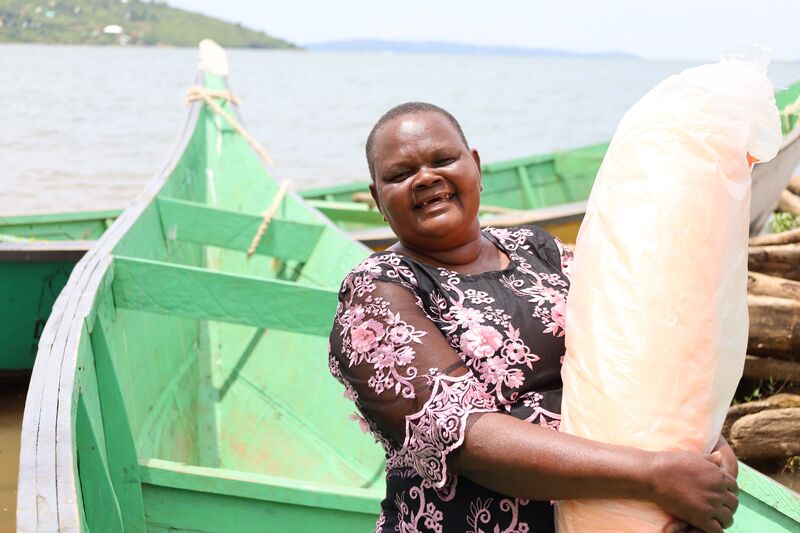
One such woman is Florence Ken, who now serves as Chairperson of Fish Traders in Kaksingri Ward. With support from the Darwin Initiative and the women in her community, Florence braved the beach management unit election, vying for a role traditionally held by men—and won. In her current position, Florence governs the local fish traders in her community, proving that commitment to positive change, not gender, defines leadership.