Universal Health Coverage that Addresses the Needs of Women and Girls
The World Health Assembly (WHA) presents Pathfinder and global health organizations around the world with a huge opportunity to help us deliver on our mission. The most important global health policy discussions in the world take place at WHA, and the policies that result inform health funding decisions across hundreds of countries.
This year, WHA’s resolution on Universal Health Coverage (UHC) is front and center for Pathfinder and the global health community. As a global health organization with locally led, community-driven programs, we work with governments and communities across sub-Saharan Africa and Asia to improve health service coverage and health outcomes, particularly sexual and reproductive health and rights. To do this, we strengthen health systems and support countries to adopt UHC.
In our conversations and engagements at WHA this week, we will continue to advocate for the essential building blocks of UHC, including these three:
- Government subsidization of health care, which allows everyone access to health care irrespective of their financial situation.
- Compulsory participation in health coverage, so that no one is left behind.
- A focus on people-centered health care, including sexual and reproductive health care, which addresses the needs of women and girls.
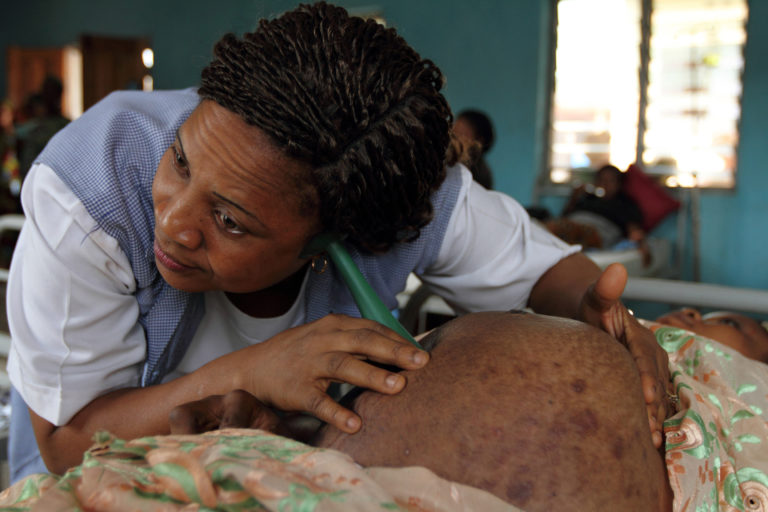
Spotlight on Partnerships for UHC in Nigeria
Our global discussions at WHA will reflect the advocacy work that is ongoing in the countries where Pathfinder works, including our own—Nigeria. In Nigeria, through the Advance Family Planning project, Pathfinder has worked with civil society organizations to advocate for increased investments in health and continued release of national and state-allocated funds to primary health care. This includes pushing for policies, like task-sharing, which ensure adequate human resources for health across Nigerian states and account for community needs and perspectives.
Nigeria is a good example of an African country progressing toward the adoption of UHC. In fact, the government just signed a National Health Insurance Authority Bill into law, which intends to provide health coverage for 83 million Nigerians. To fund health coverage, Nigeria has created the Basic Health Care Provision Fund (BHCPF) that extends primary health care to all Nigerians by removing financial barriers to accessing primary healthcare. This fund is financed through a partnership between the federal government, donors, and the private sector.
These types of partnerships are critical to improving health and saving lives through people-centered health care. A public-private partnership supported by Pathfinder in Kaduna State with the state Ministry of Health and select private health facilities—called “Saving Mothers, Giving Life”—has drastically reduced the maternal and newborn death rate through improved access to quality maternal and newborn health services, including safe delivery services at health facilities. The partners are now using the BHCPF to create a Kaduna state health insurance scheme that will remove any remaining financial barriers to quality health care access among women, children, and their communities. Any person will be able to choose where they receive health care, at a public or private health facility, without worrying about the cost.
Let’s Not Forget Women
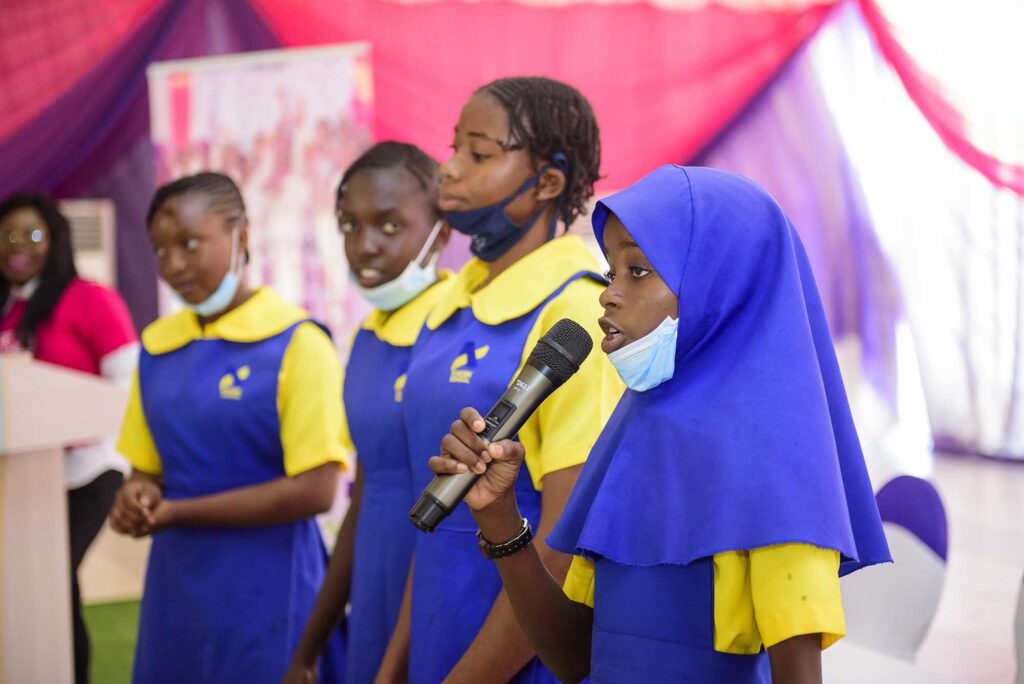
Our work in Nigeria also tells us we need to keep reminding the global community that efforts to achieve UHC need to go hand in hand with efforts to achieve gender equality.
There needs to be more women in health leadership positions to ensure their needs are met and universal access to comprehensive sexual and reproductive health care remains a priority. A plethora of health challenges in Nigeria—and we know this is also true in many places around the world—result from harmful gender norms and bias toward women. At Pathfinder, we advocate for women in leadership positions, and we train our staff and the health workers with whom we work to understand gender dynamics and their effect on health.
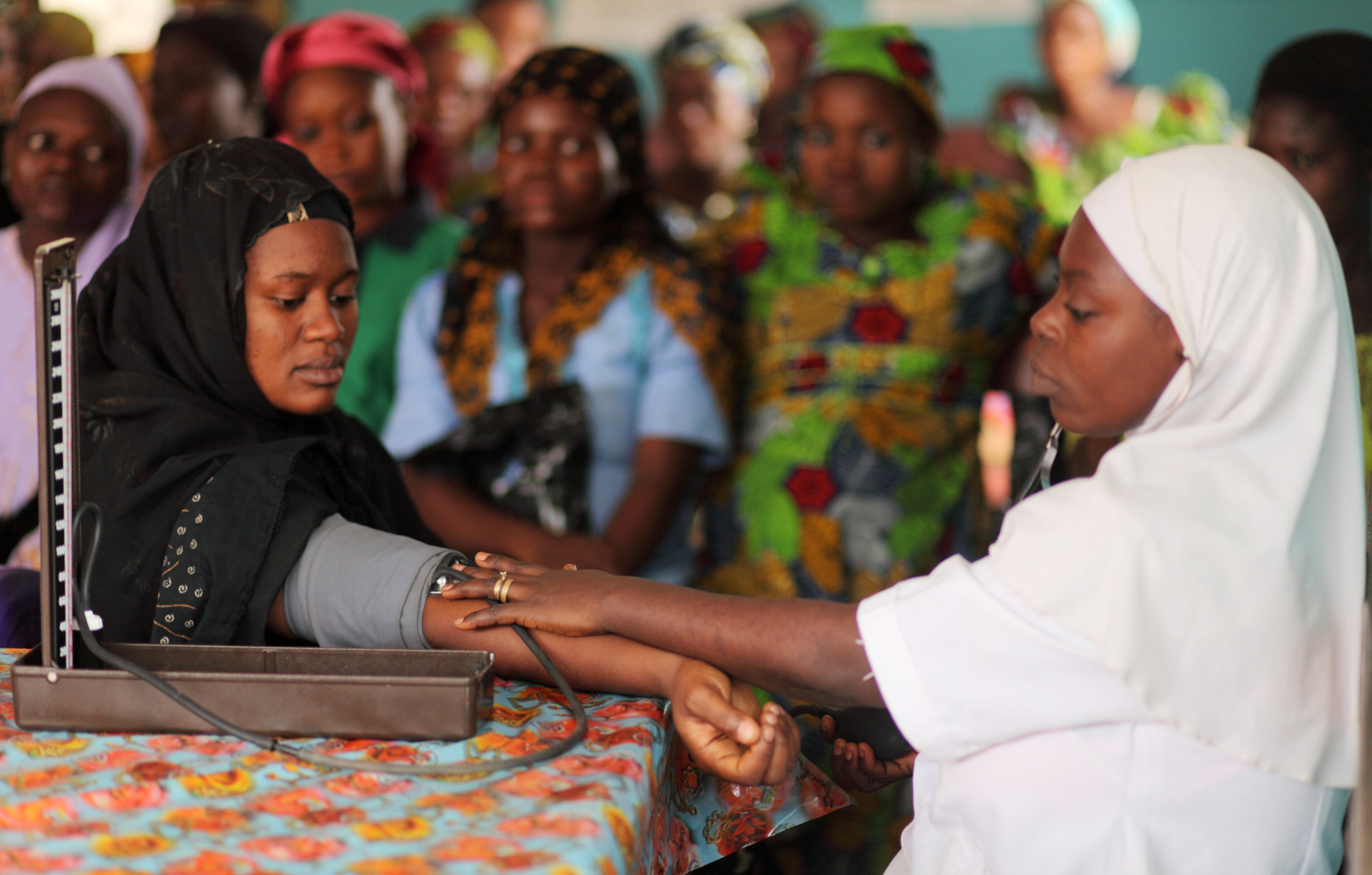
Currently, we are partnering with She Forum Africa, a homegrown Pan-African Women Development Leadership Organization, and the Nigeria Ministry of Women Affairs to improve women and girls’ agency in making key decisions about their health and their lives. We are also working with the Borno state government to improve women’s access to reproductive, maternal, newborn, and child health care that includes services for prevention of malaria—still a number one killer of children around the world—and leveraging antenatal care visits for integrated services.
These are just some examples of Pathfinder’s work toward gender-equitable UHC. All the work we do, everywhere, supports every person, including every woman and girl, to exercise their right to health and agency over their own lives.