Download
English:
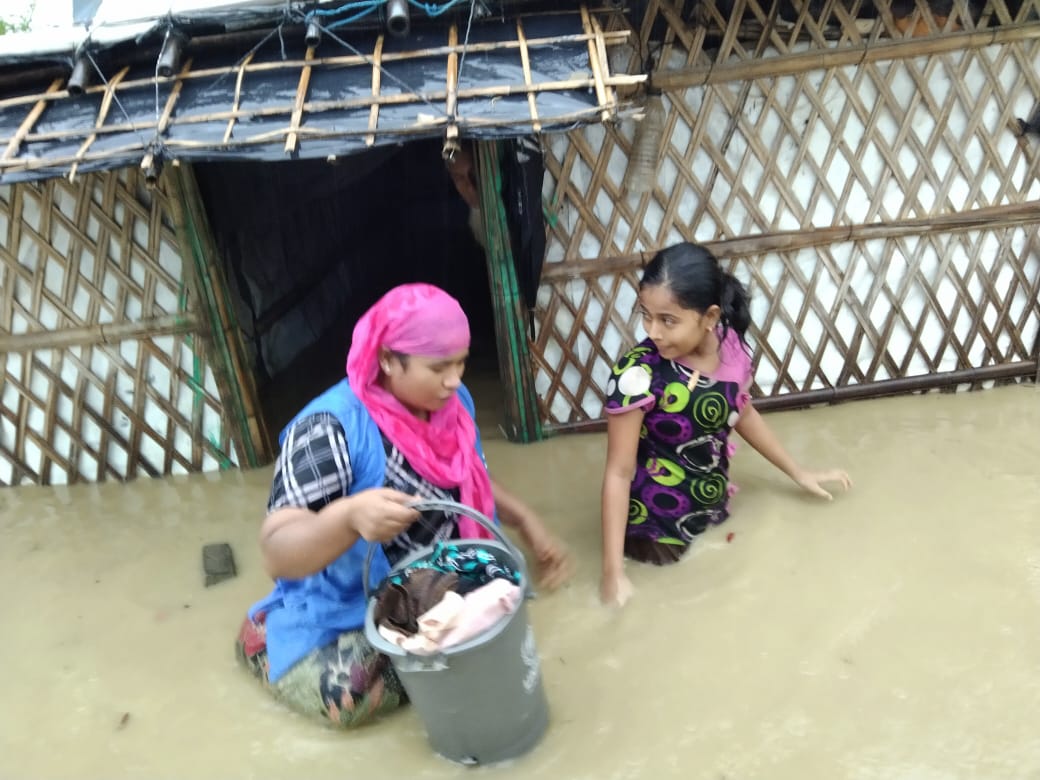
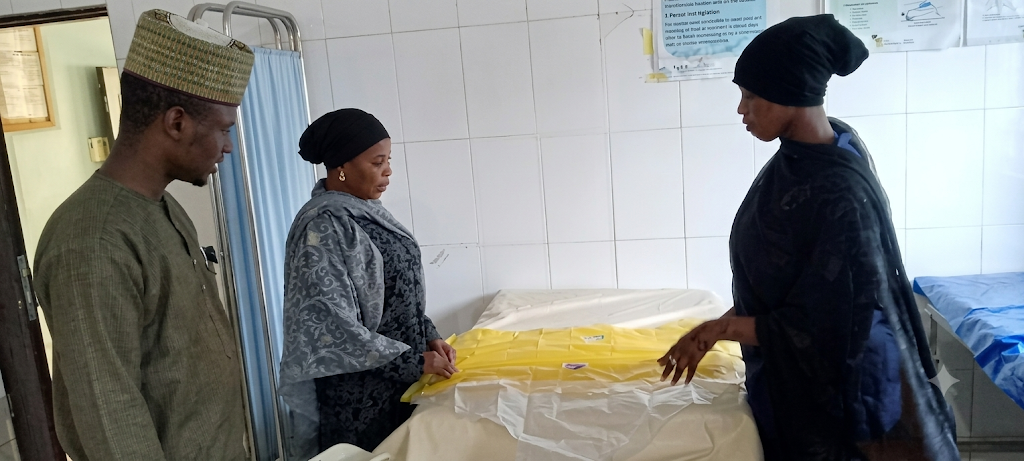
DownloadClimate change is no longer a distant environmental concern. It is reshaping the world in which we deliver health services. Health facilities are experiencing more frequent and intense heatwaves, floods, droughts, storms, and water shortages. These hazards weaken the ability of clinics to provide safe, uninterrupted, and quality care, especially for women, newborns, children, and adolescents. When electricity fails during extreme weather, essential services such as vaccine cold chains, surgical lighting, and diagnostic equipment fail. When water becomes contaminated or unavailable, infection prevention and control break down. When floods cut off roads, supplies cannot reach the facility, and patients cannot access care. These disruptions are especially dangerous for reproductive, maternal, newborn, child, and adolescent health services.
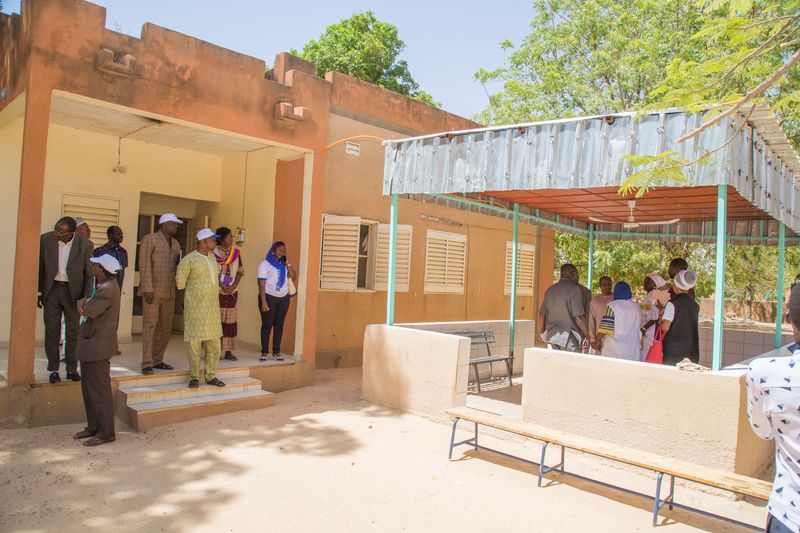
There is no single global definition of a Green Clinic. At Pathfinder, we use the term to describe health facilities where infrastructure, services, and operations are climate-resilient, environmentally sustainable, and provide inclusive health services, including sexual and reproductive health services. Green clinics are designed to continue serving clients safely, even during climate shocks, while reducing their environmental impact. Green clinics are not just about installing solar panels or rainwater harvesting tanks. They represent a whole-facility transformation: how buildings are designed, how staff are trained, how communities are engaged, and how care is delivered. They blend innovative solutions with proven practices to meet the specific climate and health needs of each location. When describing a facility as a “green clinic” in arid settings, teams should name heat and water scarcity, not only flooding, as primary hazards in facility documentation and donor reporting.
This guideline is intended for Pathfinder country teams interested in designing, implementing, and monitoring green clinic programming. It translates global standards and Pathfinder’s field experience into practical, actionable guidance that can be adapted to different country contexts.