A Reproductive health leadership journey by Ritah Waddimba Nakigudde
As part of Pathfinder’s series on Women in Leadership, we are sharing first-hand stories and interviews with Pathfinder leaders across the globe. Ritah Nakigudde is the Senior Technical Director and Deputy Chief of Party for the Pathfinder International-led USAID/Uganda Family Planning Activity (FPA). Dr. Nakigudde is a public health management specialist based in Kampala.
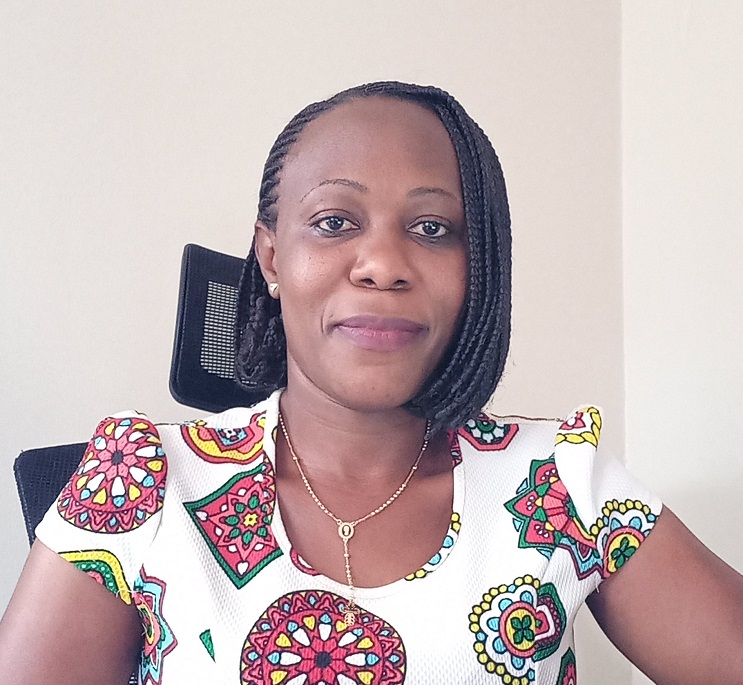
I love my job; it challenges me, teaches me, and gives me the opportunity to influence and improve my country.
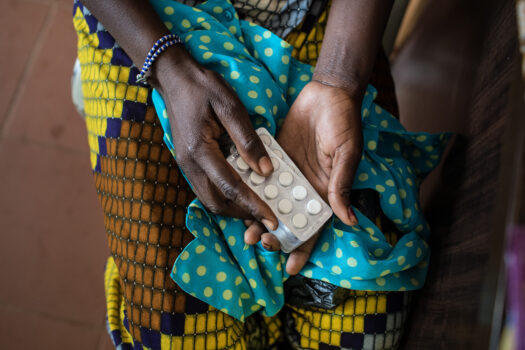
What I really love about my work leading the USAID/Family Planning Activity (FPA) in Uganda is my ability to shape my government’s and local stakeholders’ understanding and interventions towards creating an environment for women, girls and vulnerable populations where they can make healthy reproductive choices – ones that they own.
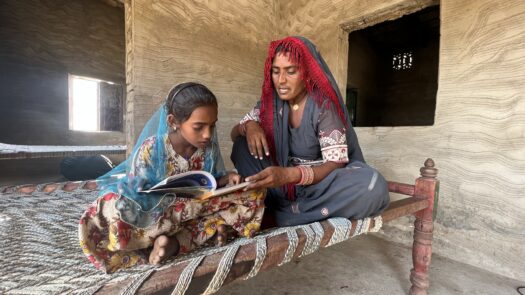
The goal of the USAID/FPA is to address underlying social, cultural, and structural barriers to family planning access, particularly among adolescents, youth, first-time parents, and low-parity women in 11 districts across Uganda.
For me, a typical day starts with catching up with colleagues on their work and priorities for the day. I use this information to understand how the various elements of our project are coordinating with each other – these include direct service delivery, logistics and supply chain, social and behavior change programs, partnerships, youth mobilization, and advocacy.
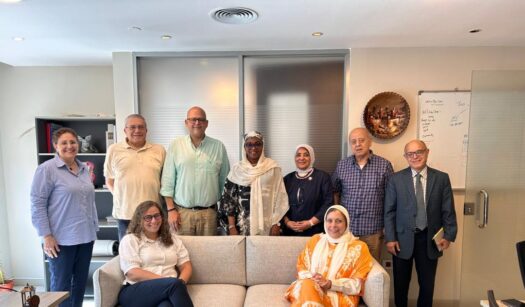
On average, I spend more than half of my day engaging with partners, the Ugandan Ministry of Health, implementers, bilateral agencies (like USAID) and multilateral agencies (like UNFPA), and technical working groups that focus on family planning and maternal and child health. I use every opportunity available to promote sexual and reproductive health for the most vulnerable, while promoting USAID’s and Pathfinder’s priorities to remove barriers to sexual reproductive health services and expand access where the need is most urgent.
Uganda Reproductive Health Statistics
- At 3%, Uganda’s annual population growth rate is among the highest in the world
- 28% of women in Uganda have an unmet need for family planning, and only 35% of married women use contraception.
- The main drivers of adolescent pregnancy, child marriage, and high fertility in Uganda are the influence of religion and parenting, and lack of quality family planning services.
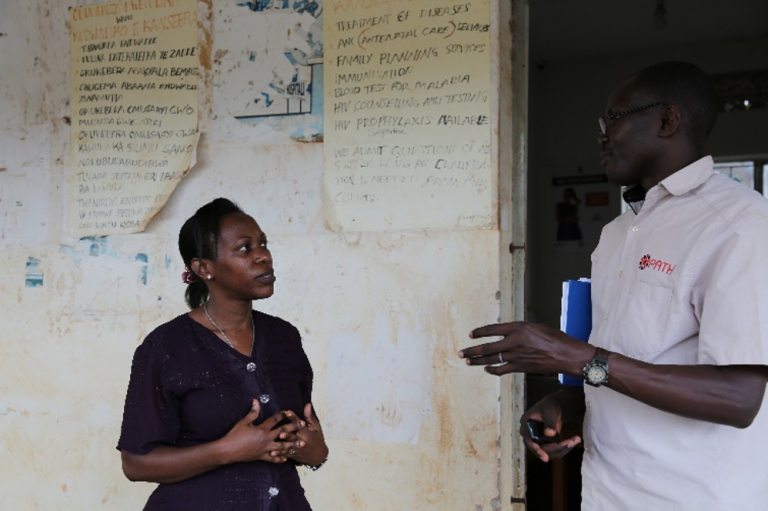
Over the course of my professional life, I’ve had the opportunity to work within the Ugandan health sector, as well as with bilateral agencies, like USAID. My career in public health grew while working for Mildmay Uganda as a Medical Officer and Manager for Clinical Services. From there, my passion for ensuring vulnerable populations, especially women and girls, have access to the care they want and need, expanded.
Driven by the need to support women to overcome the intrinsic social and cultural barriers to reproductive health, I’ve supported HIV/AIDs prevention, care and treatment programming including elimination of mother-to-child transmission of HIV, and led large-scale family planning programs funding by multiple donor agencies.
Another key part of this work is collaboration with local, national, and implementing stakeholders on use of evidence-based approaches to reach marginalized groups, such as young people, vulnerable women, those living with disabilities, and those in hard-to-reach areas with family planning. With nearly half of adolescent pregnancies in low- and middle-income countries being unintended and more than half of these ending in abortion1, and consequently leading to maternal deaths, this is a priority now more than ever for both Pathfinder, USAID/Uganda FPA, and myself.
More needs to be done to protect adolescent girls and young women. That’s why I honor the theme for this year’s International Women’s Day – “Women in leadership: Achieving an equal future in a COVID-19 world” – each and every day in my work. We not only celebrate the tremendous contributions of women and girls around the world, but use the opportunity to shape a more gender-equitable future and recovery from the COVID-19 pandemic in all spheres of life, including reproductive health.
I joined Pathfinder and FPA because I wanted to make a positive impact and improve the lives of those who need it most. I want the mark I leave behind to be one that continues to lift others up. When I first set out on my leadership journey in reproductive health, it was overwhelming, and I had to learn and adapt quickly. But what has been most memorable for me is seeing women and girls able to make their own choices as to whether, when, and how many children they should have. I know this would not be possible without USAID/Uganda FPA’s support.
I love my job; it challenges me, teaches me, and gives me the opportunity to influence and improve my country. With this experience, I keep telling myself that I am going to be a super Reproductive Health Leader!
References:
- Guttmacher, Induced Abortion Worldwide Fact Sheet
- World Bank. Uganda Country Overview. Retrieved on March 5, 2019
- Uganda Demographic and Health Survey, 2016
- Ramadhan, Kirunda, et.al. 2019. Exploring the Social Norms that Affect Demand For and Use of Modern Contraceptive Methods in Ugandan Communities. Advancing Partners and Communities.