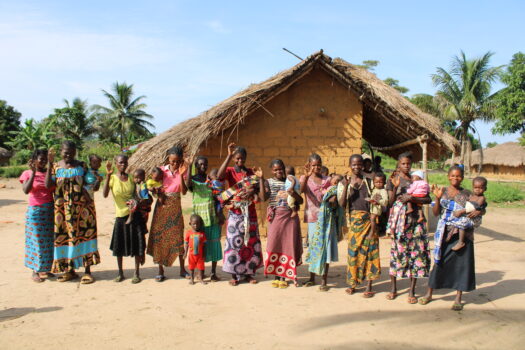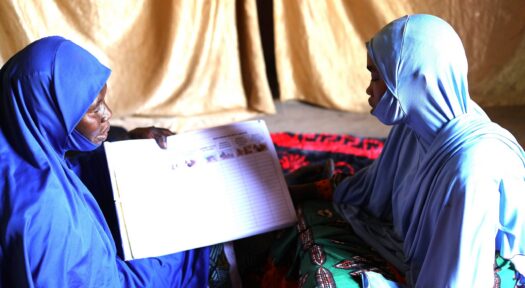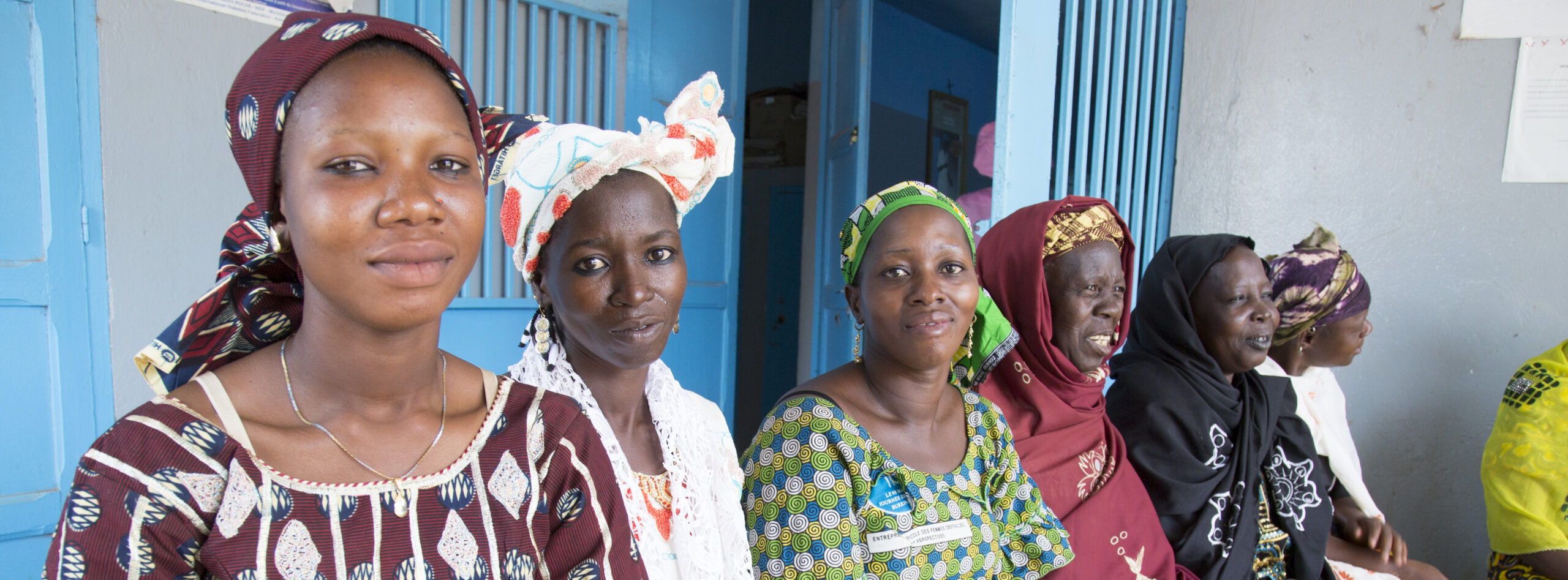
Local non-governmental organizations (NGOs) in Burkina Faso’s Centre Nord, Sahel, and Est regions have been critical to sustaining healthcare delivery during the security crisis.
Travel in and out of these regions has become increasingly restricted due to terrorist attacks. Many people have migrated to safer areas of the country, and the ones left behind have watched health facilities, schools, and other social support services offered by the local government cease operations. Many health facilities are closed or functioning at minimum, with limited services and hours of operation.1
The USAID/PREPARE-BURKINA project supports local organizations in delivering healthcare to communities in insecure areas and internally displaced persons (IDPs). These organizations include: Action Pour la Promotion des Initiatives Locales, Alliance Technique d’Assistance au Développement, Association pour la Gestion de l’Environnement et le Développement, and Association Tin Tua.
Partnering with local NGOs contributes to a continuous and sustainable supply of efficient healthcare services to those most in need (IDPs, women, children). It also makes it possible to find low-cost local solutions to local problems.
Actions plans for locally led service delivery
Following a baseline assessment, USAID/PREPARE-BURKINA and the NGOs worked together on action plans to strengthen service-delivery skills and operational capacities.
For example, the NGOs learned how to operate in a crisis setting with trainings on humanitarian principles; protection from and prevention of gender-based violence; and aspects of community resilience, empowerment, and resource mobilization.
Additionally, the NGOs mastered community-based approaches to service delivery that are integral for sustainability of healthcare in insecure settings. These include mechanisms to ensure the accountability of healthcare providers to the communities they serve and set up early warning committees for emergency situations. The NGOs can now establish community health clubs and organize community groups for monitoring infant and young child feeding practices that allow communities to take ownership of their health.
The action plans are updated annually based on progress and remaining gaps.
Contributions from the leadership of local NGOs
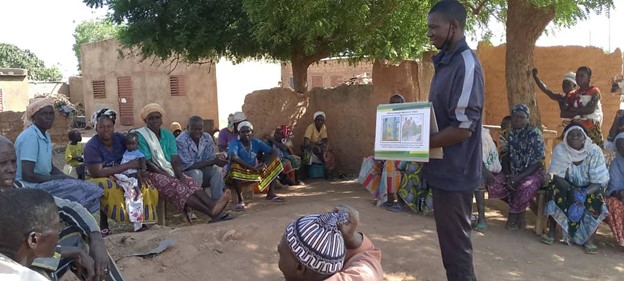
The four organizations play a key role in health education and connecting communities to health services. For example, they connect pregnant women with village birth attendants who can help them to safely deliver their babies in the absence of an open health facility nearby.
From October 2022 to September 2023, the four organizations:
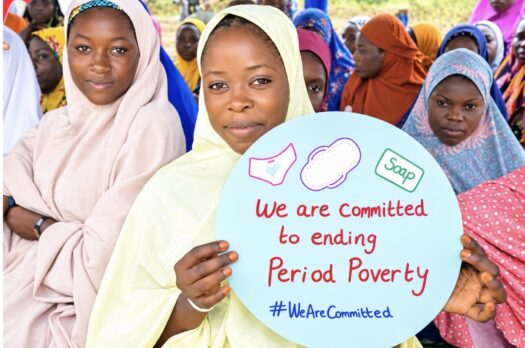
- Held educational health talks reaching more than 64,091 people, the majority of which were women and girls.
- Contributed to 1,176,923 children younger than five receiving nutrition services through community mobilization and referral to community health workers.
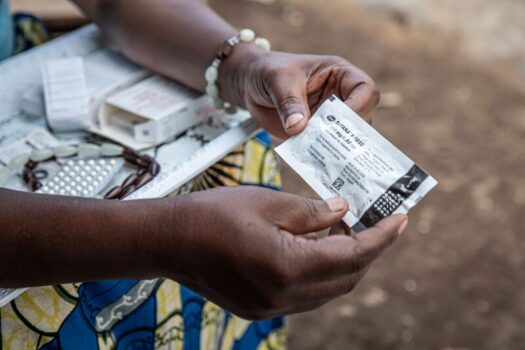
- Contributed to more than 39,000 instances of first-time contraception use with the support of local partners Association Burkinabe pour le Bien Etre Familial and Marie Stopes International Burkina.
USAID/PREPARE-BURKINA has also strengthened the operational capacities of all four organizations, rendering them more sustainable. This includes advisory support to project activities, developing annual work plans as well as monitoring and evaluation tools.
“With the support received, virtually every part of our structure has been strengthened. ATAD [Alliance Technique d’Assistance au Développement] now has sufficient skills and capacities—programmatic, project planning and management, MEL [monitoring, evaluation, and learning], administrative and financial, logistics, resource mobilization—to develop and implement health projects. ATAD can now easily apply for calls for proposals to offer health services at community level and community resilience to continue serving communities,” said Eloi Ouedraogo, ATAD’s Project Manager.
Health system resilience during crises
To deliver optimal results, local organizations need to be connected to a strong and resilient health system offering adequate support and linkages to health facilities for clinical care. Displacements, health facility closures, an inability to collect quality data, and shortages in medicines and supplies all continue to hamper healthcare delivery in the regions supported by USAID/PREPARE-BURKINA.
Despite challenges and an extremely fragile setting, USAID/PREPARE-BURKINA continues to improve health outcomes, particularly among women and children, through its partnership with local NGOs. These NGOs are now more resilient and better equipped to sustain and grow their service-delivery support into the future.
USAID/PREPARE-BURKINA, led by Pathfinder International, strengthens the delivery of quality family planning; reproductive health; maternal, newborn, and child health; nutrition; and water, sanitation, and hygiene services in three regions of Burkina Faso (Centre Nord, Sahel, and Est). This project supports marginalized and vulnerable communities to become more resilient, including women and young people who face chronic poverty, illiteracy, water scarcity, and under/unemployment.
1 USAID/PREPARE-BURKINA had planned to expand its support to 222 health facilities by 2025. Because of ongoing security concerns, however, the project had continued to support only 160 health facilities. The number of health facilities closed changes from one week to the next depending on the nature of the security situation. Currently the project covers 98 health facilities out of the 160 that were supposed to be covered.