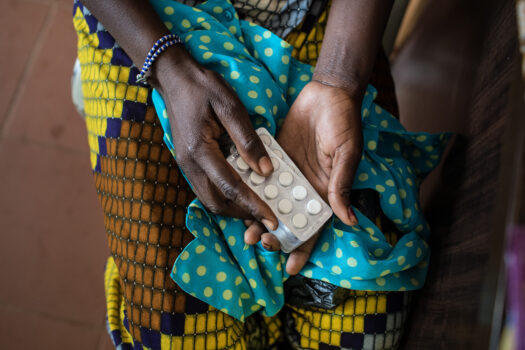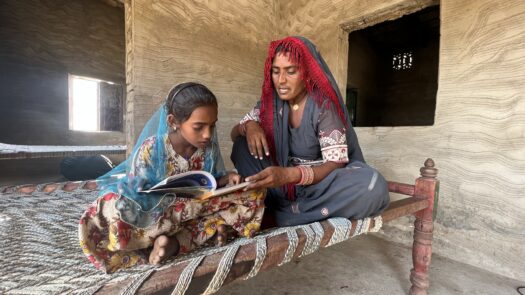
What falls through the cracks in already over-burdened health systems? And in conflict settings, who is most affected?
COVID-19 has sparked a renewed focus on health and health systems and continues to be a priority for most countries—but as resources shift to accommodate the pandemic response, barriers to accessing sexual and reproductive health (SRH) become increasingly difficult to address.
This is particularly true in vulnerable, conflict-affected regions, where women and girls must often contend with cultural taboos around seeking SRH care in addition to the ongoing constraints of the pandemic and lockdown, lack of human and financial resources, gaps in data availability, and inadequate health systems.
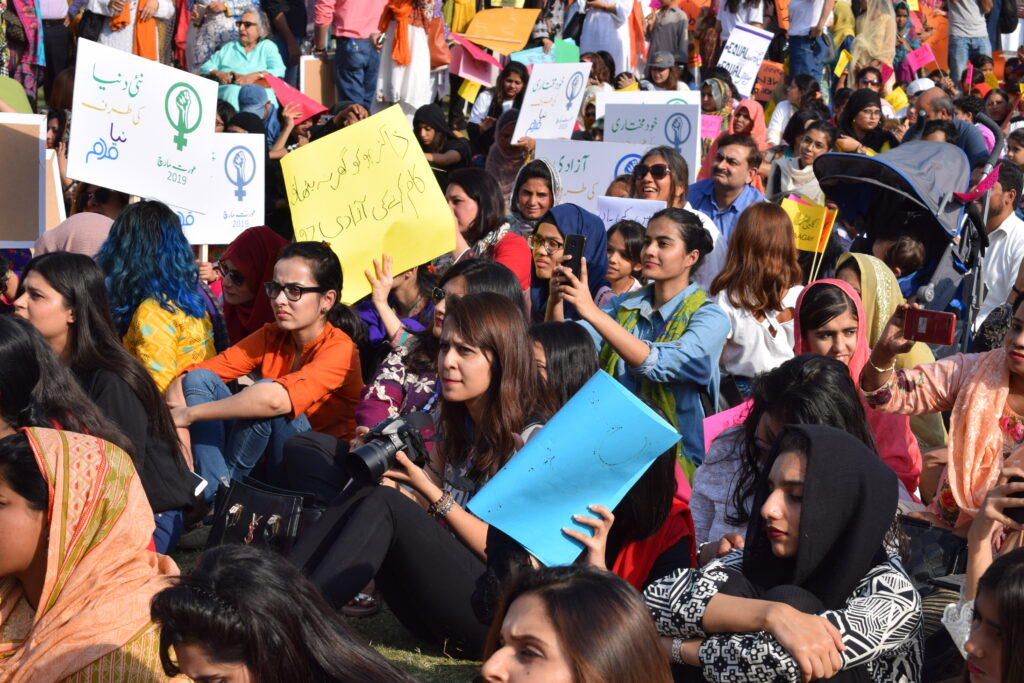
We’ve seen evidence of COVID-19’s impact on these existing barriers in two key areas:
- Gender-based violence has increased across the globe, widening the gender gap and posing major threats to accessing SRH services.
- Young people in conflict settings are further marginalized in the delivery of SRH services—there is lack of clarity on performance with respect to SRH outcomes for young people.
VISION 2030: PAVING THE WAY TO A PREVENTIVE APPROACH
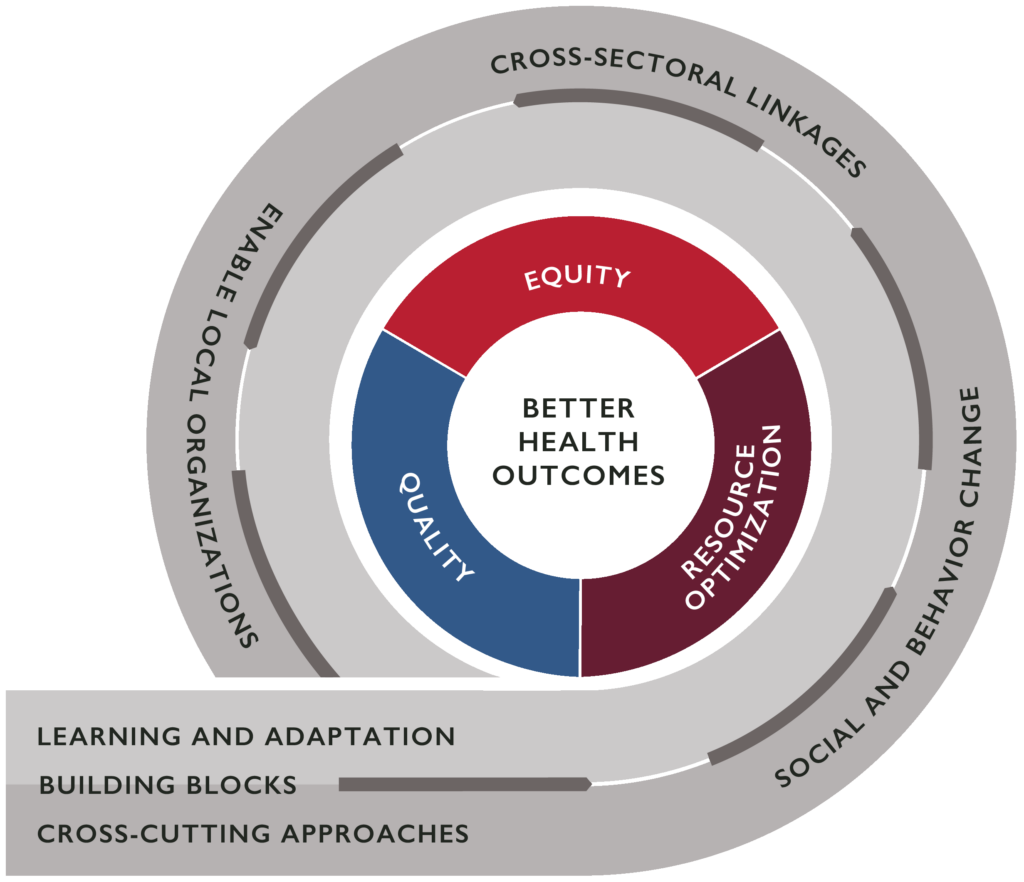
Given the numerous challenges associated with the COVID-19 pandemic, building resilient health systems is more crucial now than ever before. This is where USAID’s Vision 2030 for Health Systems Strengthening comes into play—through strengthening the individual building blocks of health systems, we, as program implementers, are able to focus on the outcome goals of equity, quality, and resource optimization. And by working backwards from desired outcomes, we can lay the groundwork for a preventive, rather than reactive, approach—to ensure that all health systems are equipped with the tools they need to address both emergency and routine health needs alike.
BUILDING A HOLISTIC SRH STRATEGY
USAID’s Vision 2030 is especially relevant to Pathfinder’s work in conflict-affected regions. Take, for instance, the state of SRH in Pakistan, a country involved in decades of territorial disputes—resulting high maternal mortality ratios, teenage pregnancies, and unmet need for contraception. For Pakistan, being responsive and resilient to shocks, rather than designing interventions in response to these shocks, is critical.
Building resilience offers a holistic SRH strategy that addresses both the supply side and demand side simultaneously. This creates preparedness, awareness, and acceptance among communities for SRH initiatives while strengthening health system frameworks at the policy level—which can be packaged into multi-stakeholder, outcomes-driven actions for sustained improvement in equity, quality, and resource optimization.
SPOTLIGHT ON NAYA QADAM
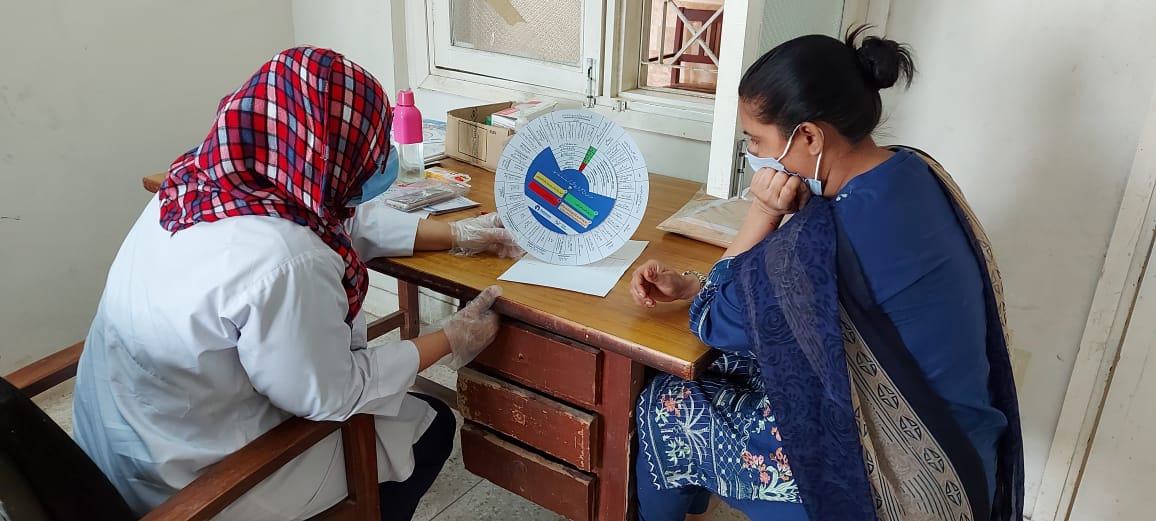
Since 2017, Pathfinder International’s Naya Qadam project, has worked to resolve misconceptions and fears about contraceptive use, train health care providers to offer a full range of contraceptive methods, and advocate alongside policymakers to strengthen Pakistan’s health system.
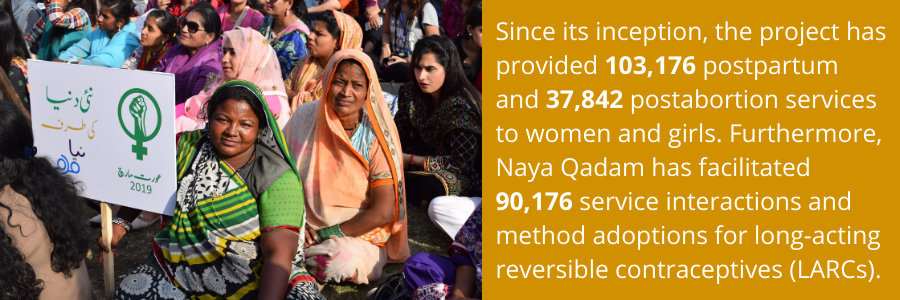
The project also introduced gender and AYSRH training modules for providers, gender-transformative approaches in community engagement, and gender and youth considerations in all policy work. In addition to Naya Qadam’s numerous policy gains, the project successfully advocated for the inclusion of age-disaggregated indictors in DHIS for postpartum and postabortion family planning and LARC removal.
Over the course of the pandemic, Naya Qadam has implemented family planning initiatives and conducted virtual training programs for frontline health workers in the regions most affected by the compounded burdens of COVID-19 and conflict—and it didn’t stop there. Naya Qadam also developed a comprehensive COVID-19 response strategy by ensuring support for family planning at the policy level, developing a digital communications campaign, providing digital mentorship to providers, and engaging with communities online to offer continued SRH care.
Lessons learned from Naya Qadam’s pandemic response include:
- Responding to emergencies requires spontaneity and innovation.
- Building strong, resilient health systems and communities that adapt to and participate in interventions is essential to achieving SRH goals.
- Multi-stakeholder partnerships are key for implementing an outcome-driven strategy.
Naya Qadam was able to leverage community and health system resilience to address gaps in SRH care caused by COVID-19—through prioritizing equity, quality, and resource optimization, as outlined in USAID’s Vision 2030. And we believe that this approach can be used to help more people in more parts of the world access the SRH care they need. Now is the time to build integrated solutions, especially for vulnerable and displaced populations in conflict-affected areas.