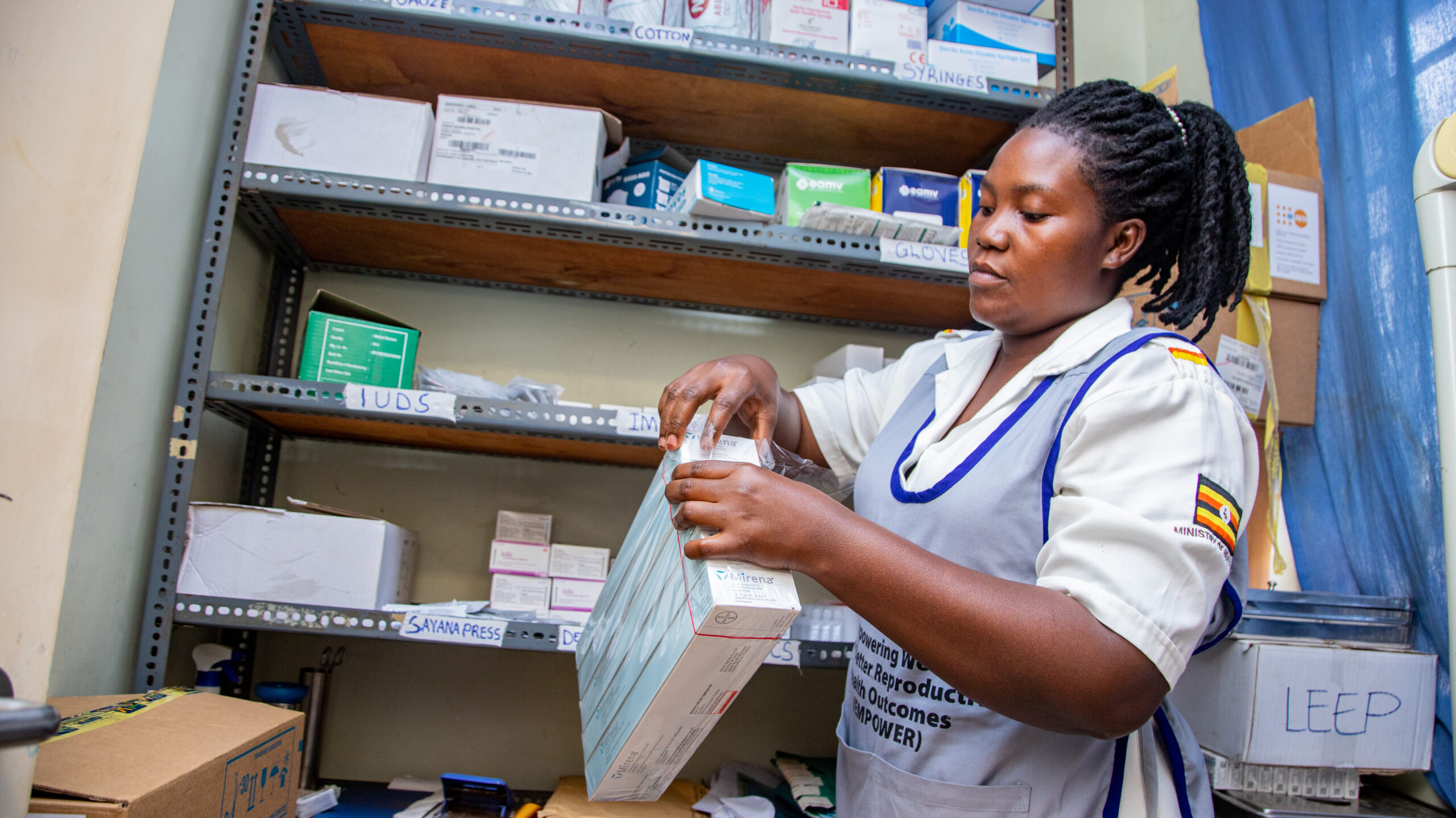
Gender dimensions must be systematically considered and addressed in family planning (FP) programs as improving women’s reproductive health is more complex than just making family planning services more accessible. A holistic approach is required to address the underlying factors as women and men make choices within the context of their homes and communities where gender roles, responsibilities, and status are defined.
What We’re Reading (and Listening to): Country-Led Action in Practice
We’re taking a break from our typical newsletter articles to bring you a curated roundup of recent reads, podcast episodes, and insights about our favorite topic—country-led action and how international aid can…
Yuvakaars: Pathfinder India’s Scalable Social Entrepreneurship Model for Rural Health Care
Through Pathfinder India’s innovative social entrepreneurship model in rural India, young couples delivered quality health products and services to underserved and…
Delivering Context-Specific Maternal Health Solutions in Fragile and Insecure Settings
When a woman dies from preventable complications during childbirth, it signals a systemic failure. In fragile and conflict-affected settings, these vulnerabilities…