Funder
Gates Foundation
Partner
Consortium of partners, led by PSI
Project Goals
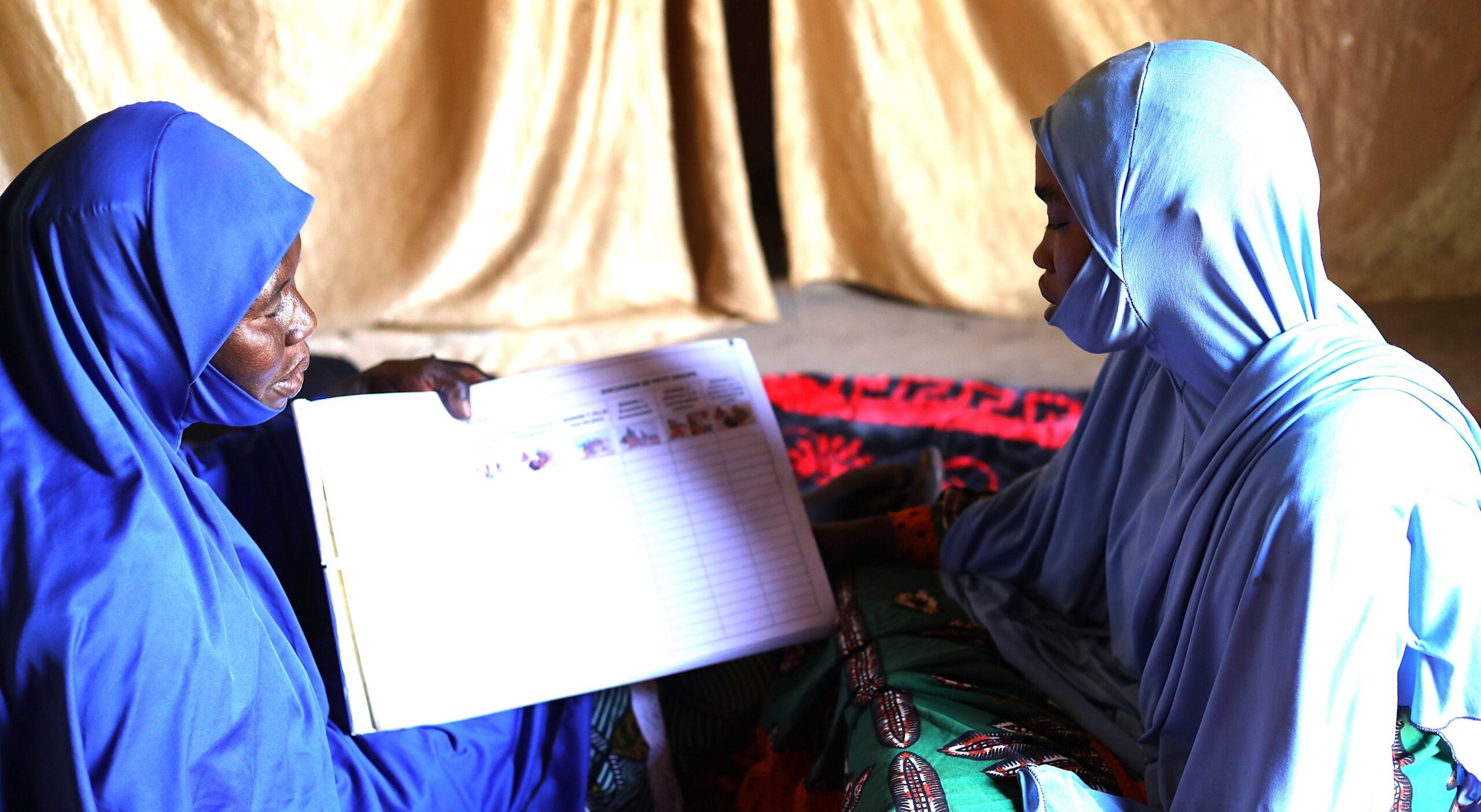
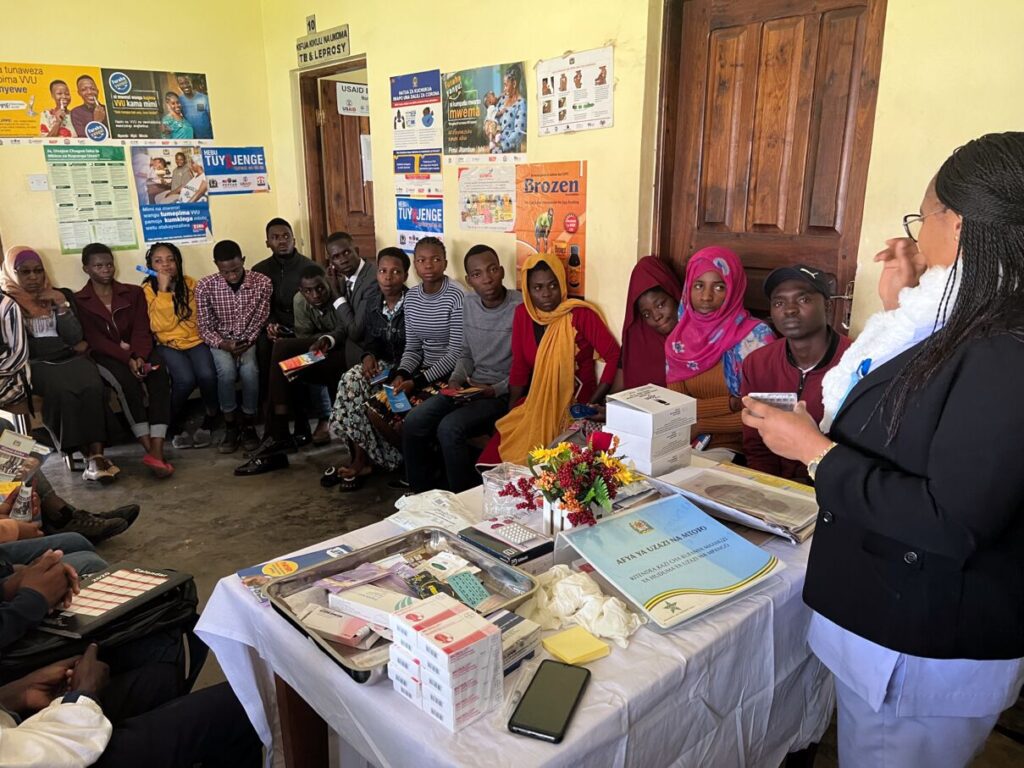
Strengthen providers’ skills to support clients with self-injection in the 14 Health Zones.
Increase demand for and adoption of self-injection by raising community awareness and building clients’ capacity.
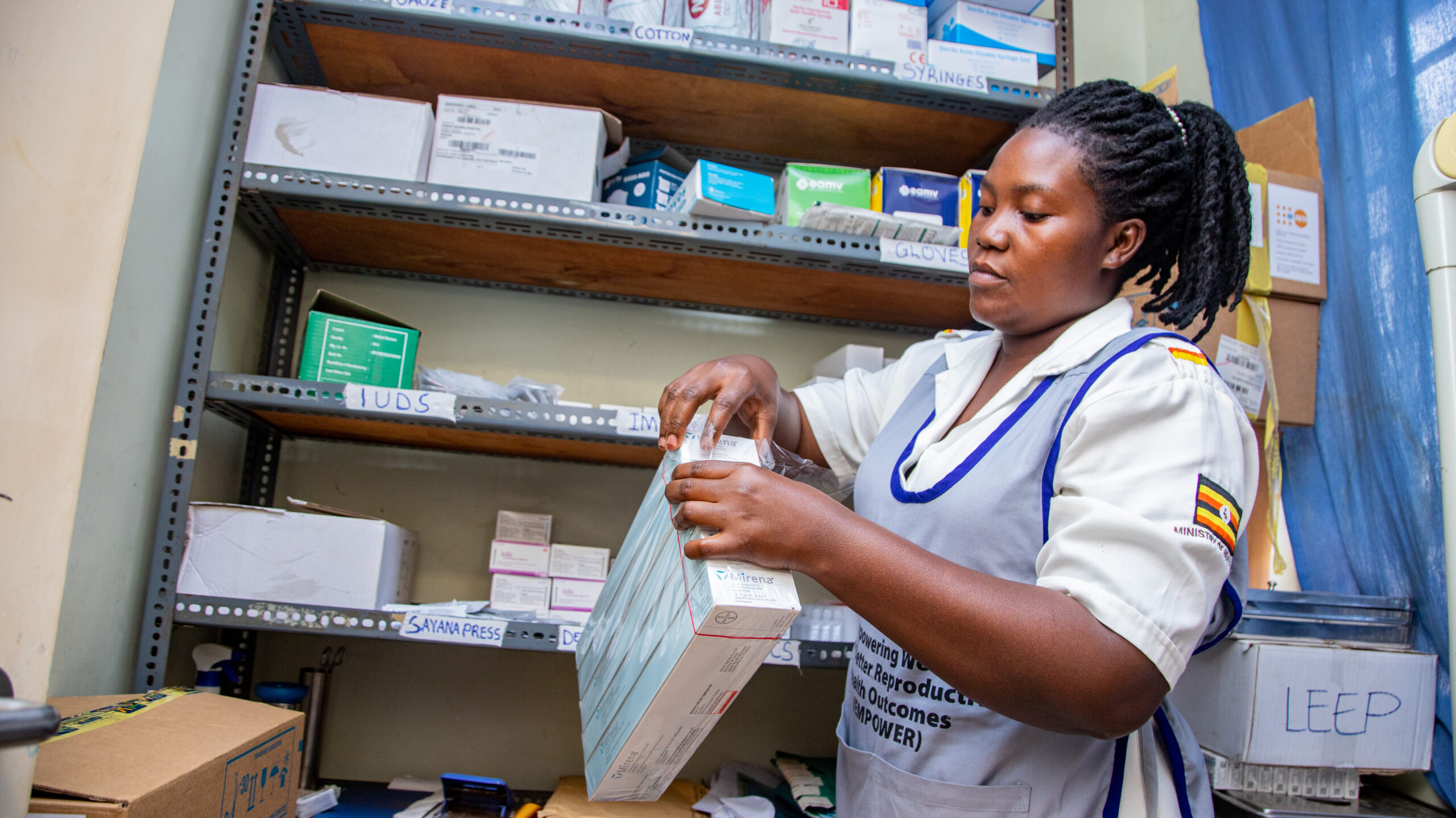
Improve the health system’s capacity to support self-injection (data, monitoring, contraceptive supply chain).
Support the national rollout of DMPA-SC, including training in self-injection, by building on lessons learned from the DISC project.
Overview
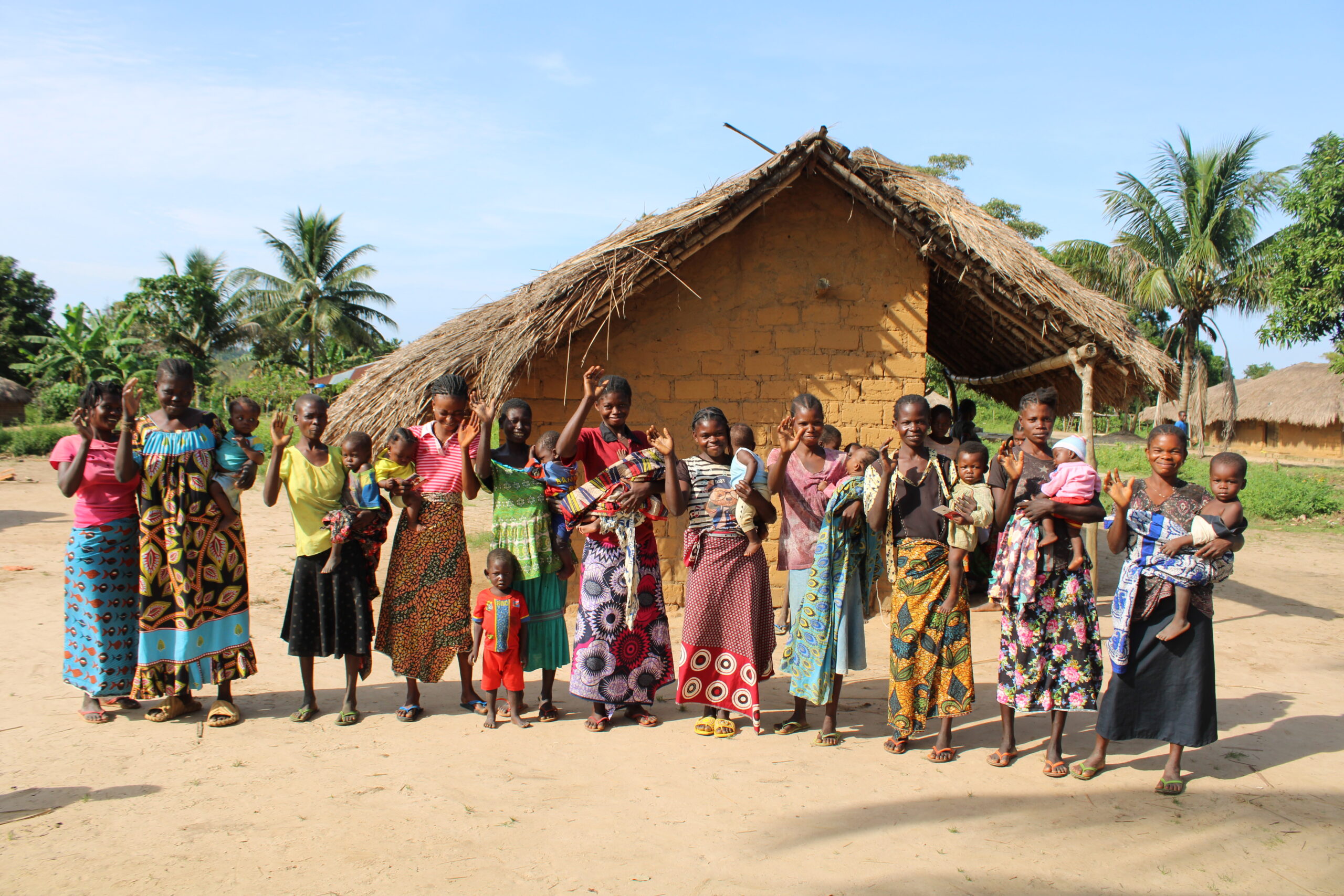
In the Democratic Republic of the Congo (DRC), more women are striving to shape their futures: pursuing education, running businesses, and supporting their families. However, for many, something as fundamental as accessing family planning remains out of reach. Long distances to health facilities, transport costs, stockouts, and time constraints force women to delay or miss contraceptive appointments. For others, concerns about privacy or provider bias further discourage regular visits. These barriers disrupt consistent contraceptive use, increasing the risk of unintended pregnancies that can affect women’s health, economic stability, and life aspirations.
Expanding access to convenient, reliable family planning is therefore not just a health priority; it is central to women’s empowerment and broader development in the DRC.
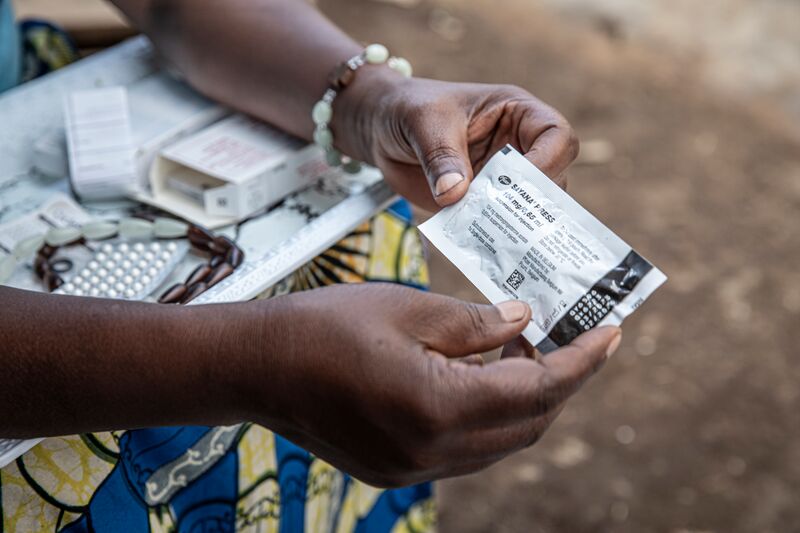
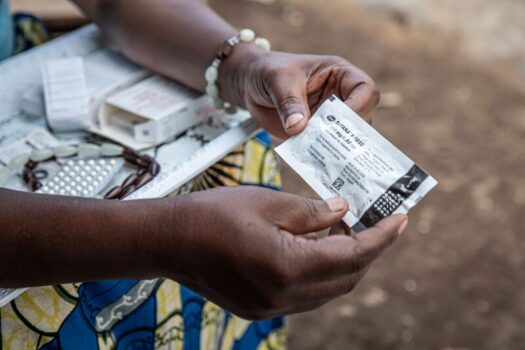
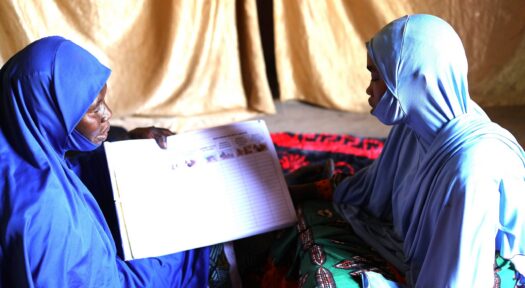
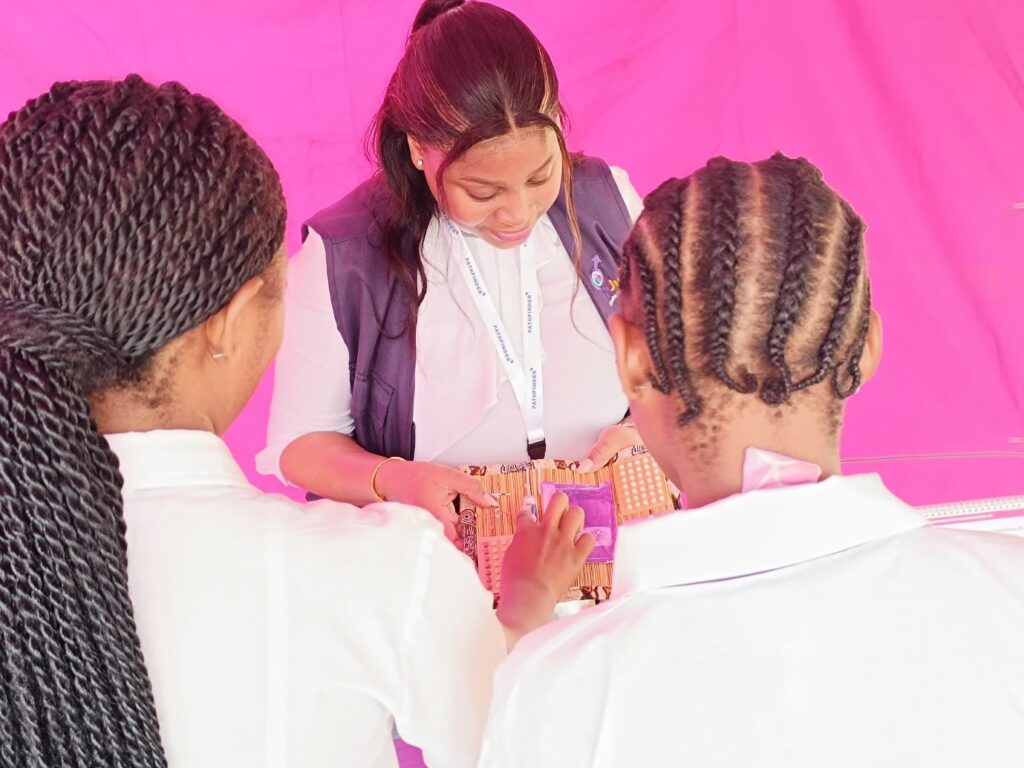
The self-injectable contraceptive is transforming what access can look like. By enabling women to administer the method themselves, when and where it suits them, self-injection removes many of the structural barriers that have historically limited uptake and continuation of contraception.
Women trained in self-injection can take home up to three doses at a time which gives them up to one year of protection against unintended pregnancy from a single clinic visit. This approach does more than reduce missed appointments. It gives women greater privacy, autonomy, and control over their reproductive choices, especially for those whose work, travel, or household responsibilities make frequent facility visits difficult.
At the same time, self-injection strengthens the health system. By reducing repeat visits for routine injections, it eases pressure on overstretched facilities, shortens waiting times, and allows health providers to focus on other critical services. In resource-constrained settings, these efficiency gains are significant.
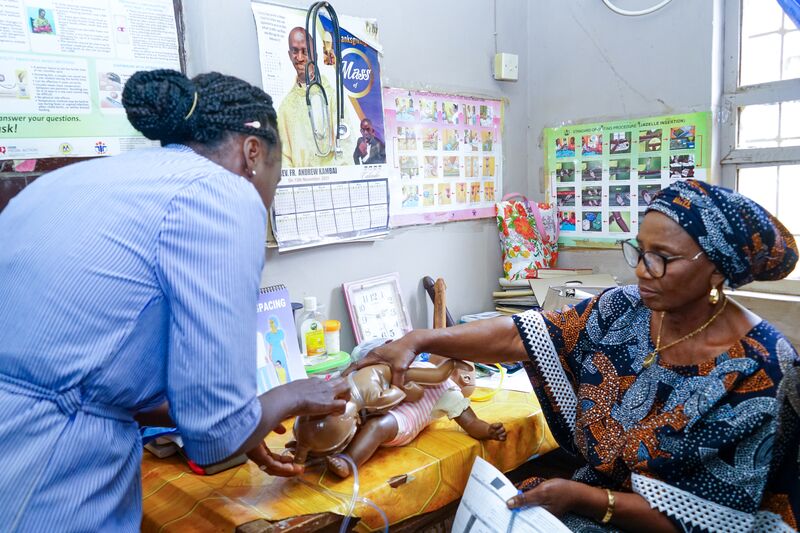
Through a multi-partner initiative led by Population Services International (PSI) and currently implemented across nine countries, Pathfinder International is supporting the scale-up of self-injectable DMPA-SC across the DRC. The Delivering Innovation in Self-Care (DISC) project is supporting the government of the DRC to scale up self-injection across 401 health facilities in 14 health zones in Kwilu and Kassaï provinces.
For more information about DISC, please visit: https://www.psi.org/disc/home/.