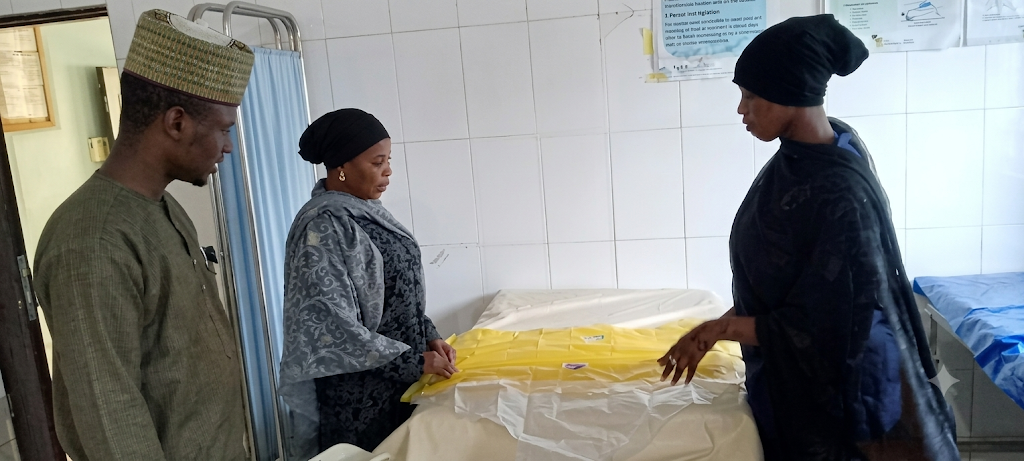
In northern Nigeria, low contraceptive use and poor maternal health outcomes are largely driven by male disengagement, entrenched sociocultural norms, and widespread religious misinterpretations about FP. Because men are primary household decision makers, overcoming these barriers requires moving beyond women-only clinical models toward integrated, faith-anchored, and couple-centered care.
Building on empirical findings from Surgo Health and behavioral segmentation analysis by the University of California San Diego, Engaging Men and Boys in Nigeria strengthens women’s access to and use of modern contraception in Nasarawa and Niger States, establishing a model with potential to scale to other northern Nigerian states. The project focuses on men who are not opposed to FP, but hesitate to show support due to perceived social expectations, peer norms, and lack of clear pathways to act.
While expanding access to FP services via tailored male engagement strategies, the project remains committed to principles of bodily autonomy, voluntarism, and informed choice. Engaging Men and Boys recognizes that male-focused approaches can be a supportive framework for couples’ joint decision-making but can never be used to override a woman’s right to make decisions about her own body and fertility preferences.